Are you struggling with a car that won’t start or runs rough? The problem might be your spark plugs.
Knowing how to repair a spark plug can save you time, money, and frustration. In this guide, you’ll learn simple steps to fix your spark plug quickly and get your engine back to smooth running. Whether you’re a beginner or just want to understand your vehicle better, this article will give you clear, easy-to-follow tips.
Keep reading, and you’ll be ready to tackle spark plug issues like a pro.
Tools Needed
Repairing a spark plug needs the right tools. Having these tools makes the job easier and faster. Using proper tools helps avoid damage to the spark plug or engine parts.
Gather tools that fit your spark plug size and engine type. A clean and organized workspace helps keep tools handy and prevents loss.
Essential Repair Tools
- Spark plug socket wrench – fits snugly around the plug
- Ratchet handle – for turning the socket wrench smoothly
- Extension bar – reaches deep spark plugs in the engine
- Gap gauge – measures and adjusts the spark plug gap
- Wire brush or spark plug cleaner – removes dirt and carbon buildup
- Feeler gauge – checks the electrode gap precisely
- Torque wrench – tightens the spark plug to the right level
- Compressed air canister – clears debris around the spark plug area
Safety Equipment
- Safety goggles – protect your eyes from dust and sparks
- Mechanic gloves – guard your hands from cuts and burns
- Long sleeves – shield your arms from dirt and hot parts
- Work boots – provide firm footing and protect feet
- Fire extinguisher – keeps you ready for unexpected fires
Credit: www.classicbritishspares.com
Identifying Spark Plug Issues
Knowing how to identify spark plug issues early can save you time and money on repairs. Spark plugs play a crucial role in your engine’s performance, so spotting problems quickly helps avoid bigger mechanical failures. Let’s look at what signs indicate a faulty spark plug and what usually causes the damage.
Signs Of A Faulty Spark Plug
Does your engine hesitate or misfire when you accelerate? That’s often a clear sign of spark plug trouble. You might also notice:
- Difficulty starting the engine or longer cranking times.
- Rough idling or vibrations when the vehicle is stationary.
- Decreased fuel efficiency, meaning you’re filling up more often.
- Increased exhaust emissions or a noticeable drop in power.
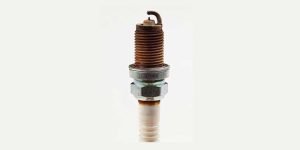
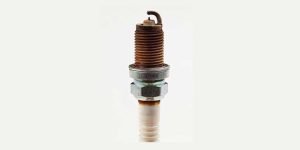
- Visible damage on the spark plug, such as worn electrodes or heavy soot.
Have you checked your spark plugs after experiencing any of these? Sometimes, a quick visual inspection can reveal cracks, corrosion, or carbon buildup that signal the plug is failing.
Common Causes Of Damage
Understanding what causes spark plugs to fail can help you avoid repeating the same mistakes. Overheating is a frequent culprit, often due to incorrect heat range plugs or engine timing issues.
Other causes include:
- Oil or fuel contamination from leaking seals or excessive fuel mixture.
- Physical damage from improper installation or debris inside the combustion chamber.
- Using low-quality or incompatible spark plugs that wear out quickly.
- Neglecting routine maintenance, which lets deposits build up and degrade performance.
Think about your last tune-up—did you inspect the plugs or just replace them? Spotting these causes early can help you choose the right repair approach and extend your spark plugs’ life.
Removing The Spark Plug
Removing the spark plug is a key step in repairing or inspecting it. You need to handle this part carefully to avoid damaging the engine or the plug itself. Understanding how to prepare your engine and use safe techniques can save you time and frustration.
Preparing The Engine
Before you touch the spark plug, make sure the engine is completely cool. Hot engines can cause burns and make the plug harder to remove.
Disconnect the battery to prevent any accidental electrical shocks. This simple step protects both you and the engine’s electrical system.
Clean the area around the spark plug with a brush or compressed air. Dirt or debris can fall into the cylinder once the plug is removed, causing engine problems.
Safe Removal Techniques
Use the correct spark plug socket with a rubber insert. This helps grip the plug without damaging its ceramic insulator.
Loosen the spark plug by turning it counterclockwise. If it feels stuck, apply a small amount of penetrating oil and wait 10-15 minutes before trying again.
Turn slowly and steadily—rushing can strip the threads or break the plug inside the engine. Have you ever struggled with a stuck spark plug? Taking your time here will prevent costly repairs later.
Cleaning The Spark Plug
Cleaning the spark plug is a key step in repairing it. Dirt, oil, and carbon deposits can reduce its performance. A clean spark plug helps the engine run smoothly. Use the right tools and cleaners to avoid damage. Proper cleaning can extend the spark plug’s life and improve engine efficiency.
Using A Wire Brush
A wire brush removes carbon and dirt from the spark plug’s surface. Hold the spark plug firmly to avoid slipping. Brush the metal parts gently but thoroughly. Focus on the electrode and threads where buildup is common. Avoid using too much force to prevent damage. Clean until the metal looks shiny and free of deposits.
Applying Spark Plug Cleaner
Spark plug cleaner sprays dissolve stubborn deposits quickly. Spray the cleaner on the electrode and insulator. Let it sit for a few minutes to break down grime. Use a clean cloth or brush to wipe off loosened dirt. Repeat if necessary for very dirty plugs. Always work in a well-ventilated area for safety.
Checking And Adjusting The Gap
Checking and adjusting the gap on a spark plug is a small task that can make a big difference in your engine’s performance. The gap is the space between the center and side electrodes, and its size affects how the spark ignites the fuel-air mixture. If the gap is too wide or too narrow, your engine might misfire, lose power, or run inefficiently.
Measuring The Gap
To measure the gap, you need a spark plug gap tool, which is a simple gauge available at most auto parts stores. Slide the tool between the electrodes to see the current gap size. It should match the specification found in your vehicle’s manual or on the spark plug packaging.
Don’t guess the measurement—precision matters here. A gap that looks close might still be off by a few thousandths of an inch, enough to cause engine problems. Have you ever noticed your car hesitating or struggling to start? This simple check might be the fix.
Correcting The Gap Size
If the gap is too wide, gently tap the side electrode against a hard surface or use the tool’s adjusting slot to bend it inward. If the gap is too narrow, carefully pry the electrode outward with the tool. Be patient and make small adjustments—overbending can damage the plug.
After each adjustment, measure the gap again to ensure accuracy. It’s a bit like tuning a stringed instrument: small changes can make a big difference. Taking your time here saves you from replacing the spark plug or facing engine troubles down the road.
Reinstalling The Spark Plug
Reinstalling the spark plug is a critical step in ensuring your engine runs smoothly after repair. Proper installation affects the engine’s performance and prevents damage to the cylinder head. Paying close attention to how you thread and torque the spark plug can save you from costly repairs later.
Proper Threading
Start by hand-threading the spark plug into the cylinder head. This helps avoid cross-threading, which can strip the threads and cause serious damage.
Gently rotate the spark plug clockwise with your fingers until it feels snug. If you meet resistance early on, back it out and try again. The spark plug should screw in smoothly without force.
Have you ever tried forcing a spark plug only to realize it was cross-threaded? That’s a mistake that can cost you hundreds in repairs. Taking your time here pays off.
Torque Specifications
Using a torque wrench is the best way to ensure the spark plug is tightened correctly. Too loose, and you risk poor engine performance or combustion leaks. Too tight, and you might damage the threads or the spark plug itself.
| Engine Type | Torque (ft-lbs) | Torque (Nm) |
|---|---|---|
| Aluminum Head | 13-15 | 17-20 |
| Cast Iron Head | 18-22 | 25-30 |
Check your vehicle’s manual for exact torque specs. If you don’t have a torque wrench, a good rule of thumb is to tighten the spark plug until it’s snug, then add a quarter turn. But remember, this is less precise and riskier.
Have you ever wondered why your engine misfires after installing a new spark plug? Improper torque is often the culprit. Accurate tightening ensures a proper seal and reliable spark.
Testing The Repair
Testing the repair is a key step after fixing a spark plug. It confirms the repair works and the engine runs smoothly. Careful observation during this phase helps catch any issues early. Follow these simple checks to ensure the spark plug performs well.
Starting The Engine
Turn the ignition key to start the engine. Listen for smooth and easy ignition sounds. A well-repaired spark plug helps the engine start quickly. If the engine struggles or stalls, double-check the spark plug connections.
Monitoring Performance
Let the engine run for a few minutes. Watch for steady engine idle without misfires or rough sounds. Check for unusual vibrations or smoke from the exhaust. These signs may point to incomplete repair or other issues. Consistent, smooth running means the spark plug is working well.

Credit: www.youtube.com
When To Replace Instead
Knowing when to replace a spark plug instead of trying to repair it can save you time and prevent further damage to your engine. Some issues with spark plugs are too severe for repair and need a straightforward replacement. Recognizing these moments can help you keep your vehicle running smoothly and avoid costly repairs down the road.
Signs Replacement Is Necessary
Look for these clear signs that your spark plug needs replacing:
- Excessive Wear:If the electrode is worn down or rounded off, it won’t spark effectively.
- Cracks or Damage:Visible cracks in the ceramic insulator or damaged threads mean the plug can’t function properly.
- Heavy Carbon Buildup:Thick black deposits that don’t clean off easily indicate poor combustion and may suggest replacement.
- Engine Misfires:Frequent misfires or rough idling often trace back to failing spark plugs.
- Fuel Efficiency Drops:A sudden decrease in gas mileage can point to spark plugs that aren’t firing correctly.
Have you ever tried cleaning a spark plug only to find it still performs poorly? That’s a strong hint it’s time to replace it.
Choosing The Right Spark Plug
Picking the correct spark plug is crucial for your engine’s performance and longevity. Check your vehicle’s manual for the recommended type, size, and heat range.
Here’s what to consider:
| Factor | Why It Matters | Example |
|---|---|---|
| Heat Range | Ensures the plug can handle the engine’s temperature without fouling or overheating | A colder plug for high-performance engines, warmer for regular daily driving |
| Thread Size | Must match the cylinder head to fit properly and avoid damage | Common sizes include 14mm or 18mm diameter |
| Electrode Material | Impacts lifespan and spark efficiency | Iridium or platinum plugs last longer than copper |
Choosing the right spark plug isn’t just about fitting it in; it’s about matching your driving style and engine needs. Have you checked if your replacement spark plugs align with your vehicle’s specifications?

Credit: www.youtube.com
Frequently Asked Questions
How Do I Know If A Spark Plug Needs Repair?
Check for engine misfires, poor fuel economy, or rough idling. Visual signs like carbon buildup or worn electrodes also indicate repair needs.
Can I Repair A Spark Plug Instead Of Replacing It?
Yes, minor issues like cleaning carbon deposits or adjusting the gap can be repaired. Severe damage requires replacement for optimal engine performance.
What Tools Do I Need To Repair A Spark Plug?
You’ll need a spark plug socket, gap gauge, wire brush, and a feeler gauge. These tools help clean, inspect, and adjust the spark plug gap.
How Often Should Spark Plugs Be Inspected Or Repaired?
Inspect spark plugs every 30,000 miles or during routine maintenance. Repair or replace them if you notice performance issues or visible damage.
Conclusion
Fixing a spark plug can seem daunting. But with patience, it’s achievable. Gather the right tools. Follow each step carefully. Regular checks prevent bigger issues. Clean plugs ensure smooth engine performance. Always prioritize safety. Wear gloves, and eye protection. Double-check connections before starting the engine.
Practice makes perfect. Your car’s efficiency improves when spark plugs work well. Remember these tips. Keep your engine running smoothly. Happy driving!