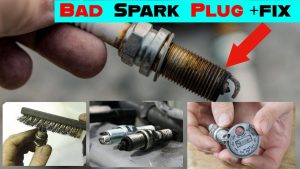
If your lawn mower isn’t starting or running smoothly, the spark plug might be the problem. Knowing how to remove the spark plug from your lawn mower can save you time and money.
In this guide, you’ll learn simple, step-by-step instructions that anyone can follow—even if you’ve never done it before. By the end, you’ll feel confident handling this basic but important task, keeping your mower in top shape all season long. Keep reading to discover how easy it really is!
Tools Needed
Removing a spark plug from a lawn mower requires specific tools. Using the right tools makes the job easier and safer. Prepare these items before starting the process.
Spark Plug Wrench
A spark plug wrench fits snugly around the plug’s hexagonal shape. It helps loosen and tighten the spark plug without damage. This tool is often adjustable and designed for spark plugs.
Socket Set
A socket set provides various socket sizes to match different spark plugs. Use a ratchet handle with the socket to turn the spark plug easily. It offers good leverage and control during removal.
Cleaning Brush
A cleaning brush removes dirt and debris from the spark plug area. Keeping the area clean prevents dirt from entering the engine. Wire or nylon brushes work well for this task.
Gloves And Safety Gear
Wear gloves to protect your hands from dirt and sharp edges. Safety glasses shield your eyes from dust and debris. Always use safety gear to avoid injuries during the task.

Credit: www.youtube.com
Prepare The Lawn Mower
Preparing your lawn mower before removing the spark plug is essential for safety and efficiency. Taking a few simple steps can prevent accidents and make the process smoother. Let’s look at what you need to do to get your mower ready.
Turn Off The Engine
Always ensure the engine is completely off before you start working. Even if the mower was running just moments ago, give it a minute to cool down. This step avoids any unexpected starts that could cause injury.
Disconnect The Spark Plug Wire
Locate the spark plug wire and gently pull it off the spark plug. This disconnects the ignition system and stops the engine from firing accidentally. If you’ve ever heard a mower start unexpectedly while fixing it, you know this step is non-negotiable.
Position The Mower Safely
Place the mower on a flat, stable surface to prevent it from tipping over. If you need to tilt the mower, do so carefully and make sure the air filter and carburetor are facing up. This positioning helps protect the internal parts and keeps you safe as you work.
Locate The Spark Plug
Locating the spark plug is the first step in removing it from a lawn mower. It usually sits on the engine’s side and connects to a thick wire. Knowing where to find it saves time and avoids confusion during maintenance.
Find The Spark Plug Cap
The spark plug cap covers the plug’s top. It is a rubber or plastic piece attached to a thick black wire. Follow this wire from the engine to locate the cap quickly. Gently pull the cap to avoid damage.
Identify The Spark Plug
The spark plug is a small metal cylinder with a hexagonal shape. It screws into the engine block and is partly visible once the cap is removed. Look for a metal part with a ceramic insulator in the center. This is the spark plug.
Credit: www.searspartsdirect.com
Remove The Spark Plug
Removing the spark plug from your lawn mower is a crucial task for maintenance and troubleshooting. It helps you inspect the plug’s condition, replace a faulty one, or prepare the mower for storage. Handling this step carefully ensures your mower runs smoothly and lasts longer.
Clean Around The Spark Plug
Before you touch the spark plug, clean the area around it. Dirt and debris can fall into the engine once the plug is removed, causing damage. Use a small brush or compressed air to clear away any dust or grass clippings.
This simple step saves you from bigger problems later. Have you ever skipped this and ended up with a clogged engine? Taking a minute to clean first makes a big difference.
Use The Wrench To Loosen
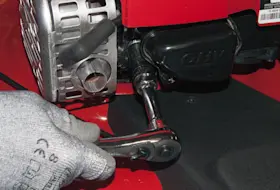
Grab a spark plug wrench or a deep socket wrench that fits the plug snugly. Place it firmly over the spark plug and turn counterclockwise. It might be tight if the plug hasn’t been removed in a while, so apply steady, even pressure.
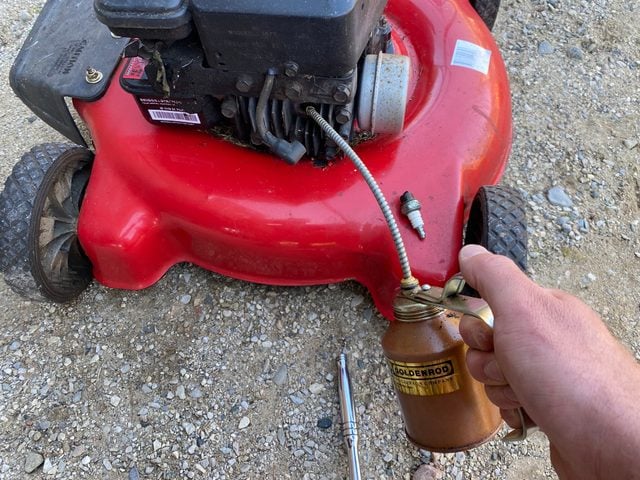
If it feels stuck, avoid forcing it too hard—you could strip the threads. Instead, try spraying a bit of penetrating oil and wait a few minutes. This usually helps loosen stubborn plugs without damage.
Extract The Spark Plug Carefully
Once loosened, gently pull the spark plug straight out. Avoid twisting or jerking it sideways to prevent damaging the threads. Hold the plug by its body, not the wire, to avoid breaking the ignition cable.
Inspect the spark plug for signs of wear, such as carbon buildup or cracks. Removing it carefully means you can reuse it if it’s still in good condition or replace it confidently if needed.
Inspect And Clean The Spark Plug
Inspecting and cleaning the spark plug is a crucial part of lawn mower maintenance that can save you time and money. A well-maintained spark plug ensures your mower starts easily and runs smoothly. Skipping this step might leave you frustrated with poor engine performance or unexpected breakdowns.
Check For Wear And Damage
Start by examining the spark plug’s electrode and insulator for signs of wear or damage. Look for cracks, heavy carbon buildup, or a worn electrode gap. If the metal parts appear corroded or burned, your spark plug might be struggling to create a strong spark.
Have you noticed your mower coughing or struggling to start? Often, these issues trace back to a spark plug that’s past its prime. A quick visual inspection can save you from deeper engine problems.
Clean The Spark Plug
Use a wire brush or spark plug cleaner to remove carbon deposits and dirt gently. Avoid using harsh abrasives that can damage the electrode. After cleaning, check the gap between the electrodes with a feeler gauge and adjust it to the manufacturer’s specification.
Cleaning the spark plug can often restore its performance, especially if buildup was the main issue. Think of it like giving your mower’s engine a breath of fresh air—it lets the spark flow freely again.
Decide On Replacement
If the spark plug shows serious wear, cracks, or the electrode is eroded beyond adjustment, it’s time to replace it. Using a worn spark plug can cause misfires and reduce fuel efficiency. Replacement plugs are inexpensive and easy to install, making it a small investment for reliable mower operation.
Ask yourself: Is the spark plug cleaning worth the effort, or will a new one save you more hassle? Sometimes, spending a few dollars on a fresh spark plug prevents hours of frustration.
Reinstall Or Replace The Spark Plug
Reinstalling or replacing the spark plug is a key part of lawn mower maintenance. It ensures the engine runs smoothly and starts easily. Use the right spark plug type for your mower model.
Handle the spark plug carefully to avoid damage. Follow these steps to install it correctly and avoid engine problems.
Apply Anti-seize Compound
Put a small amount of anti-seize compound on the spark plug threads. This prevents the plug from sticking in the cylinder head.
Use a clean cloth to spread the compound evenly. Avoid getting any on the electrode or tip.
Thread The Spark Plug By Hand
Start screwing the spark plug into the engine by hand. This prevents cross-threading and damage to the threads.
Turn slowly until the plug feels snug. Do not force it. If it binds, back off and start again.
Tighten With The Wrench
Use a spark plug wrench to tighten the plug firmly. Turn it about a quarter to half turn after hand-tightening.
Do not over-tighten. Too much force can strip the threads or break the plug.
Check the manufacturer’s torque specifications for the correct tightness.
Reconnect And Test
After removing and inspecting the spark plug, reconnecting and testing is essential. This step confirms if the spark plug is working well and if the lawn mower engine runs smoothly. Proper reconnection ensures safety and helps identify any issues early.
Attach The Spark Plug Wire
Place the spark plug wire firmly back onto the spark plug’s metal tip. Ensure it clicks or fits snugly to avoid loose contact. A secure connection helps the engine get the spark it needs to start.
Start The Engine To Check
Pull the starter cord or press the ignition button to start the mower. Listen for a steady engine sound without sputtering or stalling. A smooth start means the spark plug is functioning correctly and the mower is ready for use.
Credit: www.familyhandyman.com
Tips For Maintenance
Maintaining your lawn mower ensures it runs smoothly and lasts longer. Proper care of the spark plug is a key part of this. Regular maintenance prevents engine problems and improves performance.
Regular Inspection Schedule
Check the spark plug every 25 hours of use or at least once a season. Look for dirt, corrosion, or wear on the plug. Clean or replace it if you find any damage. Keep a small log to track these checks. Consistency helps avoid unexpected issues during mowing.
Proper Storage Practices
Store your lawn mower in a dry, clean place to protect the spark plug. Remove the spark plug before long storage to prevent corrosion. Cover the mower to keep dust and moisture away. Drain fuel or add a fuel stabilizer to keep the engine parts safe.
When To Seek Professional Help
Call a mechanic if the spark plug is hard to remove or heavily damaged. Seek help if the mower engine runs poorly after replacing the spark plug. Professionals can diagnose deeper engine problems you might miss. Trust experts for safety and proper repairs.
Frequently Asked Questions
How Do I Safely Remove A Lawn Mower Spark Plug?
First, disconnect the spark plug wire to prevent accidental starts. Use a spark plug socket wrench to turn the plug counterclockwise. Remove the plug carefully to avoid damaging the threads. Always wear gloves and ensure the mower is off and cool before starting.
What Tools Are Needed To Remove A Spark Plug?
You need a spark plug socket wrench, a ratchet or socket driver, and possibly a spark plug gap tool. These tools help loosen and safely remove the spark plug from the lawn mower engine. Having the right tools makes the job easier and avoids damage.
How Often Should I Remove And Check Spark Plugs?
Check your lawn mower’s spark plug every 25 hours of use or at least once a season. Frequent inspection ensures efficient engine performance and prevents starting issues. Replace or clean the plug if it’s dirty, corroded, or worn out for best results.
Can I Remove The Spark Plug Without Disconnecting The Wire?
No, always disconnect the spark plug wire before removal. This prevents accidental engine starts, reducing the risk of injury. Handling the spark plug with the wire connected is unsafe and may cause electric shocks or damage to the ignition system.
Conclusion
Removing the spark plug from a lawn mower is simple. Keep safety first by turning off your mower. Use the right tools for easy removal. Remember, a firm grip ensures success. Avoid damaging the spark plug hole. Inspect the spark plug for wear or dirt.
Clean or replace if necessary. Regular maintenance keeps your mower running smoothly. Follow these steps for hassle-free maintenance. A well-maintained mower saves time and effort. Enjoy a neat lawn with less stress. Happy mowing!