
Have you ever tried to remove a spark plug from your mower, only to find it stuck fast? It’s frustrating, time-consuming, and can even damage your equipment if you’re not careful.
But don’t worry—getting that stuck spark plug out doesn’t have to be a battle. You’ll discover simple, effective steps to loosen and remove your mower’s spark plug safely. By the end, you’ll feel confident handling this common problem yourself, saving time and money on repairs.
Keep reading, and let’s get your mower running smoothly again!
Signs Of A Stuck Spark Plug
Common causesof a stuck spark plug include rust, dirt buildup, and overtightening. Rust forms when moisture reaches the metal parts inside the engine. Dirt can clog the spark plug threads, making removal tough. Overtightening during installation can also cause the spark plug to get stuck.
Symptoms to watch forinclude the mower not starting or running rough. You might hear strange noises or notice a strong fuel smell. The spark plug may look dirty, oily, or damaged when inspected. Difficulty turning the spark plug with a wrench is a key sign of it being stuck.
Tools Needed
Essential equipmentincludes a spark plug socket, ratchet wrench, and extension bar. These tools help reach and turn the spark plug easily. A spark plug gap tool is handy to check the gap after removal. A wire brush cleans the plug threads and area around the hole.
Optional tools for tough casesinclude penetrating oil to loosen rust and dirt. A rubber mallet can gently tap the wrench if the plug is stuck. Heat from a heat gun or hair dryer can expand metal parts and ease removal. Patience and care are very important to avoid damage.
Safety Precautions
Wearing protective gloveskeeps hands safe from sharp edges and dirt. Use safety glassesto protect eyes from debris. A long-sleeve shirt prevents skin scratches and burns.
Always work in a well-litarea to see clearly. Make sure the mower is turned offand the spark plug wire is disconnectedto avoid accidental starts.
- Use the right tools to avoid damage and injury.
- Keep the area clean to prevent slips and falls.
- Hold the spark plug wrench firmly to avoid slips.
- Do not force the plug; this can break it.
Preparing The Mower
Removing a stuck mower spark plug can be simple with the right tools. Begin by switching off the engine and letting it cool. Use a socket wrench to gently turn the plug counterclockwise. If it’s still stuck, apply penetrating oil and wait a few minutes before trying again.
Cleaning Around The Plug
Remove grass, dirt, and debris from around the spark plug area. Use a brush or cloth for cleaning. This stops dirt from falling inside the engine when the plug is removed. Clean surfaces help prevent damage and make the job easier.
Accessing The Spark Plug
Locate the spark plug by following the thick wire from the ignition coil. Carefully pull the wire boot off the spark plug. Keep the wire boot intact to avoid damage. Use a spark plug socket and ratchet to reach the plug easily. Clear space around the plug for better tool access.
Loosening The Spark Plug
Spray penetrating oilaround the spark plug base. Let it soak for 10 to 15 minutes. This oil helps to loosen rustand dirt. It makes the plug easier to turn. Use a spark plug wrenchto try turning gently after soaking.
Applying heat can also help free the spark plug. Use a heat source like a heat gunor propane torchcarefully. Heat the area around the spark plug for a few minutes. This causes the metal to expand, breaking the rust bond.
Be cautious to avoid damage. Keep the heat away from plastic parts and fuel lines. Let the engine cool before applying heat. After heating, try loosening the plug again with the wrench.
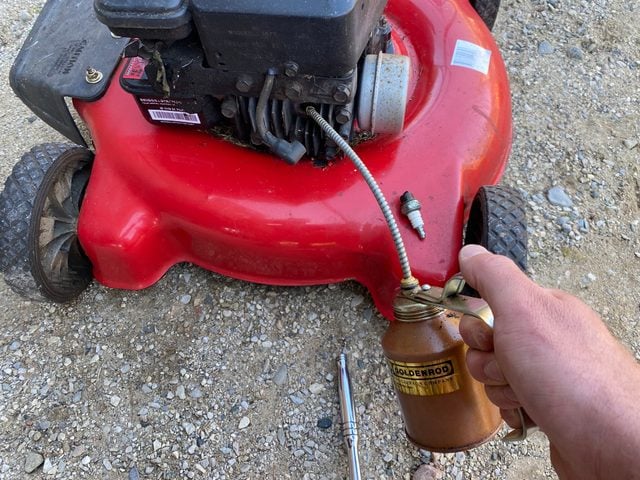
Credit: www.familyhandyman.com
Removing The Stuck Spark Plug
Using a spark plug socketis key to removing stuck plugs. The socket should fit snugly around the spark plug. Attach it to a ratchet to turn the plug. Apply gentle, steady pressure to avoid breaking it. If the plug doesn’t move, stop and try another technique. A spark plug socket usually has a rubber insert. This helps grip the plug better. It protects the plug from damage too.
If the socket doesn’t work, try penetrating oil. Spray the oil around the base of the plug. Let it sit for a few minutes. This helps loosen rust or dirt. Use a wrench for extra leverage. Twist gently but firmly. If it still won’t budge, tap the plug lightly with a hammer. This can help break the seal. Be careful not to hit too hard. Safety is important. Wear gloves to protect your hands.
Dealing With A Broken Plug
Broken spark plugs can be tricky to remove. Carefully using a spark plug extractor helps pull out fragments without damaging the engine. Apply some penetrating oil around the stuck plug to loosen rust and dirt. Use gentle taps with a hammer on the extractor to break the grip of the broken piece.
Be patient and avoid forcing the plug. Too much force may cause more damage inside the engine. Use a magnet or small pliers to pick out any loose pieces.
- Stop if the plug doesn’t budge after several tries.
- Seek professional help to avoid engine damage.
- Experts have special tools and experience for tough cases.
- Trying to remove it yourself can sometimes worsen the problem.

Credit: m.youtube.com
Preventing Future Stuck Plugs
Regularly applying anti-seize compound on spark plug threads prevents them from sticking. Keeping the engine clean and dry also helps avoid future stuck plugs. Tighten spark plugs carefully to the right torque for easy removal later.
Regular Maintenance Tips
Keep the spark plug clean to avoid dirt and grime build-up. Check the plug regularly for signs of wear. Replace the plug every season or after 100 hours of use. Use a spark plug wrench to tighten the plug correctly. Avoid overtightening to prevent damage to the threads. Apply a small amount of anti-seize lubricant on the spark plug threads before installation. This helps stop rust and makes future removal easier.
Correct Installation Practices
Ensure the spark plug fits your mower model exactly. Insert the plug straight into the hole to avoid cross-threading. Hand-tighten the plug first for better control. Use a torque wrench to tighten the plug to the manufacturer’s recommended setting. Avoid forcing the plug if it feels stuck. Proper installation extends the spark plug’s life and keeps your mower running smoothly.

Credit: www.youtube.com
Frequently Asked Questions
How Do I Remove A Stuck Mower Spark Plug Safely?
To remove a stuck mower spark plug safely, first apply a penetrating oil. Let it sit for 10-15 minutes. Use a proper spark plug socket and wrench. Turn slowly to avoid damaging the threads. If stuck, gently tap the plug to loosen it.
What Tools Are Needed To Remove A Stuck Spark Plug?
You need a spark plug socket, ratchet wrench, and penetrating oil. A breaker bar can help with extra torque. Additionally, a rubber mallet and a spark plug gap tool may be useful for loosening and inspecting.
Why Does A Mower Spark Plug Get Stuck?
A mower spark plug gets stuck due to corrosion, dirt buildup, or cross-threading. Exposure to moisture causes rust, making removal difficult. Over-tightening during installation can also lead to a stuck plug.
Can I Use Wd-40 To Loosen A Stuck Spark Plug?
Yes, WD-40 or similar penetrating oils help loosen stuck spark plugs. Spray it on the plug and threads, then wait 10-15 minutes. This softens rust and dirt, making removal easier and safer.
Conclusion
Removing a stuck mower spark plug takes patience and care. Use the right tools and gentle pressure to avoid damage. Clean the area before trying to remove the plug. Apply penetrating oil and wait for it to work. Turn slowly and steadily to loosen the plug.
If it still sticks, consider professional help. Regular maintenance helps prevent this problem. Keep your mower running smoothly and safely. Remember, small steps protect your mower’s engine. Stay calm and work carefully for best results.





