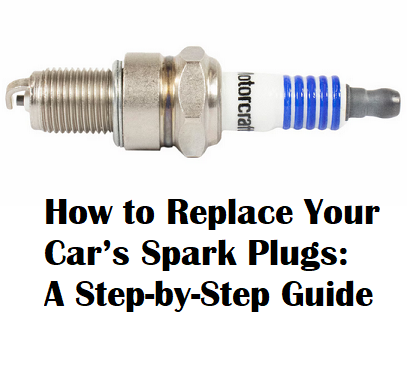
Are you looking to boost your car’s performance or improve its fuel efficiency? One of the simplest tasks you can tackle yourself is removing and replacing spark plugs.
But before you dive under the hood, you might feel a bit intimidated. Don’t worry; it’s easier than you think! In this guide, you’ll discover the step-by-step process to safely and effectively remove spark plugs, even if you’re not a car expert.
By the end, you’ll have the confidence to maintain your vehicle like a pro and keep it running smoothly. Ready to roll up your sleeves and get started? Let’s dive in!

Credit: shop.advanceautoparts.com
Tools Needed
Removing spark plugs requires a few basic tools. Having the right equipment makes the job easier and safer. These tools help you reach, loosen, and remove the plugs without damage.
Some tools are essential for every spark plug removal. Others are optional but helpful for certain situations. Prepare your workspace with these tools before starting.
Essential Tools
- Spark Plug Socket: A special socket with rubber inside to grip the plug.
- Socket Wrench (Ratchet): Used to turn the spark plug socket.
- Socket Extension Bar: Helps reach deep or tight areas in the engine.
- Torque Wrench: Ensures proper tightening when reinstalling spark plugs.
- Dielectric Grease: Protects spark plug boots from moisture and corrosion.
Optional Accessories
- Magnetic Pickup Tool: Retrieves dropped spark plugs or small parts.
- Compressed Air Can or Air Compressor: Clears debris around spark plugs before removal.
- Gloves: Protect your hands from dirt and heat.
- Anti-Seize Compound: Prevents spark plugs from sticking in the cylinder head.
- Flashlight or Work Light: Illuminates dark engine compartments for better visibility.
Preparation Tips
Preparing to remove spark plugs requires more than just grabbing a wrench and diving in. Taking the right preparation steps can save you time, prevent damage, and keep you safe. Let’s look at some essential tips that set you up for success before you start unscrewing those plugs.
Safety Precautions
Your safety should come first. Always disconnect the battery to avoid accidental electrical shocks. Wear gloves to protect your hands from sharp engine parts and hot surfaces.
Eye protection is a must. Spark plugs can sometimes break or debris may fly when loosening them. Have a fire extinguisher nearby just in case sparks ignite any nearby flammable materials.
Engine Cooling
Have you ever tried working on a hot engine? It’s not just uncomfortable—it’s dangerous. Always let your engine cool down completely before starting the removal process.
A hot engine can cause burns and makes components expand, which might make spark plugs harder to remove. Waiting for at least 30 minutes after turning off the engine helps ensure everything is cool enough to handle safely.
Accessing The Spark Plugs
Finding and reaching your spark plugs can be tricky. Depending on your car model, you may need to remove engine covers or other components first.
- Use a flashlight to locate the spark plugs easily.
- Check your vehicle manual for specific access instructions.
- Remove any obstructing parts carefully without forcing them.
Have you noticed how much easier the job is when you clear the area properly? Taking this extra time at the start can prevent frustration and accidental damage later on.
Removing Spark Plugs
Removing spark plugs is an important task for car maintenance. It helps keep the engine running smoothly. Knowing how to remove spark plugs safely saves time and avoids damage. Follow simple steps for a clean and efficient process.
Disconnecting Wires
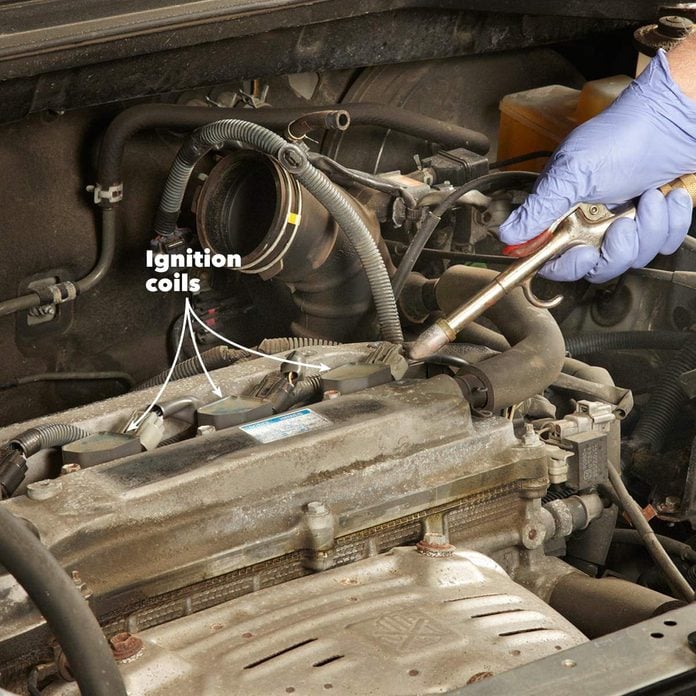
Start by turning off the engine and letting it cool. Find the spark plug wires connected to each plug. Hold the boot, not the wire, and gently pull it off. Avoid yanking the wire to prevent damage.
Cleaning Around Plugs
Use a brush or compressed air to clean dirt around each spark plug. This stops debris from falling into the engine when removing plugs. A clean area makes the process safer and easier.
Using The Right Socket
Choose a spark plug socket that fits the plug size perfectly. Most spark plugs need a deep socket with rubber inside. This protects the plug and helps remove it without slipping.
Loosening The Plugs
Attach the socket to a ratchet and place it on the spark plug. Turn counterclockwise slowly to loosen the plug. Stop if you feel resistance; check for cross-threading. Remove the plug carefully once loose.
Credit: www.familyhandyman.com
Troubleshooting Common Issues
Removing spark plugs can sometimes lead to common issues that block progress. These problems often cause frustration and delay. Understanding how to handle these issues saves time and protects your engine parts.
Below are some common troubles and simple ways to fix them.
Stuck Spark Plugs
Spark plugs can get stuck in the cylinder head due to heat and pressure. Avoid using too much force, which may cause damage. Try these tips:
- Spray a penetrating oil around the plug base and wait 10–15 minutes.
- Use a spark plug socket with a breaker bar for better leverage.
- Turn slowly back and forth to loosen the plug gradually.
- If stuck, apply gentle heat with a heat gun to expand the metal.
Damaged Threads
Damaged threads make spark plug removal and reinstallation difficult. Cross-threading or overtightening causes this damage. Follow these steps to avoid or fix it:
- Inspect threads before removing the plug.
- Use a thread chaser tool to clean and repair damaged threads.
- Apply anti-seize compound when installing new plugs to prevent damage.
- Replace the cylinder head if thread damage is severe.
Corrosion Problems
Corrosion builds up on spark plugs and threads due to moisture and age. It can cause poor connection and removal issues. Here’s what to do:
- Clean corrosion with a wire brush carefully.
- Use penetrating oil to loosen corroded plugs.
- Replace heavily corroded spark plugs and wires.
- Keep the engine area dry to prevent future corrosion.
Post-removal Care
After removing your spark plugs, taking proper care is crucial to ensure your engine runs smoothly when you reinstall them or replace them with new ones. Post-removal care helps you spot potential issues early and prepares the plugs for optimal performance. Let’s dive into the key steps you should focus on right after pulling out your spark plugs.
Inspecting Spark Plugs
Look closely at the spark plugs for signs of wear or damage. Check the electrodes for erosion, cracks, or heavy deposits. These signs can tell you a lot about your engine’s health and whether the plugs need replacing or just cleaning.
Have you noticed unusual colors or buildup? A black, sooty deposit could mean your engine is running too rich, while a white, blistered tip might indicate overheating. Understanding these clues can save you from bigger engine problems down the road.
Cleaning And Gapping
If the spark plugs are still in good shape, clean them carefully to remove carbon deposits. Use a wire brush or spark plug cleaner, but avoid harsh scrubbing that might damage the electrodes. Keeping the plugs clean improves the spark and engine efficiency.
Next, check the gap between the electrodes using a feeler gauge. The correct gap is essential for the spark to jump properly and ignite the fuel-air mixture. Adjust the gap to the manufacturer’s specifications by gently bending the ground electrode.
Preparing For Installation
Before reinstalling, apply a small amount of anti-seize compound to the threads. This prevents the plugs from sticking and makes future removal easier. However, be careful not to over-apply, as excess compound can interfere with proper torque.
Hand-tighten the spark plugs first to avoid cross-threading, then use a torque wrench to secure them to the exact specifications. Over-tightening can damage the threads, while under-tightening might cause poor contact and misfires. Are you ready to handle your spark plugs with the care they deserve?

Credit: www.youtube.com
Frequently Asked Questions
How Do I Safely Remove Spark Plugs?
First, disconnect the battery for safety. Use a spark plug socket and ratchet to turn counterclockwise. Clean around the plug to avoid debris falling inside. Gently wiggle and pull the plug out once loose.
What Tools Are Needed To Remove Spark Plugs?
You need a spark plug socket, ratchet wrench, and possibly an extension bar. A gap gauge and anti-seize lubricant are helpful. Having a torque wrench ensures proper reinstallation tightness.
How Often Should Spark Plugs Be Replaced?
Typically, spark plugs should be replaced every 30,000 to 100,000 miles. Check your vehicle’s manual for specific intervals. Regular inspection helps maintain engine efficiency and fuel economy.
Can I Remove Spark Plugs Without A Mechanic?
Yes, with the right tools and instructions, you can remove spark plugs yourself. Ensure the engine is cool before starting. Follow safety precautions and work carefully to avoid damage.
Conclusion
Removing spark plugs does not have to be hard. With the right tools and steps, anyone can do it. Always work carefully to avoid damage. Keep your engine healthy by changing spark plugs on time. This simple task helps your car run smooth and saves money.
Take your time, follow the guide, and enjoy a better driving experience. Ready to try it yourself? You’ve got this!





