
If you’ve ever faced trouble starting your push mower, the spark plug might be the culprit. Knowing how to remove a spark plug from your push mower is a handy skill that can save you time and money.
You don’t need to be a mechanic to tackle this task; all it takes is a little guidance and some basic tools. By learning this simple process, you’ll not only extend the life of your mower but also ensure it runs smoothly every time you need it.
Imagine the satisfaction of diagnosing and fixing this common issue on your own. Dive into this guide to discover how easy it is to give your push mower the care it deserves, and keep your lawn looking its best all season long.
Tools Needed
Removing a spark plug from a push mower requires a few simple tools. Having the right tools makes the job easier and safer. Prepare these items before starting to avoid interruptions.
Spark Plug Wrench
A spark plug wrench is designed to fit the plug snugly. It helps loosen and tighten the spark plug without damage. Many mowers come with a wrench, but a separate one can be purchased easily.
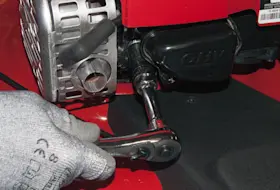
Ratchet And Socket Set
A ratchet with the correct socket size speeds up the removal. It offers better grip and control compared to a wrench alone. Choose a socket that matches the spark plug’s hex shape exactly.
Cleaning Supplies
Keep cleaning supplies ready to clean the spark plug and its area. Use a wire brush or a clean cloth to remove dirt and debris. Cleaning ensures the spark plug fits properly back in place.
Safety Gear
Wear safety gloves to protect your hands from dirt and sharp parts. Safety glasses shield your eyes from dust and debris. Proper gear keeps you safe during the task.
Credit: www.searspartsdirect.com
Prepare The Mower
Preparing your push mower before removing the spark plug is essential for safety and ease. Taking simple precautions can prevent injuries and damage. Follow these steps carefully to get the mower ready for spark plug removal.
Turn Off And Disconnect
Make sure the mower is completely turned off. Remove the key if your mower has one. Disconnect the spark plug wire by pulling it gently. This stops the engine from starting accidentally.
Allow Engine To Cool
Let the engine cool down before you touch it. A hot engine can cause burns. Wait at least 30 minutes after running the mower to ensure safety.
Locate The Spark Plug
Find the spark plug on the engine block. It looks like a small metal cylinder with a wire attached. Check your mower’s manual if you have trouble locating it.
Remove The Spark Plug
Removing the spark plug from your push mower might seem straightforward, but doing it carefully ensures you avoid damage and keep your mower running smoothly. Each step requires attention to detail, especially since the spark plug is crucial for your mower’s ignition system. Let’s break down the process so you can confidently handle this task.
Clean Around The Plug
Before you touch the spark plug, clear away any dirt or debris around it. Use a brush or compressed air to remove dust and grass clippings. This prevents anything from falling into the engine once the plug is out.
Have you ever tried removing a spark plug only to find grit inside the cylinder? Cleaning the area first saves you from that hassle and potential engine problems.
Disconnect The Spark Plug Wire
Grip the spark plug wire boot firmly, not the wire itself, and pull it straight off the plug. This avoids damaging the wire or connection. If the boot feels stuck, wiggle it gently while pulling.
Disconnecting the wire is essential to prevent any accidental sparks or engine starts while you work. It’s a simple safety step that you shouldn’t overlook.
Use Wrench To Unscrew Plug
Grab a spark plug socket wrench that fits snugly over the plug. Turn the wrench counterclockwise to loosen the plug. If it’s tight, apply steady pressure rather than forcing it suddenly.
Once loose, you can unscrew the plug by hand. Keep in mind that over-tightening during installation can cause damage, so take note of how easily the plug comes out for when you put the new one in.

Credit: www.youtube.com
Inspect And Clean The Spark Plug
Inspecting and cleaning the spark plug is a crucial part of maintaining your push mower’s engine. A clean, well-functioning spark plug ensures your mower starts quickly and runs smoothly. Taking the time to check and clean it can save you from frustrating breakdowns.
Check For Wear And Damage
Look closely at the spark plug’s tip and threads. Is there any corrosion, cracks, or heavy carbon buildup? If the electrode is worn down or the insulator is cracked, it’s time to replace the spark plug entirely.
Think about the last time your mower struggled to start—could a damaged spark plug have been the culprit? Spotting these signs early can prevent wasted time and fuel.
Clean With Wire Brush
Use a wire brush to gently remove dirt and carbon deposits from the spark plug’s metal parts. Make sure to clean the threads and the electrode without applying too much pressure that could damage them.
This simple cleaning step can restore the spark plug’s effectiveness. Have you noticed how a clean spark plug often brings your mower back to life instantly?
Measure The Gap
The gap between the center and ground electrode must be just right for proper ignition. Use a feeler gauge to measure this gap according to your mower’s manual specifications.
If the gap is too wide or narrow, adjust it carefully by bending the ground electrode. A precise gap means your mower will fire efficiently, saving fuel and reducing emissions.
Replace Or Reinstall Plug
Replacing or reinstalling the spark plug is a key step after removing it from your push mower. This process ensures the engine runs smoothly and starts easily. Careful handling during this step prevents damage and maintains good engine performance.
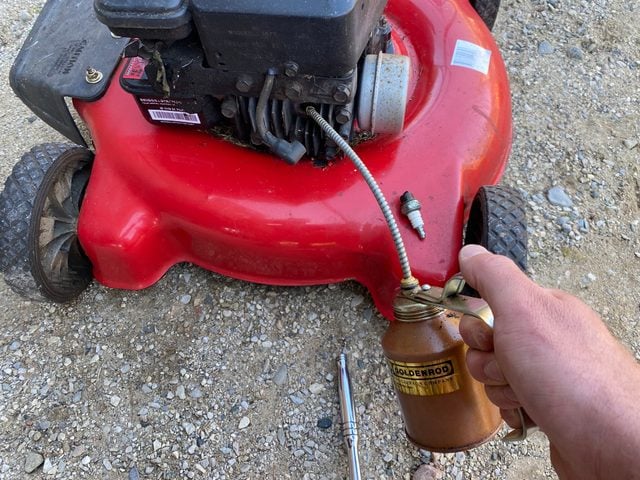
Apply Anti-seize Compound
Start by applying a small amount of anti-seize compound to the spark plug’s threads. This helps prevent the plug from sticking in the engine block. Use a clean finger or a small brush to spread the compound evenly. Avoid getting any compound on the electrode or firing end.
Screw In The Spark Plug
Insert the spark plug carefully into the engine’s spark plug hole. Turn it by hand to avoid cross-threading. Once it is snug, use a spark plug socket wrench to tighten it. Do not overtighten; stop when it feels firm to avoid damaging the threads.
Reconnect The Wire
Firmly push the spark plug wire boot onto the end of the spark plug. It should click or feel secure. This connection allows the spark plug to receive the electrical charge needed to ignite the fuel. Check that the wire is not loose or damaged before starting the mower.
Credit: www.familyhandyman.com
Test The Mower
Testing your push mower after removing and reinstalling the spark plug is essential to ensure everything is working properly. This step helps you catch any issues early and avoid unexpected problems during your next mowing session. Pay close attention to how your mower behaves when you start it up again.
Start The Engine
Once the spark plug is back in place, try starting your mower as usual. If it starts without hesitation, that’s a good sign your spark plug is correctly installed and functioning. If it struggles or doesn’t start, double-check the spark plug connection and gap before trying again.
Listen For Irregular Sounds
After the engine starts, listen carefully for any unusual noises like knocking, sputtering, or uneven running. These sounds can indicate issues with the spark plug or the engine itself. If you hear something odd, it’s worth investigating further rather than assuming the problem is fixed.
Check For Smooth Operation
Watch and feel how the mower runs as you let it idle and then increase throttle. The engine should run smoothly without stalling or jerking. If it feels rough or inconsistent, consider inspecting the spark plug again or looking at other components such as the fuel or air filter.
Frequently Asked Questions
How Do I Safely Remove A Spark Plug From A Push Mower?
First, disconnect the spark plug wire to prevent accidental starts. Use a spark plug socket wrench to turn counterclockwise. Apply steady pressure and avoid damaging the threads. Clean around the spark plug before removal to prevent debris from entering the engine.
What Tools Are Needed To Remove A Push Mower Spark Plug?
You need a spark plug socket wrench, ratchet, and possibly an extension. A spark plug gap gauge is useful for checking the new plug. These tools make removal safe and efficient, avoiding damage to the spark plug or mower.
How Often Should I Replace The Spark Plug In A Push Mower?
Replace the spark plug every 25 hours of use or annually. Check it regularly for wear, carbon buildup, or damage. A clean, properly gapped spark plug ensures better engine performance and easier starts.
Can I Remove The Spark Plug Without Disconnecting The Wire?
No, always disconnect the spark plug wire first. This prevents accidental engine starts and reduces the risk of electric shock. Safety first to avoid injury while performing maintenance on your push mower.
Conclusion
Removing a spark plug from a push mower is simple with the right steps. Always start by turning off the mower and letting it cool down. Use a wrench to carefully loosen and pull out the spark plug. Keep the area clean to avoid dirt getting inside.
Regular spark plug checks help your mower run smoothly. Follow these tips to maintain your mower easily and safely. Taking care of small parts keeps your mower ready for work. Simple actions make a big difference.





