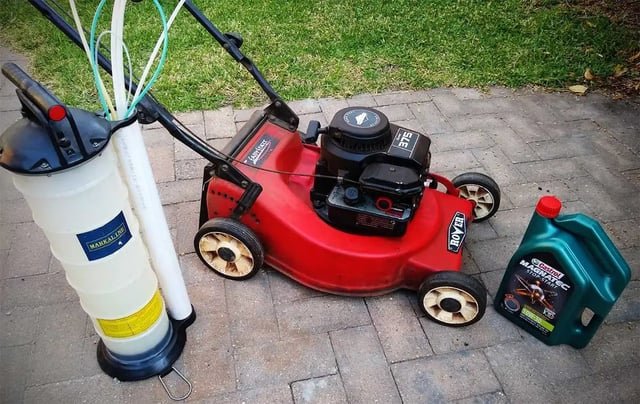
Is your mower running rough or smelling burnt? Old oil could be the hidden culprit slowing down your machine.
Removing that old oil is easier than you think, and doing it right can save you time, money, and frustration. In this guide, you’ll learn simple, step-by-step tips to drain and replace your mower’s oil like a pro. Keep reading, and soon you’ll have your mower running smoothly again—ready to tackle your next yard project without a hitch.
Why Change Mower Oil
Changing the oil in your mower is a crucial maintenance task. It keeps the engine running smoothly and extends its life. Old oil loses its ability to protect the engine from wear and tear. Fresh oil ensures the mower performs at its best every time you use it.
Effects Of Old Oil
- Old oil becomes thick and dirty over time.
- It loses its lubrication power, causing engine parts to wear out fast.
- Dirty oil can clog the oil filter and engine parts.
- Engine may overheat due to poor oil quality.
- Performance drops, and fuel efficiency decreases.
- Risk of engine damage and costly repairs rises.
Benefits Of Fresh Oil
- Fresh oil lubricates engine parts properly, reducing friction.
- It helps keep the engine cool during operation.
- Improves mower performance and extends engine life.
- Reduces the risk of breakdowns and expensive fixes.
- Enhances fuel efficiency, saving money on gas.
- Maintains clean engine parts for smoother running.
Tools And Materials Needed
Removing old oil from a mower requires specific tools and materials. Having the right items makes the process easier and safer. Gather everything before starting to avoid interruptions.
Essential Tools
- Oil drain pan – to catch the old oil
- Socket wrench or spanner – for loosening the drain plug
- Oil filter wrench – if your mower has an oil filter
- Funnel – helps pour new oil without spilling
- Rags or paper towels – for cleaning spills and wiping parts
- Gloves – protect your hands from dirty oil
- Container – to store used oil for proper disposal
Recommended Oils
| Oil Type | Use | Viscosity |
|---|---|---|
| SAE 30 | Warm weather and summer use | Single-grade oil |
| 10W-30 | All-season use | Multi-grade oil |
| 5W-30 | Cold weather and winter use | Multi-grade oil |
Choose oil based on your mower’s manual recommendations. Using correct oil keeps the engine running smoothly and extends its life.
Preparing The Mower
Before you dive into removing old oil from your mower, getting it ready properly can save you a lot of hassle. Preparing the mower ensures a smoother process and helps you avoid common mistakes that can cause spills or damage. Taking a few moments to set up your workspace and mower properly makes the whole task safer and cleaner.
Safety Precautions
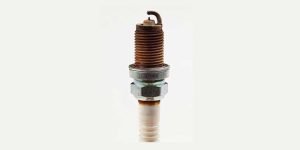
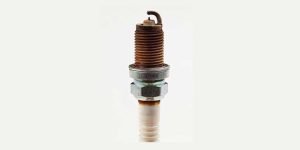
Safety should always be your top priority when working with machinery and fluids. Start by disconnecting the spark plug wire to prevent the engine from accidentally starting. Wearing gloves protects your hands from dirty oil and sharp parts, while safety glasses keep your eyes safe from splashes.
Make sure the mower is cool before you begin. Hot engine parts or oil can cause burns. If you’re unsure, wait at least 30 minutes after running the mower to let everything cool down.
Positioning The Mower
Where and how you place your mower matters. Position it on a flat, stable surface to prevent it from tipping over. This stability makes it easier to access the oil drain plug or dipstick without struggling to hold the mower steady.
Tilting the mower slightly can help the oil drain more completely, but be careful to avoid oil spilling onto the air filter or carburetor. Placing a large pan or tray underneath will catch the old oil and keep your area clean.
:max_bytes(150000):strip_icc()/GettyImages-1267584660-26f71400e7384966be4d68433e3418b7.jpg)
Credit: www.marthastewart.com
Draining The Old Oil
Begin by warming the mower engine briefly to thin the oil for easier draining. Place a container under the drain plug, then remove the plug to let old oil flow out completely. Replace the plug securely before adding fresh oil.
Draining the old oil from your mower is a necessary maintenance step. It keeps the engine running smoothly and prolongs its life. Properly draining the oil ensures optimal performance and prevents engine damage. Let’s dive into how to effectively drain the old oil from your mower.Locating The Drain Plug
First, find the drain plug on your mower. It is usually beneath the engine. Check the owner’s manual for its exact location. The plug might be hidden under grass or debris. Clean the area to get a clear view. Use a flashlight if needed for better visibility.Draining Process
Before draining, warm the engine for a few minutes. This makes the oil flow easier. Place a container under the drain plug to catch the oil. Use a wrench to loosen the plug carefully. Allow the oil to fully drain into the container. Be patient, as it may take a few minutes. Once drained, securely tighten the drain plug. Dispose of the old oil responsibly at a recycling center.Replacing The Oil Filter
Replacing the oil filter is a key part of maintaining your mower’s engine. It keeps the oil clean by trapping dirt and debris that can damage engine parts. Changing the oil filter regularly helps your mower run smoothly and last longer.
Removing The Old Filter
Start by locating the oil filter on your mower. It usually looks like a small, round canister attached to the engine block.
Before removing it, place a container underneath to catch any oil that might spill out. Use an oil filter wrench or your hand to turn the filter counterclockwise. If the filter is stuck, try gripping it with a rag for better traction.
Once loose, carefully pull the filter away from the engine. Be ready for some oil to drip, so keep your container in place. Did you know that leaving the old filter on too long can cause oil leaks? That’s why removing it gently is important.
Installing The New Filter
Before installing the new filter, apply a thin layer of fresh oil to the rubber gasket on its top. This helps create a better seal and makes future removal easier.
Screw the new filter onto the engine by hand, turning it clockwise. Tighten it firmly but avoid over-tightening, which can damage the gasket or the filter.
After installation, check the oil level and add fresh oil if needed. Running your mower with the right oil level and a clean filter ensures better performance. Have you checked your filter lately? It could be the reason your mower isn’t running as well as it should.

Credit: www.youtube.com
Adding New Oil
Adding new oil is crucial for your mower’s engine health. Fresh oil keeps the engine parts smooth and cool. It also helps the engine run better and last longer. Pouring the right amount and type of oil matters a lot. Too much or too little oil can cause problems. Follow these tips to add new oil correctly.
Choosing The Right Oil
Pick oil made for small engines or lawn mowers. Check your mower’s manual for the recommended oil type. Common types include 10W-30 or SAE 30 oil. Use synthetic oil only if the manual allows it. Using the wrong oil can harm the engine. Choose clean, fresh oil for best results.
Filling The Oil Reservoir
Locate the oil fill cap on your mower. Remove the cap carefully and keep it nearby. Use a funnel to avoid spills while pouring oil. Add oil slowly and check the level often. The dipstick or oil window shows the right level. Do not overfill; stop when it reaches the full mark. Replace the cap tightly after filling. Wipe any oil spills to keep the mower clean.
Checking Oil Levels
Checking the oil levels in your mower is a crucial step before removing old oil. It helps you understand how much oil is currently in the engine and whether it needs to be drained completely. Knowing the right oil level ensures your mower runs smoothly and avoids damage caused by too little or too much oil.
Using The Dipstick
The dipstick is your primary tool for checking oil levels. Start by removing the dipstick and wiping it clean with a rag or paper towel. Then, reinsert it fully and pull it out again to see the current oil level.
Look closely at the markings on the dipstick—usually labeled “Full” and “Add.” If the oil is near or below the “Add” mark, it’s time to add or change the oil. This quick check can save you from engine trouble later.
Adjusting Oil Amount
Once you know the oil level, adjusting it is straightforward. If the oil is too low, add small amounts of the recommended oil, then recheck with the dipstick. Avoid overfilling since excess oil can cause engine issues.
If you find the oil level is higher than recommended, it’s best to drain some out before adding fresh oil. This balance helps your mower run efficiently and prolongs its lifespan. Have you ever noticed your mower running rough after an oil change? Often, it’s because the oil level wasn’t checked properly.
Disposing Of Old Oil
Disposing of old oil safely protects the environment and keeps your community clean. Used oil contains harmful substances that can pollute soil and water. Proper disposal prevents damage to plants, animals, and people.
Environmental Guidelines
Never pour old oil down drains, on the ground, or in trash bins. Oil can seep into water supplies and harm wildlife. Store used oil in a clean, sealed container to avoid spills. Check local rules for oil disposal to follow legal requirements. Many places have specific laws to protect the environment.
Recycling Options
Many service stations and recycling centers accept used oil for free. Recycling oil helps reduce waste and saves energy. Some auto shops and community centers also collect old oil. Use a funnel to pour oil into the recycling container without spilling. Keep the oil clean by avoiding mixing it with other fluids.
Maintaining Mower Oil
Drain the old oil by locating the drain plug or removing the oil cap. Use a container to catch the oil and avoid spills. After draining, refill with fresh oil for better mower performance.
Maintaining Mower Oil Keeping your mower’s oil in top condition is crucial for its performance and longevity. Without regular checks and maintenance, the engine can suffer, leading to costly repairs. Understanding when and how to change your mower’s oil will keep your lawn looking pristine and your machine running smoothly.Regular Oil Checks
Regularly checking the oil in your mower ensures that it remains clean and at the right level. This small habit can save you from potential engine damage. Make it a routine before each mowing session—just like checking your car’s oil. Use a clean cloth to wipe the dipstick and check the oil level. If it’s low or looks dark and dirty, it’s time for a change. Remember, fresh oil is clear and golden.Recommended Change Intervals
How often should you change the mower oil? Most experts suggest every 50 hours of use or at the start of each mowing season. This ensures the engine remains lubricated and free from harmful particles. Consider your mowing habits. If you mow frequently or in dusty conditions, you may need to change the oil more often. Adjust your maintenance schedule to fit your usage pattern. Regular oil changes might seem like a chore, but they are an investment in your mower’s future. Wouldn’t you prefer a smooth-running machine over unexpected breakdowns?
Credit: www.familyhandyman.com
Frequently Asked Questions
How Often Should You Change Mower Oil?
Change mower oil every 25-50 hours of use or once per mowing season. Regular changes keep the engine running smoothly and prevent damage.
What Tools Are Needed To Remove Old Mower Oil?
You need a wrench, oil drain pan, funnel, and clean rags. These tools help safely drain and dispose of the old oil without spills.
Can You Reuse Old Mower Oil After Draining?
No, old mower oil contains dirt and metal particles. Always replace with fresh oil to ensure proper engine lubrication and performance.
How To Safely Dispose Of Used Mower Oil?
Collect used oil in a sealed container. Take it to a recycling center or auto shop that accepts used oil for eco-friendly disposal.
Conclusion
Removing old oil from your mower keeps it running well. Drain the oil carefully to avoid spills. Use the right tools and follow safety steps. Changing oil regularly helps your mower last longer. Clean oil means better engine performance and fewer problems.
Take time to do this task properly. Your mower will thank you with smooth cutting. Simple care makes a big difference in mower health. Keep your mower ready for every mowing season.