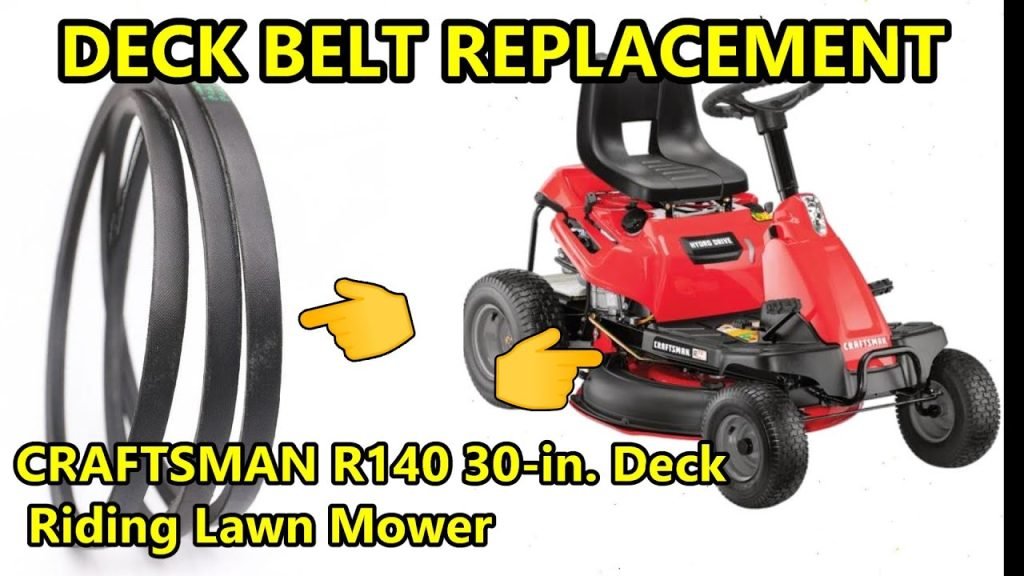
Is your mower not working like it used to? A worn-out or broken mower belt might be the problem.
Knowing how to remove your mower belt quickly and safely can save you time and money. In this guide, you’ll find simple steps that anyone can follow—no special tools or skills needed. Keep reading to get your mower back in top shape and avoid costly repairs.
Tools Needed
Removing a mower belt requires specific tools to make the job easier and safer. Having the right tools ready helps avoid damage to the mower. It also saves time and effort during the process.
Gathering these tools before starting ensures smooth work. Each tool plays a role in loosening, removing, or adjusting parts safely.
Socket Wrench Set
A socket wrench set helps remove bolts holding the belt and covers. Different sizes fit various bolt heads on the mower. This tool provides the needed torque to loosen tight bolts.
Screwdrivers
Both flathead and Phillips screwdrivers are useful. They help remove screws securing covers or guards. Screwdrivers assist in prying parts gently without damage.
Pliers
Pliers grip and pull small components or clips. Needle-nose pliers reach tight spots easily. They help in handling springs or belt tensioners safely.
Work Gloves
Wearing work gloves protects hands from cuts and dirt. Gloves improve grip on tools and parts. Safety is important when dealing with sharp edges.
Flashlight
A flashlight brightens dark areas under the mower deck. Good lighting helps spot bolts, screws, and belt routing clearly. It reduces mistakes and speeds up work.
Credit: www.searspartsdirect.com
Safety Precautions
Safety comes first when removing a mower belt. Taking proper precautions prevents injuries and protects the mower. Simple safety steps make the task easier and safer.
Always prepare the mower and workspace before starting. Clear the area and gather all needed tools. Staying cautious helps avoid accidents and damage.
Turn Off And Disconnect The Mower
Switch off the mower completely. Remove the key from the ignition. Disconnect the spark plug wire to stop accidental starts. This step is critical for safety.
Wear Protective Gear
Put on gloves to protect your hands from sharp parts. Use safety glasses to shield your eyes from debris. Proper gear reduces risk during the belt removal process.
Work On A Stable Surface
Place the mower on a flat and level surface. Avoid working on uneven or slippery ground. A steady base keeps the mower from tipping over.
Use Proper Tools
Have the right tools ready, like wrenches and screwdrivers. Using correct tools prevents damage and makes the job faster. Avoid makeshift or damaged tools for safety.
Follow Manufacturer’s Instructions
Read the mower’s manual for specific safety advice. Follow the recommended steps for belt removal. Manufacturer instructions help prevent mistakes and hazards.
Locate The Mower Belt
Before you dive into removing your mower belt, the first thing you need to do is locate it correctly. Knowing exactly where the mower belt sits will save you time and frustration. It can be tricky if you haven’t looked under your mower’s deck before, but once you spot it, everything else becomes much easier.
Check Under The Mower Deck
The mower belt usually runs beneath the mower deck. To find it, tilt your mower gently or lift the deck if your model allows it. Look for a long, looped rubber belt wrapped around pulleys or wheels under the cutting area.
Identify The Pulley System
Look closely at the pulleys where the belt loops. These pulleys control the blades and the engine’s power transfer. Spotting how the belt fits around these pulleys helps you understand how to remove and reinstall it later.
Consult Your Mower’s Manual
If the belt isn’t obvious, your mower’s manual is a great resource. It often includes diagrams showing the belt’s exact location and routing. This can prevent guesswork and protect your mower from accidental damage.
Look For Belt Covers Or Guards
Many mowers have protective covers over the belt area. These covers keep debris out but must be removed to access the belt. Check for screws or clips holding these guards in place and remove them carefully.
Consider Belt Condition During Inspection
While locating the belt, check its condition too. Look for cracks, fraying, or signs of wear. Noticing these early can help you decide if the belt needs replacement rather than just removal.
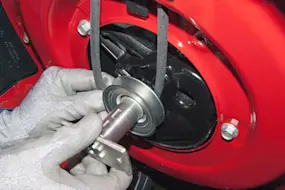
Credit: www.searspartsdirect.com
Release Belt Tension
Loosen the belt tension by moving the tensioner or loosening the adjustment bolt. This step makes it easier to slide the mower belt off the pulleys safely. Without releasing tension, the belt can be hard to remove and may cause damage.
Removing the mower belt can be a daunting task if you don’t know where to start. One crucial step is releasing the belt tension, which allows for easy removal and replacement. Without properly releasing the tension, you risk damaging both the belt and the mower.Identify The Tension Mechanism
First, locate the tension mechanism on your mower. This is usually a tensioner pulley or a spring-loaded arm. Consult your mower’s manual for specific details if needed. Understanding how your mower’s tension system works is key to safely releasing the tension.Use The Proper Tools
Make sure you have the right tools on hand. Typically, a wrench or socket set is required to loosen the tensioner. Having the correct size ensures you won’t strip bolts or damage components. It’s always a good idea to have a few extra tools ready, just in case.Loosen The Tensioner
Carefully use your tools to loosen the tensioner. Turn the wrench or socket in the direction indicated in your manual. This often involves turning counterclockwise. Remember, the goal is to release tension, not remove the tensioner entirely.Check For Safety
Before proceeding, ensure that the belt is loose enough to be removed. Double-check that the tensioner is secure in its loosened state. Safety should always be your priority to prevent injuries or damage to your mower.Observe And Learn
Take this opportunity to observe how the belt is routed. Make a mental note or take a photo for future reference. This will make re-installation much easier and stress-free. Have you ever struggled with a mower repair? Share your experiences or tips in the comments below!Remove The Old Belt
Removing the old mower belt is the first step in replacing it. This task requires care to avoid damaging parts. Start by preparing your mower and creating a safe workspace. Understanding the belt’s path helps make removal easier.
Disconnect the spark plug wire to prevent accidental starting. This safety step is crucial before handling any mower parts. Wearing gloves protects your hands from sharp edges and dirt.
Access The Belt Area
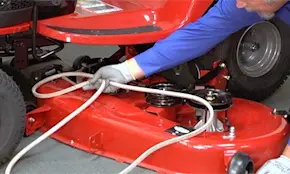
Remove the mower deck or open the cover to see the belt clearly. Use tools like screwdrivers or wrenches if needed. Clear away debris or grass clippings around the belt for better visibility.
Locate the tensioner pulley that keeps the belt tight. Move it to loosen the belt’s grip. Some mowers have a spring-loaded tensioner; carefully pull or push it to release tension.
Remove The Belt From Pulleys
Slide the belt off the pulleys one at a time. Follow the belt’s path around blades and engine pulleys. If the belt is stuck, gently wiggle it free without forcing.
Inspect The Old Belt
- Check for cracks, frays, or worn spots.
- Look for signs of glazing or stretching.
- Note any damage to guide your replacement choice.
Inspect Pulleys And Components
Inspecting the pulleys and components is a key part of removing a mower belt. This step helps spot problems that may cause belt wear or failure. Careful examination ensures smooth mower operation and extends belt life.
Look closely at each pulley. Check for cracks, rust, or wear on the surface. Damaged pulleys can cause the belt to slip or break. Make sure the pulleys spin freely without resistance or noise.
Examine the belt tensioner and idler pulleys. These parts keep the belt tight and aligned. If they are worn or stuck, the belt may not run properly. Replace any faulty components to avoid future issues.
Inspect the mower deck and spindle assembly too. Debris or rust in these areas can affect belt performance. Clean any dirt or grass build-up to ensure smooth pulley movement.
Check Pulley Alignment
Proper pulley alignment is crucial for belt function. Misaligned pulleys cause uneven wear and belt damage. Use a straight edge or ruler to see if pulleys line up correctly. Adjust as needed to maintain alignment.
Look For Worn Or Damaged Bearings
Bearings help pulleys rotate smoothly. Worn bearings cause noise and pulley wobble. Spin each pulley by hand and listen for grinding sounds. Replace any bearings that feel rough or loose.
Clean Pulleys And Remove Debris
Dirty pulleys can cause belt slipping. Use a brush or cloth to clean dirt and grass. Remove any stuck debris around pulleys and components. This keeps the belt running smoothly and extends its life.
Inspect Belt Tensioner Function
The belt tensioner maintains correct belt tightness. Press the tensioner arm and check for smooth movement. A stiff or stuck tensioner needs repair or replacement. Proper tension prevents belt slipping and wear.
Install The New Belt
Installing the new mower belt might seem tricky at first, but with a clear approach, you can do it smoothly. The key is to keep track of the belt’s path and ensure it fits snugly around all the pulleys. Let’s break down the process to make it simple and effective.
Check The Belt Orientation And Routing
Before slipping the new belt into place, examine the belt for any directional arrows or instructions. Some belts have a specific side that should face outward. Follow the original routing path carefully—if you took a photo before removing the old belt, now’s the time to use it.
Position The Belt Around The Pulleys
Start by looping the belt around the smallest pulley or the engine pulley first. Then, guide it around the larger deck pulleys. Make sure the belt sits fully in the grooves of each pulley without twisting. A twisted belt can cause uneven wear or even damage the mower.
Tighten The Belt Using The Tensioner
Engage the belt tensioner arm to create the right amount of tension on the belt. If your mower has a spring-loaded tensioner, pull it back gently to slip the belt over and then release it. If it uses an adjustable tensioner, tighten it until the belt feels firm but not overly stretched.
Test The Belt Installation
Manually rotate the pulleys to see if the belt moves smoothly and stays aligned. This test helps spot any misalignment before you power up the mower. Ask yourself: Does the belt stay in the track without slipping off? If not, double-check the routing and tension.
Adjust Belt Tension
Adjusting the belt tension is a key step in removing the mower belt safely and efficiently. If the belt is too tight, it can be tough to slide it off the pulleys. Too loose, and it might slip or not operate correctly once reinstalled.
Understanding the right tension helps you avoid damage to the belt or mower parts. Have you ever struggled with a belt that just wouldn’t budge? Adjusting tension often solves that problem quickly.
Locate The Tensioner Mechanism
The tensioner is usually a spring-loaded arm or a bolt that controls how tight the belt sits on the pulleys. Check near the mower’s engine or deck for a metal arm with a pulley attached. This arm keeps the belt tight during operation.
Some models have a manual adjustment bolt instead of a spring. Knowing exactly where this part is helps you release tension without forcing the belt off.
Release The Tension
To remove the belt, you need to release the tensioner arm or loosen the adjustment bolt. If it’s spring-loaded, gently push or pull the arm away from the belt to slacken it. Use gloves to protect your hands from sharp edges or hot parts.
For bolt-adjusted tensioners, turn the bolt counterclockwise to reduce tension. This frees the belt enough to slip it off the pulleys without damage.
Check Belt Condition During Tension Adjustment
While adjusting tension, inspect the belt for cracks, fraying, or glazing. A worn belt can stretch or snap if tension isn’t right. Noticing damage early saves you from bigger problems later.
Have you ever found a worn belt only after it broke mid-mowing? Adjusting tension gives you a perfect chance to catch these issues.
Test The Belt After Adjustment
Once the belt is off, adjust the tensioner back to its normal position. Reinstall the belt and give it a gentle tug to check tension. It should feel snug but have a slight give—around half an inch of play is usually right.
Too tight or too loose? Adjust again. Getting this right ensures your mower runs smoothly and the belt lasts longer.
Test The Mower
Check the mower’s belt tension before removal to ensure safety and proper handling. Disconnect the spark plug to avoid accidental starts. Loosen the belt by moving the tensioner or removing any guards blocking access.
Testing the mower after replacing the belt is a crucial step to ensure everything is functioning smoothly. Imagine spending time and effort on replacing the belt, only to find out there’s still an issue. Testing prevents future headaches and ensures your mower is ready for action when you need it.Check The Belt Alignment
Once you’ve replaced the belt, confirm it’s properly aligned. Misalignment can cause unnecessary wear and tear. A simple visual inspection can save you from future problems.Start The Mower Safely
Ensure you’re in a safe environment before starting the mower. Clear the area of any debris that might become hazardous. Safety comes first, always.Listen For Unusual Noises
As the mower runs, pay attention to any unusual sounds. A smooth, consistent noise indicates a healthy belt. Any strange sounds might signal further adjustments are needed.Test The Cutting Performance
Cut a small patch of grass to test the mower’s performance. Observe the quality of the cut. If the grass is cut cleanly and evenly, your belt replacement was successful.Inspect For Vibration
Feel for any excessive vibration while the mower is running. Excessive vibration could mean the belt isn’t seated correctly. A well-fitted belt should result in minimal vibration.Recheck After Initial Use
After the initial test, use the mower for a more extended period. Recheck the belt alignment and tension. Regular checks ensure the longevity of your new belt. Taking the time to test your mower thoroughly can save you from unexpected breakdowns. Have you ever skipped testing and regretted it later? Let this be a gentle reminder of its importance.
Credit: www.reddit.com
Troubleshooting Common Issues
Troubleshooting common issues during mower belt removal helps avoid damage and saves time. Problems often arise due to belt tension, debris, or worn parts. Understanding these issues makes the process smoother and safer.
Many mower belts become stuck because of rust or dirt buildup. Cleaning the area around the belt first can ease removal. Sometimes, the belt may snap or tear if it is old or brittle.
Incorrect belt routing can also cause problems. The belt must follow the correct path around pulleys and tensioners. A wrong route leads to slipping or jamming.
Identifying Belt Tension Problems
Check if the belt feels too tight or too loose. A tight belt is hard to remove and strains parts. A loose belt slips and reduces mower performance. Use the mower’s manual to adjust tension properly.
Dealing With Belt Slippage
Slippage happens when the belt can’t grip the pulleys well. Look for worn or oily pulleys that cause slipping. Clean pulleys and replace a worn belt to fix this issue.
Removing A Stuck Belt Safely
Apply gentle pressure to avoid breaking the belt. Use tools like a flathead screwdriver to pry the belt if needed. Avoid forcing it too much to prevent damage.
Checking For Belt Wear And Damage
Inspect the belt for cracks, fraying, or missing teeth. Replace the belt if signs of wear appear. Using a damaged belt reduces mower efficiency and safety.
Ensuring Proper Belt Routing
Refer to the mower’s belt diagram to confirm correct routing. Misrouted belts cause noise and poor cutting. Follow the diagram for smooth operation and easy removal later.
Frequently Asked Questions
How Do I Safely Remove A Mower Belt?
First, disconnect the mower from power. Then, release belt tension by loosening the tensioner. Carefully slide the belt off the pulleys. Always follow your mower’s manual for specific steps.
What Tools Are Needed To Remove A Mower Belt?
Typically, you need a wrench or socket set to loosen bolts. A screwdriver may be required to remove covers. Having pliers handy can help with tensioners or clips. Check your mower model for exact tools.
How Often Should I Replace My Mower Belt?
Replace the belt if it shows cracks, fraying, or slipping. Generally, mower belts last 2-3 years with regular use. Inspect the belt before each mowing season to ensure optimal performance.
Can I Remove The Mower Belt Without Removing The Deck?
Yes, some mower models allow belt removal without deck removal. Loosen the belt tensioner and slide the belt off pulleys. Consult your mower’s manual to confirm if this applies to your model.
Conclusion
Removing a mower belt is not as hard as it seems. Follow the steps carefully and take your time. Use the right tools to avoid damage or injury. Check the belt for wear before replacing it. A good mower belt helps your machine work well.
Keep your mower clean and maintained for longer life. Practice these tips to handle mower belts with ease. You can do it!