
If your lawn mower isn’t starting or running smoothly, the spark plug might be the culprit. Knowing how to remove your lawn mower spark plug is a simple skill that can save you time and money.
In this guide, you’ll learn the easy steps to take out the spark plug safely and quickly. By the end, you’ll feel confident handling this task yourself, so your mower gets back to work without any hassle. Keep reading to discover how a small fix can make a big difference in your lawn care routine.
Tools Needed
Removing a lawn mower spark plug needs a few essential tools. A spark plug wrenchor a socket wrenchwith the right size socket is the main tool. This helps to fit snugly over the spark plug and loosen it easily.
A ratchet handleor a breaker bargives better grip and torque. A spark plug gap gaugechecks the gap on the new or old spark plug. It ensures the plug works well.
- Optional accessoriesinclude a wire brushto clean spark plug threads.
- A dielectric greasehelps protect the plug from moisture.
- Gloveskeep hands safe from dirt and heat.

Credit: www.youtube.com
Safety Precautions
Always disconnect the spark plug wire before starting to avoid accidental engine starts. Wear gloves and eye protection to prevent injuries from sharp parts or debris. Ensure the mower is on a flat surface and completely cool before working on it.
Disconnecting The Spark Plug
Always turn off the lawn mowerbefore starting any work. Remove the spark plug wirecarefully to stop the engine from starting accidentally. Hold the boot, not the wire, to avoid damage. Check the area around the spark plug for dirt and debris. Clean it gently before removal. This prevents dirt from falling into the engine.
Protective Gear
Wear glovesto protect your hands from cuts and dirt. Use safety glassesto keep dust and small debris out of your eyes. Closed-toe shoes are important to protect your feet. Long sleeves and pants help avoid scratches and insect bites while working outside. Safety is key to a smooth and accident-free job.
Locating The Spark Plug
The spark plug usually sits on the engine’s side or top, near the fuel tank. Look for a thick wire connected to a small metal part—this is the spark plug.
The spark plug is usually on the side of the engine. Look for a thick black wire connected to it. This wire is called the spark plug wire. Check the engine’s top or side to spot it. Some mowers have a plastic cover over the engine. You might need to remove this cover first. The spark plug has two main parts. The metal tip is where the spark happens. The ceramic part insulates the metal. The wire connects to the metal tip. Ensure the plug is not dirty or rusty. If it is, it might not work well. Clean it with a dry cloth if needed. Keep the plug safe and in good shape. `Removing The Spark Plug
Start by cleaning around the spark plug. Dirt and debris can fall into the engine if not removed. Use a small brush or cloth to wipe the area gently. This keeps the engine safe and clean.
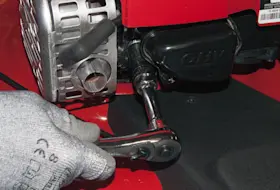
Use a spark plug wrenchthat fits the plug well. Turn it counterclockwiseto loosen the plug. Be careful not to force it too hard to avoid damage.
If the spark plug feels stuck, try these tips:
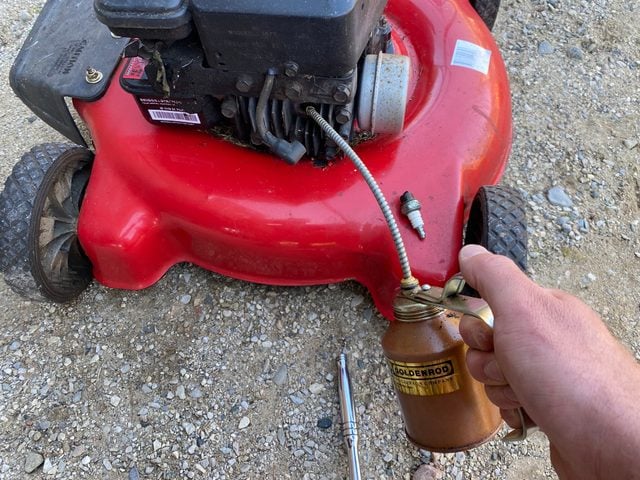
- Spray a little penetrating oilaround the base and wait a few minutes.
- Gently wiggle the wrench while turning to break the rust or dirt.
- Avoid using too much force to prevent breaking the plug.
Inspecting The Spark Plug
The spark plug should be checked closely for any wearor damage. Look for cracks, carbon buildup, or burnt areas on the ceramic part. The metal electrode should not be worn down or broken.
Signs that the spark plug needs replacement:
- Engine misfiresor runs rough.
- Visible damage or heavy carbon deposits.
- Difficulty starting the lawn mower.
- The spark plug is oldor has been used for a long time.
Replacing the spark plug on time helps keep the lawn mower running smoothlyand efficiently.
Credit: www.searspartsdirect.com
Reinstalling Or Replacing Spark Plug
Always ensure the spark plug is cleanbefore reinstalling. Insert it gently by hand to avoid cross-threading. Tighten with a spark plug wrench until snug, then give a small extra turn for a proper seal. Avoid over-tightening to prevent damage.
Check the spark plug gap using a feeler gauge. The gap affects engine performanceand fuel efficiency. Adjust the gap by gently bending the ground electrode. Follow the manufacturer’s recommended gap size for best results.
| Gap Size | Adjustment Tip |
|---|---|
| Too Small | Bend ground electrode slightly outward |
| Too Large | Bend ground electrode slightly inward |
| Correct Gap | Confirm with feeler gauge, then install plug |
Testing The Lawn Mower
First, check if the engine starts at all. A spark plug that is dirty or worn can stop the engine from running smoothly. Pull the starter cord gently to see if the engine turns over. If the engine doesn’t start, the spark plug might be faulty.
Listen for unusual sounds like sputtering or coughing. These sounds can mean the spark plug is weak. Also, look for black soot or oil on the plug; this shows it needs cleaning or replacing. A clean spark plug helps the engine run well.
- Check the spark plug gap with a gap tool.
- Clean any dirt or debris from the plug.
- Replace the spark plug if it looks damaged or worn out.
- Make sure the spark plug wire is connected tightly.
Credit: www.familyhandyman.com
Frequently Asked Questions
How Do I Safely Remove A Lawn Mower Spark Plug?
First, ensure the mower is off and cool. Disconnect the spark plug wire. Use a spark plug socket and ratchet to turn it counterclockwise. Remove the plug gently to avoid damage. Always handle with care for safety and tool longevity.
What Tools Are Needed To Remove A Spark Plug?
You need a spark plug socket, a ratchet wrench, and an extension bar if necessary. These tools fit the spark plug securely and help you loosen or tighten it without damage. Proper tools ensure a smooth and safe removal process.
How Often Should I Replace My Lawn Mower Spark Plug?
Replace the spark plug every 25 hours of use or once per mowing season. Regular replacement improves engine performance and fuel efficiency. Check the plug for wear or carbon buildup, which also signals a need for replacement.
Can I Clean Instead Of Replacing The Spark Plug?
Yes, if the spark plug is dirty but not worn out. Use a wire brush to clean carbon deposits gently. Inspect the electrode and insulator for damage. Clean plugs can restore engine performance, but damaged ones must be replaced.
Conclusion
Removing a lawn mower spark plug is simple and quick. Always make sure the mower is off before starting. Use the right tools to avoid damage. Clean the area around the plug to keep dirt out. Take your time and follow each step carefully.
This helps your mower run smoothly and last longer. Regular spark plug checks improve performance and save money. Now you can handle this task with confidence and ease.





