If your lawn mower isn’t starting or running smoothly, the spark plug might be the problem. Knowing how to remove your lawn mower spark plug is an easy skill that can save you time and money.
You’ll learn simple, step-by-step instructions to get the job done quickly and safely. By the end, you’ll feel confident tackling this basic maintenance task yourself—and your mower will thank you for it. Keep reading to find out how to get started!
Credit: www.searspartsdirect.com
Tools Needed
Removing a lawn mower spark plug requires a few simple tools. Having the right tools makes the job quick and safe. Each tool plays a specific role in the process. Prepare all tools before starting to avoid interruptions.
Spark Plug Wrench
A spark plug wrench fits perfectly around the plug. It provides the grip needed to loosen or tighten the spark plug. This tool helps prevent damage to the spark plug or engine parts. Choose a wrench that matches your spark plug size.
Socket Set
A socket set offers various sizes for different bolts and nuts. It often includes a ratchet handle for easy turning. A socket can remove the spark plug if a wrench is unavailable. Make sure the socket size fits the spark plug snugly.
Clean Cloth
A clean cloth is essential to wipe dirt and debris. Cleaning the area around the spark plug prevents debris from falling into the engine. It also helps you hold the spark plug securely without slipping. Use a dry cloth for best results.
Safety Precautions
Before you start removing the spark plug from your lawn mower, prioritizing safety is essential. Ignoring safety precautions can lead to accidents or damage to your mower. Taking a few simple steps can protect you and ensure the task goes smoothly.
Disconnecting The Spark Plug Wire
Always disconnect the spark plug wire before touching the spark plug itself. This step prevents accidental engine starts, which could cause serious injury. Grip the wire by the boot, not the wire itself, to avoid damaging it.
Think about the last time you handled your mower—did you ever accidentally start it? Disconnecting the wire stops that risk immediately. It’s a small action that offers big peace of mind.
Working In A Well-ventilated Area
Gasoline fumes from your lawn mower can build up quickly and pose health risks. Work outside or in an open garage to ensure fresh air circulates. Avoid enclosed spaces to reduce the chance of inhaling harmful fumes.
Have you noticed how strong the smell of fuel can get when you’re indoors? That’s a clear sign you need better airflow. Fresh air keeps you safe and helps the task feel less overwhelming.
Locating The Spark Plug
Locating the spark plug is the first step in removing it from your lawn mower. The spark plug ignites the fuel in the engine, so it is essential to find it before any maintenance. Knowing where to find the spark plug helps avoid confusion and speeds up the process. Most mowers have the spark plug placed in a similar spot, making it easier to locate.
Understanding the spark plug’s position and the parts connected to it will make removal safe and straightforward. Identifying the spark plug wire is key, as it connects directly to the plug and must be detached carefully. This section will guide you through finding the spark plug and recognizing its wire.
Finding The Spark Plug On Your Mower
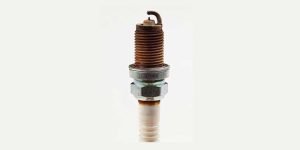
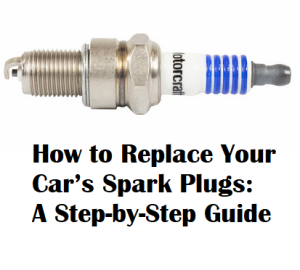
The spark plug sits on the side or top of the engine block. It looks like a small metal cylinder with a white insulator around the middle. Most spark plugs have a hexagonal shape for a wrench to fit. You can spot it by looking for a short metal tube with a wire attached. The engine may have a cover that needs to be removed first. Check the engine manual if unsure about the spark plug’s exact location.
Identifying The Spark Plug Wire
The spark plug wire connects directly to the top of the spark plug. It is usually a thick, insulated wire that carries the electrical spark. The wire ends with a boot that fits snugly over the spark plug’s tip. Gently pull the boot to disconnect the wire; do not pull the wire itself. The wire is often black or red and stands out against the engine parts. Identifying this wire correctly prevents damage during removal.

Credit: www.youtube.com
Removing The Spark Plug
Removing the spark plug is a key step in lawn mower maintenance. It helps check the condition and replace the plug if needed. Doing this safely keeps the mower running well. Follow these simple steps to remove the spark plug correctly.
Cleaning The Area Around The Plug
Start by cleaning the area around the spark plug. Dirt and debris can fall into the engine if not removed. Use a brush or a cloth to clear dust and grass clippings. This keeps the engine safe from damage. Make sure the area is dry before moving on.
Using The Wrench To Unscrew The Plug
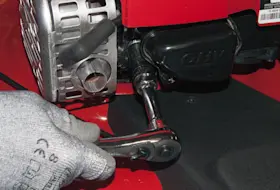
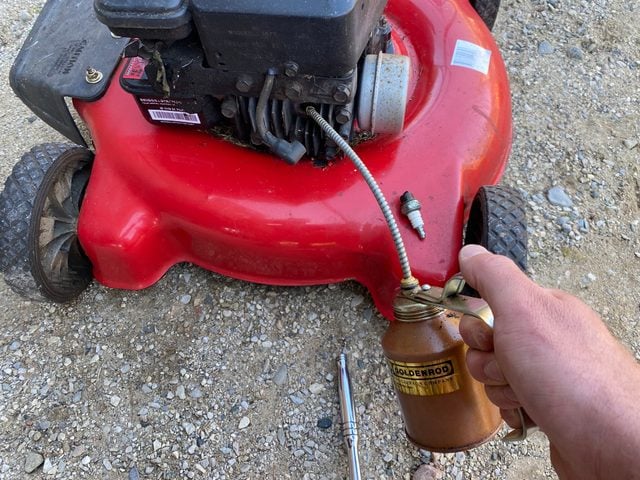
Next, use a spark plug wrench or socket to unscrew the plug. Turn it counterclockwise with firm but gentle pressure. Avoid forcing it to prevent breaking the plug. Once loose, carefully pull the plug out of the hole. Keep the plug for inspection or replacement.
Inspecting The Spark Plug
Inspecting the spark plug is a crucial part of maintaining your lawn mower’s engine performance. A quick check can save you from unexpected breakdowns and keep your mower running smoothly. Let’s look closely at how to spot issues and decide whether your spark plug needs replacing.
Checking For Wear And Damage
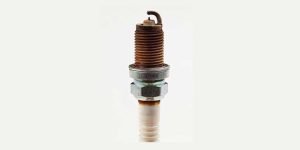
Start by examining the spark plug’s electrode and insulator carefully. Look for signs of wear such as rounded edges on the electrode or heavy carbon buildup on the insulator. Cracks, chips, or burns on the ceramic insulator are clear indicators that the spark plug has been stressed and may not function properly.
Also, check the metal casing for corrosion or rust. These issues can affect the spark plug’s connection and performance. Have you ever noticed your mower sputtering or struggling to start? That can often be traced back to a damaged or worn spark plug.
Determining If Replacement Is Needed
After inspecting, decide if the spark plug can be cleaned or must be replaced. If the electrode is severely worn down or the insulator is cracked, replacement is necessary. Cleaning can work if there’s just light carbon buildup or dirt—use a wire brush gently to avoid damage.
Remember, a spark plug that looks questionable usually signals deeper engine issues if left unchecked. If you’re unsure, replacing the spark plug is a low-cost way to ensure your mower runs reliably. Would you rather spend a few dollars now or face a costly repair later?
Reinstalling Or Replacing The Plug
Reinstalling or replacing the spark plug is crucial for your lawn mower’s performance. A properly installed spark plug ensures smooth engine start and steady running. Careful handling during this process avoids damage to the engine and plug.
Preparing The New Spark Plug
Check the new spark plug’s type and size. Match it to your mower’s specifications in the manual. Inspect the plug for any dirt or damage. Clean the threads lightly if needed.
Apply a small amount of anti-seize compound on the threads. This helps prevent the plug from sticking in the engine. Avoid getting the compound on the electrode or insulator.
Check the spark plug gap with a gap tool. Adjust the gap to match the recommended distance. This ensures optimal spark and engine performance.
Installing And Tightening The Plug
Insert the spark plug carefully into the cylinder head. Turn it by hand to avoid cross-threading. Hand-tighten until it feels snug.
Use a spark plug socket and ratchet to tighten further. Follow the torque specifications in your mower’s manual. Over-tightening can damage the threads or the plug.
If you don’t have a torque wrench, tighten the plug about a quarter turn after hand-tight. Reconnect the spark plug wire firmly on the terminal. Check that the wire is secure to avoid engine misfires.
Final Checks
Final checks ensure your lawn mower runs smoothly after spark plug removal. These steps prevent damage and confirm proper reassembly. Always handle parts carefully to avoid issues.
Reattaching The Spark Plug Wire
Connect the spark plug wire firmly to the top of the spark plug. A loose connection can stop the mower from starting. Make sure the wire snaps into place. Check for any dirt or debris on the wire or plug. Clean gently if needed before attaching.
Testing The Lawn Mower
Start the lawn mower in a clear area. Listen for any unusual sounds. The engine should run smoothly without sputtering. If it struggles to start, check the spark plug wire again. Confirm the spark plug is tightened properly. Testing now saves time later and keeps your mower ready for work.
Credit: www.familyhandyman.com
Frequently Asked Questions
How Do I Safely Remove A Lawn Mower Spark Plug?
First, disconnect the spark plug wire to avoid accidental starts. Use a spark plug socket wrench to turn the plug counterclockwise. Clean the area around the plug before removal to prevent debris from entering the engine.
When Should I Replace My Lawn Mower Spark Plug?
Replace the spark plug if the engine runs rough or won’t start. Also, change it annually or after 100 hours of use. A worn or fouled spark plug reduces mower efficiency and increases fuel consumption.
What Tools Do I Need To Remove A Spark Plug?
You need a spark plug socket wrench, a ratchet, and possibly an extension. These tools help you grip and turn the plug easily without damage. Make sure the tools fit your mower’s spark plug size.
Can I Clean And Reuse A Spark Plug?
Yes, you can clean a spark plug if it’s not damaged. Use a wire brush or spark plug cleaner to remove carbon deposits. However, replace it if the electrode is worn or cracked.
Conclusion
Removing a lawn mower spark plug is straightforward. First, gather your tools. A socket wrench is essential. Next, ensure the mower is off. Safety comes first. Carefully disconnect the spark plug wire. Then, use the wrench to remove the plug.
Check for damage or dirt. Replace if needed. Regular maintenance keeps your mower running smoothly. Remember to reconnect the wire securely. Following these steps ensures efficiency. Your lawn mower will thank you. Happy mowing and safe gardening!