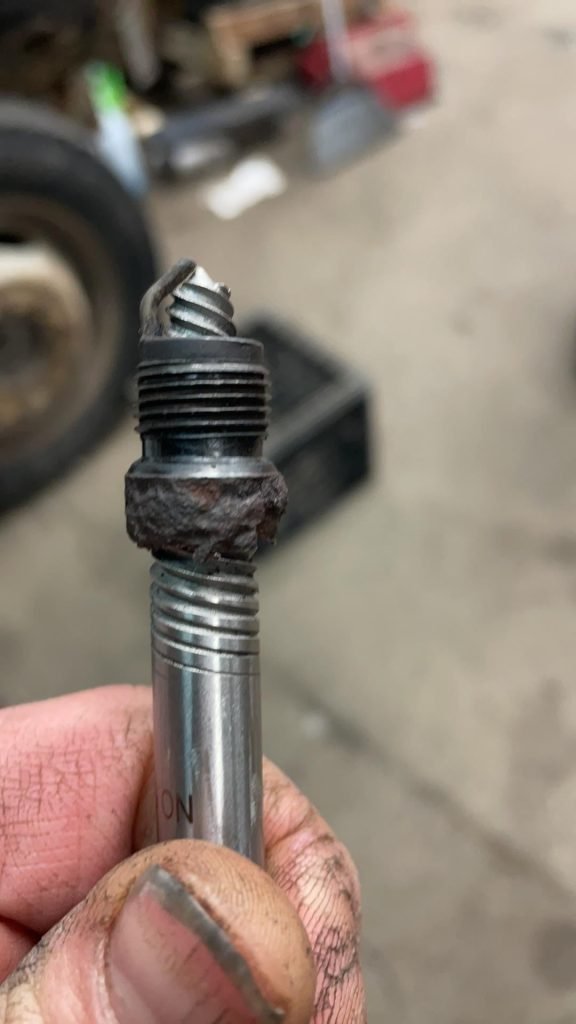
Struggling with a stripped spark plug can be one of the most frustrating experiences for any car owner or DIY enthusiast. You’ve probably been there, staring at your engine, feeling a mix of annoyance and helplessness.
But don’t worry; you’re not alone, and there’s a solution. Imagine being able to tackle this common car problem with confidence and ease. By the end of this article, you’ll know exactly how to remove a stripped spark plug without damaging your engine or wasting your time.
So, let’s get started and turn that daunting task into a simple and manageable fix. Your car—and your peace of mind—will thank you.

Credit: www.reddit.com
Signs Of A Stripped Spark Plug
Identifying a stripped spark plug early saves time and prevents engine damage. Signs show through engine behavior and physical inspection. Knowing these signs helps decide if removal and replacement are needed.
Common Symptoms
- Engine misfires or runs unevenly
- Difficulty starting the engine
- Loss of power during acceleration
- Unusual noises coming from the engine
- Check engine light turns on
- Fuel efficiency drops unexpectedly
These symptoms often mean the spark plug is not firing correctly. Stripped threads cause poor contact and affect engine performance.
Tools For Inspection
- Socket wrench with spark plug socket
- Flashlight for better visibility
- Magnifying glass to check threads closely
- Torque wrench to test tightness
- Thread chaser or tap for thread condition
Using these tools allows a clear check of the spark plug and its threads. Look for loose fit or damaged threads that indicate stripping.

Credit: www.odyclub.com
Preparing For Removal
Preparing for the removal of a stripped spark plug is essential for a smooth process. Proper preparation reduces the risk of further damage and saves time. It starts with gathering the right tools and ensuring your safety. These steps make the task easier and safer.
Gathering Necessary Tools
Collecting all required tools before starting helps you avoid interruptions. Essential tools include:
- Spark plug socket with a rubber insert
- Ratchet wrench and extension bar
- Penetrating oil to loosen the spark plug
- Broken spark plug extractor kit
- Torque wrench for reinstalling
- Safety gloves and eye protection
Having these tools ready speeds up the removal process.
Ensuring Safety Measures
Safety is crucial when working on your vehicle’s engine. Always work in a well-ventilated area. Ensure the engine is cool to avoid burns. Disconnect the battery to prevent electrical shocks. Wear gloves to protect your hands from sharp edges. Use safety goggles to shield your eyes from debris. These precautions keep you safe and prevent accidents.
Methods To Remove A Stripped Spark Plug
Removing a stripped spark plug can be frustrating, but several effective methods can help you get it out without causing further damage. Each technique has its own advantages depending on how stuck or damaged the plug is. Understanding these methods will empower you to tackle the problem confidently and save both time and money.
Using A Spark Plug Extractor
A spark plug extractor is designed specifically for this problem. It grips the stripped plug tightly, allowing you to turn it out without slipping. You simply insert the extractor onto the plug, apply steady pressure, and twist counterclockwise.
Many DIY mechanics find that the extractor works best after loosening the area with penetrating oil. If you don’t have one on hand, they are affordable and widely available at auto parts stores. Have you checked if your toolbox already has one?
Applying Penetrating Oil
Penetrating oil is a game-changer when dealing with stuck spark plugs. Spray it around the base of the plug and let it soak for at least 15-20 minutes. The oil seeps into the threads, loosening rust and debris that cause the plug to stick.
Sometimes, you may need to repeat the application a couple of times for stubborn plugs. This simple step often makes the difference between a smooth removal and stripped threads. Don’t underestimate how much a little patience can help here.
Tapping With A Hammer And Punch
If the plug refuses to budge, gently tapping it can break the rust seal. Use a small hammer and a punch or drift to tap around the spark plug’s edges. The vibrations help loosen the grip without damaging the cylinder head.
Be careful not to hit too hard; you want to avoid cracking the engine block or damaging the spark plug hole. This technique pairs well with penetrating oil and extractor use. Would you be comfortable trying this approach, or does it feel too risky?
Using Heat To Loosen The Plug
Applying heat causes metal to expand, which can break the bond holding the plug tight. Use a heat gun or propane torch to warm the area around the spark plug for a few minutes. Heat often makes rust and corrosion easier to break free.
Remember to be cautious with heat near sensitive engine parts and always let the engine cool down before starting. Heating works best combined with other methods like penetrating oil and careful extraction. Have you ever tried heating a stuck bolt or plug before?
Preventing Damage During Removal
Removing a stripped spark plug requires care to avoid further damage. Protecting the threads and surrounding parts is key. Using the right tools and techniques helps save time and money. Focus on gentle, steady actions to prevent worsening the problem.
Avoiding Common Mistakes
Do not use excessive force to remove the spark plug. Avoid using the wrong size socket or wrench. Never twist the spark plug back and forth rapidly. Avoid using rust removers that can damage metal parts. Do not forget to clean the area around the spark plug before removal.
Maintaining Proper Torque
Using a torque wrench ensures the spark plug is tightened correctly. Over-tightening can strip threads or break the plug. Under-tightening may cause poor engine performance. Follow the vehicle manufacturer’s torque specifications. Apply steady pressure while turning the wrench to avoid sudden slips.
Installing A New Spark Plug
Installing a new spark plug correctly is crucial to ensure your engine runs smoothly and efficiently. A poorly installed spark plug can lead to misfires, reduced fuel economy, and even engine damage. Paying attention to the right replacement and installation techniques will save you time and frustration.
Choosing The Right Replacement
Not all spark plugs are created equal. You need to select one that matches your vehicle’s make, model, and engine specifications.
Check your owner’s manual or consult a trusted parts retailer to find the exact type recommended for your car. Pay attention to the heat range, thread size, and electrode design.
Using a plug with the wrong heat range can cause overheating or fouling. Also, consider brands with a proven track record for durability and performance to avoid frequent replacements.
Proper Installation Techniques
Before installing, clean the spark plug hole to remove debris that might cause cross-threading or poor seating. Apply a small amount of anti-seize compound on the threads if the manufacturer advises it.
Hand-thread the new spark plug carefully to avoid stripping. If you feel resistance, stop and realign; forcing it can damage the cylinder head.
Use a torque wrench to tighten the spark plug to the recommended torque setting. Over-tightening can crack the plug or the engine head, while under-tightening leads to poor compression.
Have you ever thought about how a simple twist can affect your engine’s entire performance? Taking these extra moments during installation can prevent costly repairs down the road.
Tips To Avoid Future Stripping
Preventing spark plug stripping saves time and money. Taking simple steps helps keep spark plugs secure. These tips focus on maintenance and proper installation. Follow them to avoid future problems.
Regular Maintenance
Check spark plugs often for wear and damage. Replace old or worn plugs on time. Clean the threads gently to avoid dirt build-up. Use a torque wrench to ensure correct tightness. Inspect the spark plug holes for debris before installing. Keeping parts clean and in good shape reduces stripping risk.
Correct Installation Practices
Always use the right spark plug size for your engine. Hand-tighten the plug first to avoid cross-threading. Avoid forcing the plug with a wrench. Use a torque wrench to tighten to the manufacturer’s specs. Apply anti-seize compound on the threads if recommended. Proper installation protects the threads and the engine.
Credit: www.vwvortex.com
Frequently Asked Questions
How Do You Remove A Stripped Spark Plug Safely?
Use a spark plug extractor tool designed for stripped plugs. Apply penetrating oil and allow it to soak. Turn the plug counterclockwise gently to avoid further damage. Patience and proper tools ensure safe removal without harming the engine.
What Causes Spark Plugs To Become Stripped?
Spark plugs become stripped due to over-tightening or cross-threading during installation. Using the wrong size socket or excessive force also damages the threads. Heat cycles and corrosion can weaken threads, making removal difficult later on.
Can I Fix A Stripped Spark Plug Hole Myself?
Yes, you can repair a stripped spark plug hole using a thread repair kit. These kits restore damaged threads to their original size. Follow instructions carefully to avoid further damage. If unsure, consulting a professional mechanic is advisable.
What Tools Are Needed To Remove A Stripped Spark Plug?
Essential tools include a spark plug extractor, penetrating oil, ratchet wrench, and a thread repair kit. A torque wrench is useful for reinstalling the spark plug correctly. Proper tools make removal easier and prevent additional damage.
Conclusion
Removing a stripped spark plug takes patience and the right tools. Small steps can prevent damage to your engine. Using proper techniques makes the task easier and safer. Taking your time helps avoid costly repairs later. Now you can handle this common car problem yourself.
Keep your vehicle running smoothly with regular checks. Simple fixes like this save money and stress. Try these tips next time you face a stripped spark plug. You’ve got this!





