
Are you ready to tackle some basic lawn mower maintenance? Removing a spark plug might sound like a daunting task, but it’s actually easier than you think.
By knowing how to remove a spark plug from your lawn mower, you can keep your machine running smoothly and efficiently. Imagine your lawn mower starting up effortlessly every time, saving you time and frustration. Whether you’re a seasoned DIYer or a novice looking to understand your lawn mower better, this guide will walk you through the process step-by-step.
Stay with us to learn how you can perform this simple yet crucial task with confidence.
Credit: www.familyhandyman.com
Tools Needed
Removing a spark plug from a lawn mower requires the right tools. Having these tools ready makes the process smooth and safe. Each tool has a specific role in the task.
Prepare these tools before starting. It saves time and avoids frustration. Using the correct tools also prevents damage to the spark plug or engine parts.
Spark Plug Wrench
This tool fits snugly around the spark plug. It gives the right grip to loosen or tighten the plug. Spark plug wrenches are often included in lawn mower tool kits.
Socket Set
A socket set offers different socket sizes. This helps find the perfect fit for the spark plug. Using the right socket avoids slipping and stripping the plug.
Ratchet Or T-handle
A ratchet or T-handle attaches to the socket. It provides leverage to turn the spark plug wrench easily. Choose the tool you find most comfortable to use.
Gap Gauge
Use a gap gauge to check the spark plug gap. The correct gap ensures proper engine performance. Adjust the gap with the gauge before reinstalling the plug.
Cleaning Supplies
Cleaning supplies help remove dirt from the spark plug and surrounding parts. Use a wire brush and cloth for cleaning. Clean parts improve engine start and reduce wear.
Prepare The Lawn Mower
Preparing the lawn mower before removing the spark plug is essential. It ensures safety and makes the process easier. Taking the right steps avoids accidents and damage to the mower. Follow these simple preparations to get started.
Turn Off And Disconnect
Make sure the lawn mower is completely off. Remove the key if it has one. Disconnect the spark plug wire by pulling it off gently. This stops the mower from starting accidentally. Never work on the mower while it is on.
Locate The Spark Plug
Find the spark plug on the engine. It usually has a thick wire attached to it. Look near the top or side of the engine block. The spark plug looks like a small metal cylinder with a wire on one end. Clear visibility helps with easy removal.
Clean The Area Around Plug
Remove dirt and debris near the spark plug. Use a brush or cloth to clean the area. This stops dirt from falling into the engine when the plug is removed. A clean area helps keep the engine parts safe and functional.
Remove The Spark Plug
Removing the spark plug from your lawn mower is an essential task for maintenance and troubleshooting. It might seem tricky if you haven’t done it before, but with the right approach, you can get it done quickly and safely. Let’s break down the process into clear, manageable steps to help you avoid common mistakes and protect your mower’s engine.
Disconnect Spark Plug Wire
First, locate the spark plug wire, which usually has a rubber boot covering the plug’s top. Grip the boot firmly and pull it straight off the spark plug. Avoid tugging on the wire itself to prevent damage.
Disconnecting this wire is crucial because it cuts off the spark, ensuring the engine won’t accidentally start while you’re working. Have you ever tried to remove a plug without disconnecting the wire? It’s risky and unnecessary.
Use The Correct Socket
Next, choose a spark plug socket that fits snugly over the plug. These sockets are designed with a rubber insert or magnet to grip the plug securely during removal. Using the right size socket prevents rounding off the plug’s edges, which can make it much harder to remove.
If you don’t have a spark plug socket, a deep socket of the correct size can work, but it won’t hold the plug as firmly. Investing in the proper tool saves time and frustration, especially if you maintain your mower regularly.
Loosen And Extract The Plug
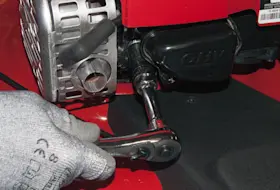
Attach a ratchet wrench to the socket and turn counterclockwise to loosen the spark plug. It may require some initial force if it’s been in place for a while. Once loosened, carefully pull the plug out by hand or with the socket.
Take a moment to inspect the spark plug’s condition. Is it dirty, oily, or damaged? What you see here can tell you a lot about your mower’s engine health and whether you need to replace the plug or clean it before reinstalling.
Credit: www.searspartsdirect.com
Inspect The Spark Plug
Inspecting the spark plug is a key step after removing it from the lawn mower. This check helps find problems that stop your mower from starting or running well. Careful inspection reveals if the spark plug needs cleaning or replacement.
Check For Wear And Damage
Look closely at the spark plug’s metal parts. Worn or broken electrodes reduce performance. Cracks in the porcelain insulator cause misfires. Bent or corroded connectors can stop the spark. Replace the spark plug if any damage is visible.
Assess Carbon Deposits
Carbon buildup on the spark plug shows poor combustion. Thick black deposits block the spark. Light brown or grayish deposits are normal. Clean the spark plug with a wire brush if deposits are heavy. Too much carbon means the engine may need tuning.
Measure The Electrode Gap
The gap between the center and side electrodes affects ignition. Use a feeler gauge to check this gap. The correct measurement is in the mower’s manual. Too wide or narrow gaps cause weak sparks or misfires. Adjust the gap by bending the side electrode gently.
Install A New Or Cleaned Spark Plug
Installing a new or cleaned spark plug is key to keeping your lawn mower running well. A properly installed spark plug ensures good ignition and smooth engine performance. This step requires care to avoid damage and guarantee the plug fits perfectly.
Set The Correct Gap
Check the spark plug gap with a feeler gauge. The gap is the space between the center and ground electrode. Use the mower’s manual to find the right gap size. Adjust the gap gently by bending the ground electrode. Too wide or too narrow a gap can cause poor engine starting.
Thread The Plug By Hand
Insert the spark plug into the cylinder head carefully. Turn it slowly with your fingers to avoid cross-threading. Hand threading helps the spark plug seat properly without damaging the threads. Stop when the plug feels snug and tight by hand.
Tighten To Specification
Use a spark plug socket and wrench to tighten the plug. Follow the torque value given in the manual. Over-tightening can strip the threads or break the plug. Under-tightening can cause poor contact and engine problems. Tighten until firm and then apply a slight extra turn as specified.
Test The Lawn Mower
Testing the lawn mower after reinstalling the spark plug is crucial. It ensures the engine runs properly and safely. This step confirms the spark plug is working and connected well. Follow these simple actions to test your lawn mower effectively.
Reconnect The Spark Plug Wire
Attach the spark plug wire firmly to the spark plug’s top. The connection must be tight to allow electricity flow. This step is essential for the spark plug to ignite the engine.
Start The Engine
Pull the starter cord or press the ignition button. Listen carefully as the engine tries to start. A well-connected spark plug helps the engine fire quickly and smoothly.
Listen For Smooth Operation
Pay attention to how the engine sounds after starting. A steady and smooth noise means the spark plug works well. Rough or uneven sounds may indicate a problem with the spark plug or connection.

Credit: www.youtube.com
Frequently Asked Questions
How Do I Safely Remove A Spark Plug From A Lawn Mower?
First, turn off the mower and disconnect the spark plug wire. Use a spark plug socket and wrench to turn the plug counterclockwise. Remove it gently to avoid damaging the threads or electrodes. Always wear gloves for protection.
What Tools Are Needed To Remove A Lawn Mower Spark Plug?
You need a spark plug socket, ratchet wrench, and possibly an extension bar. These tools fit the spark plug securely and help you turn it easily. Having gloves and a spark plug gap gauge is also useful for safety and maintenance.
When Should I Replace My Lawn Mower’s Spark Plug?
Replace the spark plug if it’s dirty, worn, or the engine runs poorly. Typically, change it every 25-50 hours of use or once per mowing season. Regular replacement ensures better engine performance and easier starts.
Can I Clean And Reuse A Spark Plug From A Lawn Mower?
Yes, you can clean the spark plug if it’s only dirty. Use a wire brush or spark plug cleaner to remove deposits. However, replace it if the electrode is worn or damaged for optimal engine function.
Conclusion
Removing a spark plug from a lawn mower is simple with the right steps. Always make sure the mower is off and cool before starting. Use the correct tools and work carefully to avoid damage. Taking time to clean and check the spark plug helps keep the mower running well.
Regular spark plug care can save you from bigger repairs later. Keep practicing these steps, and maintenance will feel easier every time. Ready to give your mower a fresh start?





