
Are you ready to tackle the task of removing your lawn mower’s spark plug? Whether you’re a seasoned gardener or a weekend warrior, knowing how to properly remove a spark plug can save you time and money.
Picture this: it’s a sunny Saturday morning, and you’re all set to mow your lawn, but your mower just won’t start. Frustrating, right? This simple maintenance task can be the difference between a perfectly manicured lawn and hours of unnecessary struggle.
By following a few straightforward steps, you can keep your mower running smoothly and avoid those annoying breakdowns. Stick with us as we guide you through this process, ensuring your mower is always ready to roll. You’ll be surprised at how easy it can be!

Credit: www.youtube.com
Tools Needed
Before you start removing the spark plug from your lawn mower, gathering the right tools is key. Having everything ready makes the job smoother and helps you avoid frustrating delays. Let’s break down exactly what you’ll need to get the job done efficiently and safely.
Essential Tools
First, you’ll need a spark plug socket that fits your mower’s spark plug. These usually come in 5/8 inch or 13/16 inch sizes, so check your manual or measure the plug to be sure.
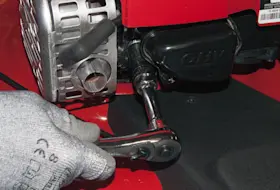
A ratchet wrench is necessary to turn the socket and loosen the spark plug. If you don’t have one, an adjustable wrench might work, but a ratchet makes the task much easier.
Additionally, a spark plug gap tool helps you check and adjust the gap if you plan to install a new plug. Having a clean rag handy is a good idea to wipe off any dirt around the plug before removal.
- Spark plug socket(5/8 inch or 13/16 inch)
- Ratchet wrench
- Spark plug gap tool
- Clean rag
Safety Gear
Safety always comes first, even for simple tasks. Wearing gloves protects your hands from dirt and sharp edges. It also improves grip when handling tools and the spark plug.
Eye protection is important too. Small particles can fly up when you’re loosening the plug, and you don’t want to risk eye injury.
Lastly, make sure your mower is off and cooled down. Working on a hot engine can cause burns, and disconnecting the spark plug wire prevents accidental starts.
- Protective gloves
- Safety glasses or goggles
- Ensured engine is off and cool
Credit: www.searspartsdirect.com
Prepare The Lawn Mower
Preparing the lawn mower is essential before removing the spark plug. This step ensures safety and easy access to the spark plug. Taking time to prepare helps avoid accidents and makes the process smoother.
Turn Off And Disconnect
Make sure the lawn mower is completely off. Remove the key if it has one. Disconnect the spark plug wire by pulling it gently. This stops the mower from starting accidentally.
Locate The Spark Plug
Find the spark plug on the mower’s engine. It usually has a thick wire attached. The spark plug is often near the top or side of the engine. Clean any dirt around it to see clearly.
Remove The Spark Plug
Removing the spark plug from your lawn mower is a straightforward task, but it requires some attention to detail. This step is essential for maintenance tasks like cleaning or replacing the plug, which can improve your mower’s performance. Let’s focus on how to safely and effectively remove the spark plug.
Clean Around The Plug
Before you touch the spark plug, clear away any dirt or debris around it. Dirt can easily fall into the engine cylinder if disturbed, causing damage. Use a small brush or compressed air to gently clean the area.
Keeping this area clean helps you avoid extra repairs later. Have you ever noticed your mower acting up after neglecting this simple step? It’s a small effort that saves you big headaches.
Use The Spark Plug Wrench
Grab a spark plug wrench or socket that fits snugly over the plug. This tool gives you the grip needed to turn and loosen the plug without stripping it. Turn the wrench counterclockwise with steady pressure.
Sometimes, the plug might feel stuck. Try rocking it gently back and forth instead of forcing it. That little trick helped me avoid damaging a stuck plug during my last mower tune-up.
Handle With Care
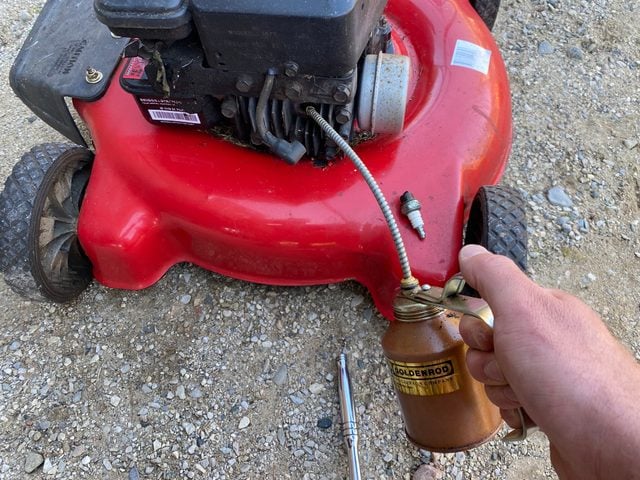
Once the plug loosens, remove it carefully by hand. Avoid dropping it; spark plugs are delicate and can break or crack easily. Put it on a clean surface to inspect or replace.
Inspect the plug’s condition before deciding your next step. Have you checked your spark plug lately? Sometimes, a quick look can tell you more about your mower’s health than you expect.
Credit: www.familyhandyman.com
Inspect The Spark Plug
Inspecting the spark plug is a crucial step after removal. It tells you a lot about your lawn mower’s condition and whether the spark plug is doing its job well. A careful check can save you time and money by pinpointing the real issue quickly.
Check For Wear And Damage
Look closely at the spark plug’s tip and threads. Is the electrode worn down or rounded off? Small cracks on the ceramic insulator or any build-up of black soot can also signal problems.
Rust or corrosion on the metal parts means moisture might be getting in. If the spark plug looks oily, it could mean your engine is burning oil. These signs are clues to what might be wrong with your mower.
Determine If Replacement Is Needed
Ask yourself: can this spark plug be cleaned and reused, or is it time to replace it? If the electrode is heavily worn or the insulator cracked, replacement is necessary.
Cleaning may work if the deposits are light, but don’t waste time if the plug looks damaged or old. Using a bad spark plug can cause poor engine performance and make your mower harder to start.
Have you ever tried to revive a spark plug only to find your mower still struggles? Sometimes, a fresh plug is the simplest fix. Keep a spare on hand to avoid downtime.
Install The Spark Plug
Installing the spark plug correctly ensures your lawn mower runs smoothly. Proper installation helps the engine start quickly and maintain power. Taking time to do it right avoids damage and costly repairs.
Choose The Right Plug
Select a spark plug that matches your mower’s engine model. Check the owner’s manual for the correct type and size. Using the wrong plug can cause poor engine performance or damage. Look for reliable brands that meet your mower’s specifications.
Threading And Tightening Tips
Start threading the spark plug by hand. This prevents cross-threading, which can damage the engine. Turn it gently until it fits snugly.
- Use a spark plug socket for proper grip.
- Do not force the plug; stop if resistance feels unusual.
- Tighten the plug with the correct torque, usually between 15-25 ft-lbs.
Over-tightening can crack the plug or the engine block. Under-tightening may cause poor contact and engine issues. Use a torque wrench if available for best results.
Test The Lawn Mower
After you’ve removed and cleaned or replaced your lawn mower’s spark plug, it’s crucial to test the mower to ensure everything is running smoothly. This step helps you catch any issues early before mowing your entire lawn. Testing the mower allows you to confirm that the spark plug is functioning properly and that the engine is firing up as it should.
Start The Engine
Turn the fuel valve on and set the choke to the appropriate position for a cold start. Pull the starter cord or press the ignition button, depending on your mower model. If the mower starts easily and runs consistently, it’s a good sign your spark plug is working well.
If the engine struggles to start or doesn’t start at all, double-check your spark plug installation or consider trying a new plug. Sometimes a simple adjustment, like tightening the spark plug or cleaning the electrodes again, can make a big difference.
Listen For Performance Issues
Pay close attention to the sound of the engine. A healthy mower engine runs smoothly without sputtering or backfiring. If you hear irregular noises or the mower runs unevenly, it might indicate problems with the spark plug or other engine components.
Have you ever noticed your mower stalling or losing power midway through your yard? That could be a spark plug issue. Testing the mower under different conditions—like varying throttle speeds or while engaging the blade—can give you a clearer picture of its performance.
Maintenance Tips
Maintaining your lawn mower’s spark plug is key to keeping the engine running smoothly. Simple care steps can extend the spark plug’s life and improve mower performance. Regular attention helps avoid unexpected breakdowns during yard work.
Regular Spark Plug Checks
Inspect the spark plug every 25 hours of use or at the start of each mowing season. Look for signs of wear, such as carbon build-up or a cracked insulator. Clean the plug gently with a wire brush if it appears dirty. Check the electrode gap with a feeler gauge. A correct gap ensures proper spark and engine efficiency.
When To Replace
Replace the spark plug if it shows heavy deposits, corrosion, or damage. A worn spark plug causes hard starting, poor performance, and increased fuel use. Change the spark plug at least once a year for best results. Use the manufacturer’s recommended type and gap size. Proper replacement keeps the mower running at its best.
Frequently Asked Questions
How Do I Safely Remove A Lawn Mower Spark Plug?
First, disconnect the spark plug wire to avoid accidental starts. Use a spark plug socket and wrench to turn it counterclockwise. Remove the plug gently to prevent damage. Always work on a cool engine for safety.
What Tools Are Needed To Remove Spark Plugs?
You need a spark plug socket, ratchet wrench, and possibly an extension bar. A spark plug gap tool helps inspect the gap. Having a clean rag is useful to wipe the area before removal.
How Often Should Lawn Mower Spark Plugs Be Replaced?
Replace spark plugs annually or after 25 hours of use. Dirty or worn plugs cause poor engine performance. Regular checks ensure optimal mower operation and prevent starting problems.
Can I Clean And Reuse A Spark Plug?
Yes, you can clean a spark plug using a wire brush or spark plug cleaner. Remove carbon deposits and check the gap. However, replace it if the electrode is damaged or heavily worn.
Conclusion
Removing a lawn mower spark plug is simple with the right steps. Always ensure the mower is off and cool before starting. Use the correct tools to avoid damage. Clean the spark plug area to keep dirt out. Take your time and follow each step carefully.
This helps your mower run smoothly and last longer. Regular spark plug checks improve mower performance. Now, you can handle this task with confidence and keep your lawn mower in good shape.





