Are you tired of seeing piles of grass clippings go to waste after mowing your lawn? What if you could turn those clippings into something valuable for your garden instead of just throwing them away?
Recycling your grass clippings is easier than you think, and it can save you time, money, and effort while making your lawn healthier. Keep reading to discover simple, practical ways you can recycle your grass clippings and make the most out of every cut.
Your garden—and the planet—will thank you!

Credit: www.epicgardening.com
Benefits Of Recycling Grass Clippings
Recycling grass clippingshelps return important nutrients back to the soil. These clippings contain nitrogen, phosphorus,and potassium, which plants need to grow strong. This natural process keeps the lawn healthy without extra fertilizer.
By recycling grass clippings, the amount of yard waste sent to landfills is greatly reduced. This helps lower pollution and saves space in waste centers. It also cuts down on the need to collect and transport grass clippings.
Grass clippings improve soil by adding organic matter. This helps the soil hold water and nutrients better. It also encourages healthy microbesthat support plant growth. Over time, the soil becomes richer and more fertile.
Preparing Your Lawn For Clipping Recycling
Choosing the right mowing heighthelps keep grass healthy. Cut grass too short, and it may stress the lawn. Taller grass blades catch more sunlight and grow stronger roots. This leads to less weed growth and better lawn health.
Using sharp mower bladesis important. Dull blades tear grass, causing brown tips and disease. Sharp blades make clean cuts, helping grass heal faster. Regularly check and sharpen mower blades for best results.
- Avoiding weeds and diseasekeeps clippings clean for recycling.
- Remove weeds before mowing to stop spreading seeds.
- Do not mow wet or sick grass to prevent diseases.
- Healthy grass clippings break down faster and nourish soil better.
Methods To Recycle Grass Clippings
Grasscyclingmeans leaving grass clippings on the lawn after mowing. These clippings break down quickly and return nutrientsto the soil. This helps the grass grow healthier and saves you from bagging and throwing them away.
Composting clippingsis another great way to recycle. Mix fresh grass clippings with dry leaves or straw to balance moisture. Turn the pile often to help it decompose. The result is rich compost that improves garden soil.
Using clippings as mulch protects plants and soil. Spread a thin layer around flowers or vegetables. This helps keep moisture in the ground and stops weeds. Mulch made from grass clippings also adds nutrients slowly as it breaks down.
Tips For Effective Grasscycling
Effective grasscycling involves leaving grass clippings on your lawn after mowing. This practice enriches the soil with nutrients, reducing the need for fertilizers. Ensure your mower blade is sharp and mow regularly to keep clippings short for optimal decomposition.
Mow Regularly
Regular mowing keeps grass short and healthy. Short grass breaks down faster. It enriches the soil. Aim to cut only a third of the grass height. This helps in leaving small clippings behind.
Avoid Clumping
Grass clumps can block sunlight. They stop water from reaching the roots. Use a mulching mower to chop clippings finely. Spread them evenly on the lawn. This ensures they decompose quickly.
Leave Small Clippings
Small clippings return nutrients to the soil. They act as natural fertilizer. Do not rake away these clippings. Let them settle into the grass. This helps the lawn grow greener and thicker.
Composting Grass Clippings Successfully
Composting grass clippings needs a good balance of greensand browns. Greens are fresh materials like grass, while browns include dry leaves or paper. Too many greens make the pile wet and smelly. Too many browns slow down the breakdown process.
Turn the compost pile often to add air. This helps the pile break down faster and stops bad smells. Use a pitchfork or shovel to mix the pile every few days.
Keep the pile moist, like a damp sponge. If it is too dry, the compost will stop working. Add water if needed. Too much water can cause bad smells, so avoid soaking the pile.
Using Grass Clippings As Mulch
Grass clippings make excellent mulchto protect plants. They form a soft layer on the soil surface. This layer helps keep the soil temperature steady and shields plant roots from harsh sun or cold.
Mulch made from grass clippings holds soil moisturewell. It slows down water evaporation, so plants stay hydrated longer. This means less frequent watering.
Grass mulch also helps in preventing weed growth. The thick layer blocks sunlight that weeds need to grow. It creates a natural barrier that stops many weeds from sprouting.
- Protects plants from temperature changes
- Keeps soil moist by reducing water loss
- Blocks sunlight to reduce weed growth
- Decomposes to add nutrients back to soil
Common Mistakes To Avoid
Using treated grasscan harm your garden. Grass with weed killers or chemicals should not be recycled. These substances may kill beneficial insects and plants. Always check if grass was treated before using clippings.
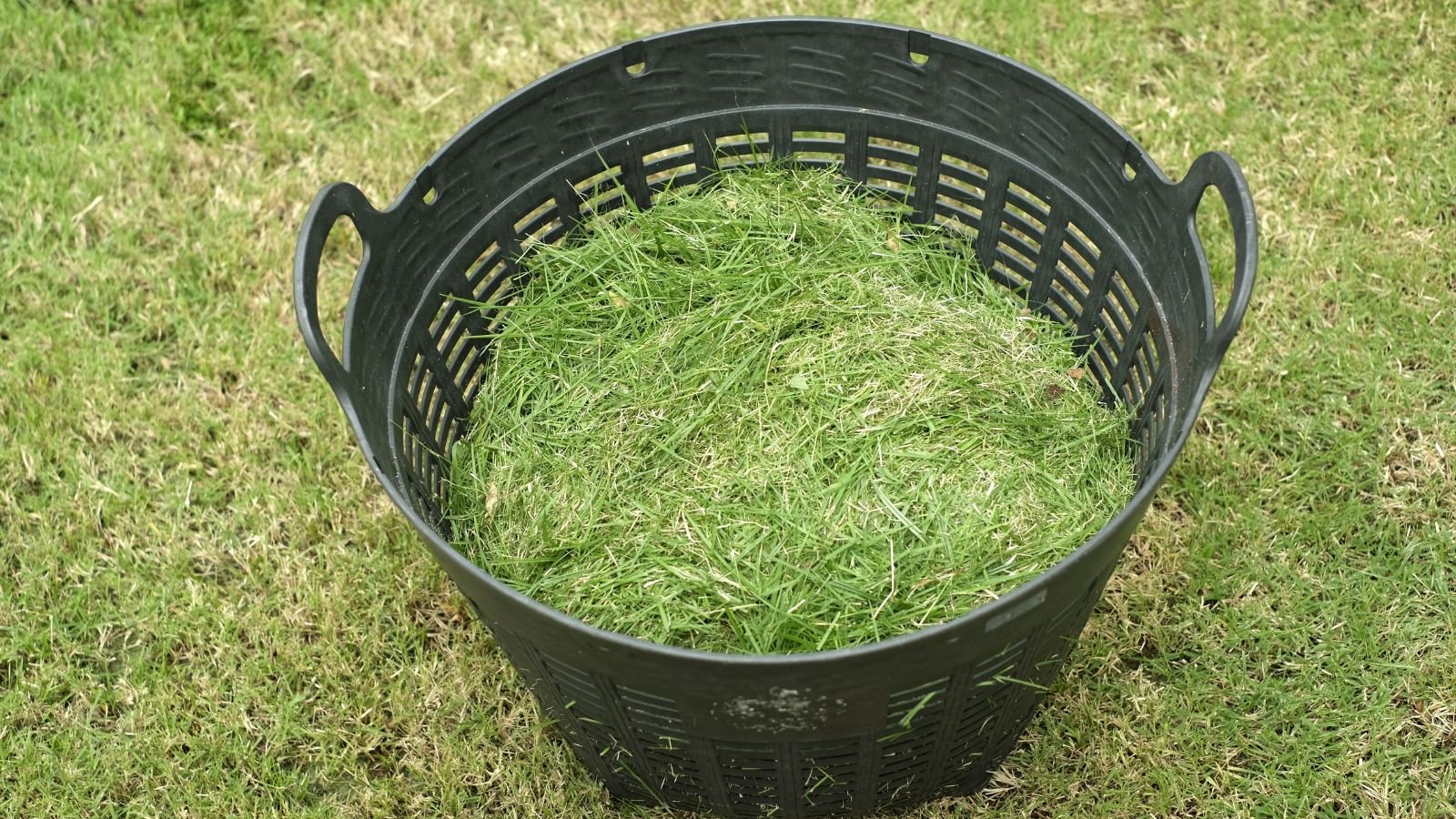
Leaving large clumpson the lawn blocks sunlight and air. This can cause grass to die and create mold. Spread clippings evenly to help them dry and decompose quickly.
Over-applying clippingscreates thick layers that smother the grass below. It stops water and nutrients from reaching roots. Use only a thin layer of clippings and mix them into the soil if possible.
Credit: www.epicgardening.com
Tools And Equipment To Assist Recycling
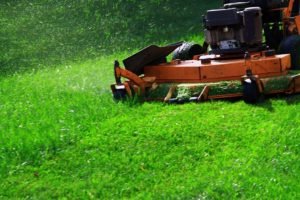
Mulching mowerscut grass into tiny pieces. These pieces fall back to the lawn, acting as natural fertilizer. They save time and reduce waste.
Compost binshelp turn grass clippings into rich soil. They keep clippings in one place and speed up decay. Compost bins also keep pests away.
Rakes and spreadersgather and spread grass evenly. Rakes collect clippings without damaging grass. Spreaders help distribute clippings or compost on the lawn.

Credit: www.reddit.com
Frequently Asked Questions
What Are The Benefits Of Recycling Grass Clippings?
Recycling grass clippings enriches soil with nutrients naturally. It reduces landfill waste and lowers greenhouse gas emissions. It also saves money on fertilizers and improves lawn health by retaining moisture and nutrients.
How Can I Compost Grass Clippings Effectively?
To compost grass clippings, mix them with dry leaves or paper. Ensure good airflow and maintain moisture. Turn the pile regularly to speed decomposition and prevent odor. Avoid composting clippings treated with pesticides.
Can Grass Clippings Be Used As Mulch?
Yes, grass clippings make excellent mulch. They help retain soil moisture, suppress weeds, and add nutrients as they decompose. Spread a thin layer to avoid matting and odor. Fresh clippings should be dried before mulching.
Is It Safe To Recycle Grass Clippings On Vegetable Gardens?
Recycling grass clippings in vegetable gardens is safe if clippings are pesticide-free. Use them as mulch or compost to add nutrients and improve soil structure. Avoid clippings from chemically treated lawns to prevent contamination.
Conclusion
Recycling grass clippings helps your garden and the environment. It reduces waste and adds nutrients to the soil. You can mulch them or compost for best results. This simple habit saves time and money. Start small and watch your garden grow healthier.
Easy steps lead to big benefits. Give your lawn a natural boost today.