Are you ready to unlock the secrets hidden under your car’s hood? Understanding how to read a spark plug can be your first step towards mastering vehicle maintenance.
Imagine being able to diagnose issues and enhance your car’s performance with a simple glance at this small, but mighty component. If you’re eager to save money, extend the life of your vehicle, and feel confident in your car knowledge, you’re in the right place.
This guide will take you through the steps to decipher your spark plug’s story, empowering you to take control of your car’s health like never before. Let’s dive in and discover what your spark plug has to say!
Spark Plug Basics
Understanding the basics of spark plugs is essential if you want to keep your engine running smoothly. These small components play a big role in igniting the fuel-air mixture inside your engine cylinders. Knowing how to read and interpret a spark plug can save you time and money on repairs.
Components And Functions
A spark plug has several key parts, each with its own job. The center electrodecarries the electrical current that creates the spark. Surrounding it is the insulator, which prevents the spark from jumping to the wrong place.
The metal shellscrews into the engine and helps transfer heat away from the plug. Finally, the ground electrodeis bent over the tip to create the gap where the spark actually jumps. This gap size affects how well your engine fires.
Have you ever wondered why your car hesitates during acceleration? A worn spark plug with a damaged electrode or incorrect gap might be the culprit.
Types Of Spark Plugs
Not all spark plugs are the same. You can find various types designed for different engines and conditions. Here are some common types:
- Copper Spark Plugs:Known for excellent conductivity but shorter lifespan.
- Platinum Spark Plugs:Offer longer life and better performance than copper.
- Iridium Spark Plugs:The most durable and efficient, often used in modern engines.
- Double Platinum or Double Iridium:Have electrodes on both center and ground sides for longer durability.
Choosing the right type depends on your vehicle’s make and how you drive. Have you checked your owner’s manual to see which spark plug suits your engine best?
Credit: carfromjapan.com
Signs From Spark Plug Appearance
Spark plugs reveal much about your engine’s health. Their appearance can tell if the engine runs well or needs care. A quick visual check helps spot issues early. Knowing what signs to watch saves time and money. Read the spark plug’s look for clear clues on engine condition.
Normal Wear Indicators
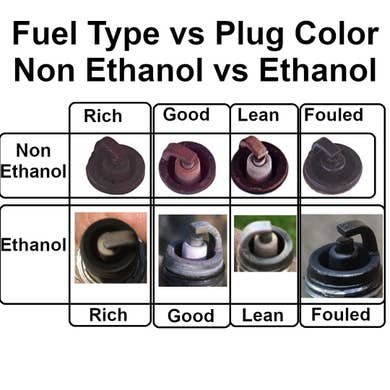
A healthy spark plug shows light tan or gray color on the electrode. This color means proper combustion. The electrode should have minimal wear and no cracks. A small amount of light ash deposits is normal too. The gap between electrodes stays close to factory settings. No oil or heavy soot should cover the plug.
Common Fault Patterns
- Black, Sooty Deposits:Indicates a rich fuel mixture or weak spark.
- Oily Coating:Shows oil leaking into the combustion chamber.
- White, Blistered Insulator:Suggests overheating or lean fuel mixture.
- Broken or Worn Electrodes:Means physical damage or extreme wear.
- Wet Spark Plug:Points to fuel flooding or bad ignition.
Decoding Color And Deposits
Understanding the color and deposits on your spark plug can reveal a lot about your engine’s health. These visual clues help you spot issues before they turn into costly repairs. By knowing what different colors and deposits mean, you can take action to keep your vehicle running smoothly.
Color Variations And Meanings
The color of your spark plug’s tip tells you how well your engine is burning fuel. A light tan or grayish color usually means your engine is running perfectly. This is the healthy baseline you want to see.
Black, sooty deposits indicate a rich fuel mixture, meaning too much fuel and not enough air. This can cause poor performance and increased emissions. On the other hand, white or blistered tips suggest the engine is running too hot, which can lead to damage.
Sometimes, you may notice oily deposits on the spark plug. This often means oil is leaking into the combustion chamber, which could signal worn piston rings or valve seals. Recognizing these colors early can save you from bigger engine problems down the road.
Types Of Deposits And Causes
| Deposit Type | Appearance | Possible Cause |
|---|---|---|
| Carbon Deposits | Dry, black, and sooty | Rich fuel mixture, clogged air filter, frequent short trips |
| Oil Deposits | Wet, oily, and dark | Worn piston rings, valve guide seals, or valve cover gasket leak |
| Ash Deposits | Light brown or tan, crusty | Oil additives or fuel additives burning, normal in small amounts |
| Lead Deposits | Hard, white or yellowish crust | Using leaded fuel or fuel additives containing lead |
Have you ever wondered why your spark plug looks different after a few thousand miles? Deposits build up due to the way your engine operates and the type of fuel you use. Checking these deposits regularly helps you catch issues like oil leaks or incorrect fuel mixtures early.

Credit: www.dootalk.com
Gap Measurement And Adjustment
Measuring and adjusting the spark plug gap is key to good engine performance. The gap is the space between the center and side electrodes. This gap controls the spark size that ignites the fuel-air mix. A correct gap ensures smooth starting, better fuel efficiency, and less engine wear.
The gap size varies by engine type and manufacturer. Checking this gap regularly keeps your engine running well. You can measure and adjust the gap at home with simple tools. Proper gap measurement avoids misfires and rough idling.
Correct Gap Size
The ideal gap size depends on your vehicle’s engine. It usually ranges from 0.025 to 0.060 inches (0.6 to 1.5 mm). Too small a gap causes weak sparks. Too large a gap makes sparks hard to jump, causing misfires.
Check your owner’s manual or spark plug box for the correct gap. Use this value as your target when measuring and adjusting.
Tools For Measuring Gap
Several tools help measure spark plug gaps accurately:
- Feeler Gauge:Thin metal blades of set thickness. Slide blades into the gap to find the right fit.
- Gap Gauge:Wire or plastic tools that bend to match the gap size.
- Ruler or Caliper:For rough checks, but less accurate than feeler gauges.
Use these tools gently to avoid damaging the electrodes. Measure the gap by placing the tool between the electrodes and checking the fit. Adjust the gap by carefully bending the side electrode.
Diagnosing Engine Issues
Reading spark plugs can reveal many engine problems. The condition of the spark plug tip shows how the engine runs. Careful inspection helps identify issues early. This saves time and money on repairs. Check the spark plug for color, deposits, and wear. Each sign points to a specific problem in the engine.
Fuel Mixture Problems
The spark plug shows if the fuel mix is right. A black, sooty plug means too much fuel. This is called a rich mixture. It can cause poor gas mileage and rough running. A white or very light gray plug means a lean mix. Too little fuel or too much air causes this. Lean mixtures can make the engine overheat and lose power.
Ignition System Faults
Look for signs of weak sparks or misfires. A plug with worn electrodes or heavy carbon buildup may mean ignition trouble. Cracks or burns on the plug insulator show high voltage problems. Faulty wires, coils, or plugs cause weak sparks. This leads to bad engine starts and poor performance.
Overheating Signs
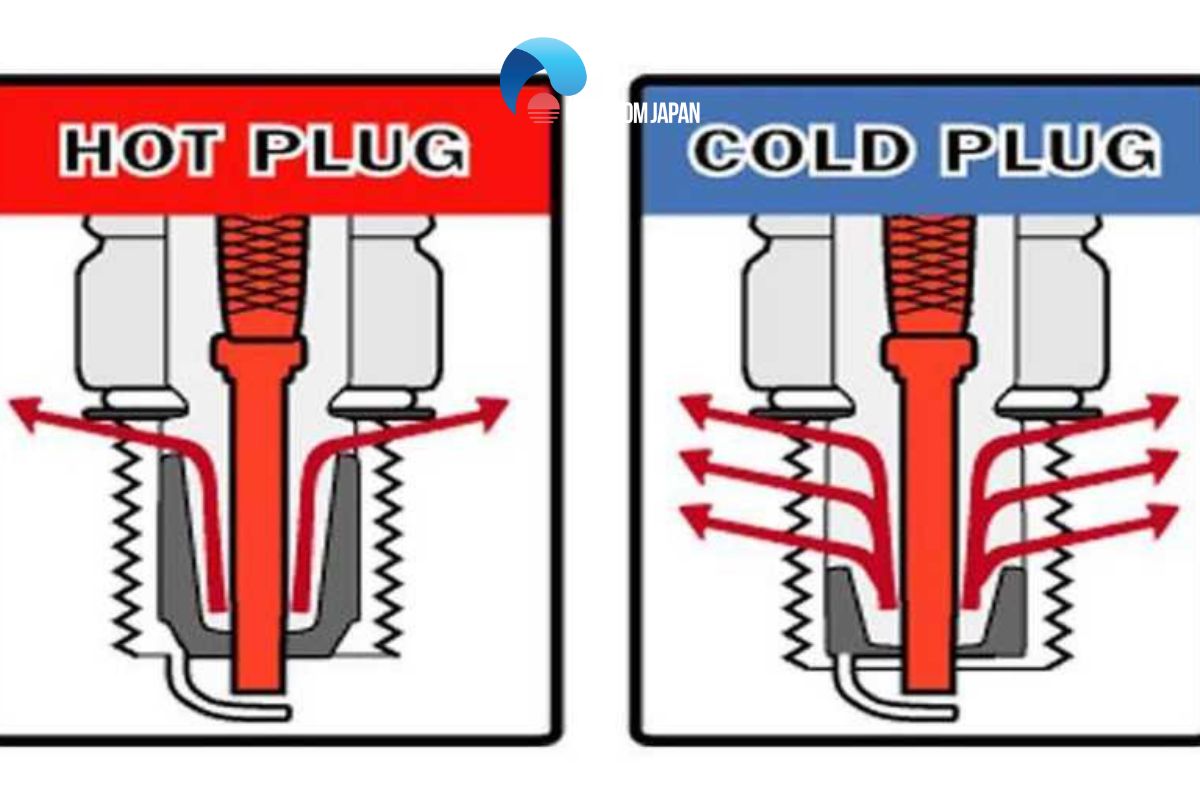
Overheated engines leave marks on spark plugs. The plug tip might appear white and blistered. Electrodes can wear out fast or melt. This usually means the engine runs too hot. Causes include wrong spark plug heat range or cooling system issues. Watch for these signs to avoid engine damage.
Maintenance Tips For Spark Plugs
Proper maintenance of spark plugs keeps your engine running smoothly. It helps improve fuel efficiency and prevents engine misfires. Regular care extends the life of spark plugs and avoids costly repairs. Follow simple tips to clean and replace spark plugs effectively.
Cleaning Techniques
Remove dirt and deposits from spark plugs to restore performance. Use a wire brush or spark plug cleaner for best results. Avoid harsh abrasives that can damage the electrode. Gently scrub the plug’s metal parts and ceramic insulator. Blow away dust and debris with compressed air. Check for cracks or wear before reinstalling the plug.
Replacement Guidelines
Replace spark plugs according to your vehicle’s manual or every 30,000 to 50,000 miles. Old spark plugs cause poor engine start and rough idling. Use the correct type and gap size as specified by the manufacturer. Tighten plugs carefully to avoid damaging threads. Inspect ignition wires and replace if worn. Keep a log of replacement dates for future reference.

Credit: www.gtrusablog.com
Frequently Asked Questions
What Does A Spark Plug Color Indicate?
The color of a spark plug shows engine condition. Light tan means normal combustion. Black or oily plugs suggest fuel or oil issues. White plugs may indicate overheating or lean mixture.
How Do You Check Spark Plug Wear?
Inspect the electrode for erosion or rounded edges. Excessive wear reduces spark efficiency. Also, check for cracks or deposits on the ceramic insulator.
Why Is Spark Plug Gap Important?
The gap affects spark strength and engine performance. A correct gap ensures efficient combustion and smooth running. Too wide or narrow gaps cause misfires or poor fuel economy.
How Often Should Spark Plugs Be Read?
Read spark plugs every 30,000 miles or during engine servicing. Regular checks help detect engine problems early and maintain optimal performance.
Conclusion
Reading spark plugs helps you understand your engine’s health. Check the color and deposits on the plug regularly. It shows if your engine runs too hot, too cold, or rich in fuel. Clean or replace plugs to keep your car running smooth.
Small checks save you time and money on repairs. Practice often, and you’ll spot problems early. Spark plugs tell a clear story about your engine’s condition. Stay attentive, and your vehicle will thank you with better performance.





