Have you ever wondered if your car’s engine is running at its best? The secret might just be in a small yet crucial component: the spark plug.
To keep your engine purring smoothly, understanding how to read a spark plug gap tool is essential. This simple tool measures the gap between your spark plug’s electrodes, ensuring your vehicle fires on all cylinders. By mastering this skill, you’ll not only save money on mechanic visits but also boost your car’s performance.
Ready to take control of your car maintenance and avoid those costly misfires? Dive in, and discover the power of precision with your spark plug gap tool.

Credit: www.youtube.com
Spark Plug Gap Basics
Understanding the basics of spark plug gaps is essential for anyone working on vehicle maintenance or tuning engines. The gap is the space between the center and ground electrode of a spark plug, and it plays a critical role in engine performance. If you don’t get this gap right, your engine can misfire, run inefficiently, or even get damaged over time.
Why Gap Size Matters
The size of the spark plug gap affects how the spark jumps between electrodes. A gap that’s too small can cause a weak spark, leading to incomplete combustion. On the other hand, a gap that’s too large demands more voltage from the ignition system, which can cause misfires.
Think about a time you noticed your engine running rough or having trouble starting. Checking the gap size could have been the solution you overlooked. Your car’s manual or spark plug packaging usually provides the ideal gap size, and sticking to that specification ensures your engine runs smoothly.
Common Gap Measurements
Spark plug gaps are typically measured in thousandths of an inch (0.001”). The most common gap sizes range from 0.028” to 0.060”, depending on your vehicle type and engine design.
| Vehicle Type | Typical Gap Size |
|---|---|
| Passenger Cars | 0.028” – 0.044” |
| Trucks & SUVs | 0.035” – 0.050” |
| High-Performance Engines | 0.040” – 0.060” |
Have you ever wondered why your spark plugs look different after replacement? It often comes down to the gap settings tailored for your engine’s needs. Using a spark plug gap tool helps you measure and adjust this distance precisely, ensuring better ignition and fuel efficiency.
Types Of Gap Tools
Understanding the different types of spark plug gap tools helps ensure accurate measurement. Each tool offers a unique way to check and set the gap between spark plug electrodes. Choosing the right tool depends on ease of use and precision needs. Below are the common types of gap tools used by mechanics and car enthusiasts.
Feeler Gauge
A feeler gauge consists of thin metal blades of various thicknesses. Each blade is marked with its thickness in millimeters or inches. Slide a blade between the spark plug electrodes to check the gap size. The correct blade fits snugly without forcing it. Feeler gauges provide precise readings and are popular for their accuracy.
Wire Gauge
Wire gauges use small wires of different diameters to measure the gap. Select a wire that fits easily into the spark plug gap. The wire diameter equals the gap size. Wire gauges are simple and quick to use. They work well for rough measurements and quick checks.
Coin-style Gauge
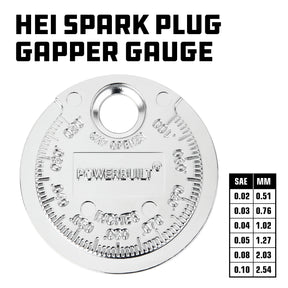
Coin-style gauges look like a flat disc with notches of various sizes. Each notch matches a standard gap measurement. Insert the spark plug electrode into a notch to check the gap. These gauges are compact and easy to carry. Coin-style gauges help with fast, basic gap measurements.
Preparing To Measure
Preparing to measure the spark plug gap accurately is key to ensuring your engine runs smoothly. Before you even touch the gap tool, getting your spark plug ready and choosing the right measuring device can save you time and frustration. Are you sure your spark plug is clean enough? And is your tool precise enough for the job?
Clean The Spark Plug
Dirt and carbon buildup can throw off your measurement by adding extra thickness to the electrodes. Use a soft wire brush or a spark plug cleaner to remove any deposits gently. Avoid harsh scrubbing that might damage the electrode surfaces.
After cleaning, wipe the spark plug with a dry cloth. This ensures no leftover particles interfere with the gap reading. A clean spark plug gives you a true gap measurement, so don’t skip this step.
Select The Right Tool
Choosing the correct spark plug gap tool is crucial. Some tools are simple wire gauges, while others are feeler gauges or adjustable gap gauges. Each type has its strengths depending on your precision needs and the spark plug design.
If you want a quick check, a wire gauge might suffice. But for precise adjustments, a feeler gauge offers better accuracy. Think about the specific requirements of your engine and pick a tool that matches those needs.

Credit: www.amazon.ca
Measuring The Gap
Measuring the spark plug gap is crucial for proper engine performance. The gap affects how well the spark ignites the fuel-air mix. Using a spark plug gap tool helps ensure the gap matches the manufacturer’s specs. Follow clear steps to measure and adjust the gap accurately.
Inserting The Tool
Choose the correct gauge size on the gap tool. Slide the tool gently between the spark plug electrodes. The tool should fit snugly without forcing it. If it feels too tight or loose, check another gauge size. Proper insertion gives a true reading of the gap.
Checking Resistance
Look at how the tool moves between the electrodes. The right gap allows the tool to slide with slight resistance. Too much resistance means the gap is too small. Too little resistance means the gap is too wide. This simple check helps find the perfect gap.
Adjusting The Gap
Use the tool’s built-in adjuster or a small flat tool. Gently bend the electrode to widen or narrow the gap. Avoid bending the center electrode as it can damage the plug. After adjusting, reinsert the gauge to confirm the gap size. Repeat until the gap matches the required measurement.
Tips For Accurate Gaps
Getting the spark plug gap right can make a big difference in your engine’s performance. Accurate gaps ensure proper ignition and fuel efficiency. Here are some practical tips to help you set the gap correctly every time.
Avoiding Over-adjustment
It’s easy to get carried away trying to perfect the gap, but too much adjustment can damage the spark plug. Gently bend the ground electrode only enough to reach the specified gap. Pushing too hard can weaken the metal and cause misfires later.
Use a feeler gauge or gap tool that matches your vehicle’s specifications exactly. If you find yourself adjusting repeatedly, double-check the tool rather than forcing the gap to fit. Have you ever noticed a spark plug failing after bending it too much? That’s a sign you need a lighter touch.
Regular Maintenance
Checking your spark plug gap should be part of your routine maintenance, not just when problems arise. Over time, gaps can widen due to wear and heat cycles. Measuring and adjusting regularly keeps your engine running smoothly.
Set a schedule based on your vehicle’s manual—often every 30,000 miles works well. Keep your tools clean and calibrated; a dirty gap tool can give false readings. How often do you check your spark plugs? Making it a habit can save you from costly repairs.
Recording Measurements
Keep a small log of your spark plug gap measurements and adjustments. This record helps track trends and spot early signs of engine issues. You might notice the gap widening faster than usual, indicating potential problems with your ignition system or fuel mixture.
Use a notebook or a digital app to jot down the date, gap size, and any observations. This simple step turns guesswork into data you can act on. Have you tried tracking your maintenance like this before? It can reveal patterns you’d otherwise miss.
Credit: www.powerbuilt.com
Frequently Asked Questions
What Is A Spark Plug Gap Tool?
A spark plug gap tool measures the space between spark plug electrodes. It ensures the gap matches vehicle specifications for optimal performance.
How Do I Read A Spark Plug Gap Tool?
Insert the tool’s gauge between the electrodes. The tool shows the gap size in millimeters or inches for easy reading.
Why Is Spark Plug Gap Measurement Important?
Correct gap size ensures efficient combustion and engine performance. Incorrect gaps cause misfires, poor fuel economy, and engine issues.
Can I Adjust The Spark Plug Gap Myself?
Yes, gently bend the electrode with the tool until the correct gap is achieved. Always follow your vehicle’s gap specifications.
Conclusion
Reading a spark plug gap tool is simple with practice. Check the tool carefully to find the right measurement. Match the spark plug gap to the tool’s size. Adjust the gap gently if needed. This helps your engine run smoothly and saves fuel.
Regular checks keep your vehicle in good shape. Keep your tools clean and store them safely. Understanding this small step improves your car’s performance. Try it yourself and see the difference.





