If you’ve ever felt stuck trying to put a spark plug in your engine, you’re not alone. It might seem tricky at first, but with the right steps, you can do it yourself quickly and safely.
Imagine saving time and money by handling this simple task on your own. You’ll discover exactly how to put a spark plug in, with clear instructions that anyone can follow. Keep reading, and you’ll gain the confidence to tackle this essential part of your vehicle’s maintenance like a pro.
Tools Needed
Before you start putting a spark plug in, it’s important to gather the right tools. Having the correct equipment not only makes the job easier but also helps prevent damage to the spark plug or engine. Let’s look at the essential tools you’ll need to get the job done properly.
Spark Plug Socket
A spark plug socket is designed specifically to fit spark plugs and hold them securely. It usually has a rubber insert or magnet inside to grip the plug without damaging it. Using a regular socket can slip or break the plug, so this tool is a must-have.
Ratchet Wrench
A ratchet wrench works with your spark plug socket to turn the plug in and out smoothly. It gives you the leverage needed without applying too much force. Choose one with a comfortable grip to keep control during installation.
Torque Wrench
Over-tightening a spark plug can cause serious engine damage. A torque wrench lets you tighten the plug to the manufacturer’s exact specifications. This precision prevents stripping the threads or cracking the plug itself.
Gap Gauge
The spark plug gap affects how well your engine runs. A gap gauge measures the distance between the electrodes on the plug. Adjusting this gap to the recommended size ensures efficient combustion and better performance.
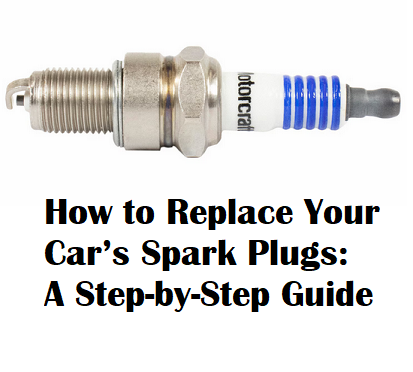
Credit: beachautomotive.com
Preparing The Engine
Preparing the engine is an important part of changing a spark plug. This process helps avoid damage and makes the job easier. Taking time to prepare ensures the new spark plug will fit correctly and work well.
Locate The Spark Plug
Open the hood of your vehicle and find the engine. Look for the spark plug wires or ignition coils. These usually lead to the spark plugs. The spark plugs are often found on top or the side of the engine block.
Clean The Area
Before removing the old spark plug, clean the surrounding area. Use a brush or compressed air to remove dirt and debris. This prevents dirt from falling into the engine when you remove the plug.
Remove Old Spark Plug
Use a spark plug socket and ratchet to loosen the old spark plug. Turn it counterclockwise until it comes out. Handle the plug gently to avoid breaking it inside the engine.
Checking The Spark Plug
Checking the spark plug before installation is crucial to ensure your engine runs smoothly. A faulty or improperly set spark plug can cause misfires, poor fuel economy, or difficulty starting your vehicle. Taking a few minutes to inspect and adjust your spark plug saves you time and frustration down the road.
Inspect For Damage
Look closely at the spark plug for any cracks, chips, or worn electrodes. Damaged plugs won’t spark properly and can harm your engine’s performance. If you spot any damage, replace the spark plug immediately rather than trying to reuse it.
Also, check for excessive carbon buildup or oil deposits. These signs might hint at engine issues, but at minimum, a dirty spark plug should be cleaned or replaced before installation.
Check The Gap
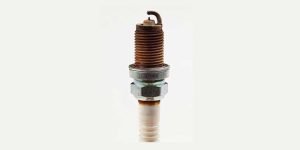
The gap between the center and ground electrode is critical for a strong spark. If the gap is too wide or too narrow, your engine may misfire or run inefficiently.
Use a spark plug gap tool to measure this distance accurately. The correct gap size is usually specified in your vehicle’s manual—don’t guess or assume it’s already set correctly.
Adjust The Gap
If the gap measurement is off, gently bend the ground electrode to widen or narrow it. Avoid using excessive force, as this can damage the plug.
After adjustment, recheck the gap to confirm accuracy. A correctly gapped spark plug ensures your engine gets the right spark intensity for optimal performance.
Installing The New Spark Plug
Installing a new spark plug requires careful attention to ensure your engine runs smoothly. The process involves precise steps to avoid damaging the plug or the engine’s threading. Taking your time during installation will save you from costly repairs and improve your vehicle’s performance.
Hand Tighten First
Start by threading the new spark plug into the cylinder head using your fingers. This helps prevent cross-threading, which can strip the threads and ruin the engine block. If the spark plug doesn’t turn easily, stop and realign it rather than forcing it.
Hand tightening also gives you a better feel for how the plug is seating. You’ll notice if it’s going in smoothly or if something feels off. Have you ever tried to rush this step and ended up with a stuck spark plug? Taking it slow here makes a big difference.
Use Torque Wrench
Once the spark plug is hand-tight, switch to a torque wrench for the final tightening. Each spark plug has a specific torque rating—usually found in your vehicle’s manual—that ensures a proper seal without damage. Using a torque wrench guarantees you apply the right amount of force every time.
Too little torque can cause poor engine performance, while too much can damage the threads or the plug itself. If you don’t have a torque wrench, consider borrowing one or buying a reasonably priced model. It’s a small investment that can save you from expensive repairs later.
Avoid Over-tightening
It’s tempting to crank the wrench until the spark plug feels rock solid, but over-tightening is a common mistake. Excessive force can strip the threads or break the plug, leaving you with a tricky and costly problem. Always stop once you reach the recommended torque.
Think about the last time you tightened something too much—did it break or become harder to fix? The same principle applies here. Respect the torque specs, and your spark plugs will last longer and perform better.
Finishing Touches
Finishing touches are crucial when installing a spark plug. These last steps ensure your engine runs smoothly and prevents future issues. Skipping them could lead to poor performance or costly repairs.
Reconnect Spark Plug Wire
After seating the spark plug firmly, reconnect the spark plug wire. Make sure it clicks or snaps into place securely. A loose connection can cause misfires or prevent the engine from starting.
Hold the boot, not the wire itself, to avoid damage while attaching. This simple habit saved me from replacing wires multiple times. Have you ever struggled with wires that seem stuck or fragile? Using the right grip makes all the difference.
Double Check Installation
Take a moment to inspect your work before closing the hood. Check that the spark plug is tightened to the correct torque—too loose or too tight can cause problems.
Look for any debris around the spark plug or wire connections. Dirt can interfere with performance, so clean the area if needed. This step saved my engine from unexpected stalls once, highlighting its importance.
Ask yourself: Does everything feel secure and clean? If yes, your spark plug installation is ready to power your ride efficiently.

Credit: www.youtube.com
Common Mistakes To Avoid
Installing a spark plug seems simple but often causes errors. Avoiding common mistakes saves time and protects your engine. Small errors can lead to poor engine performance or damage. Focus on careful steps for a smooth installation.
Cross-threading
Cross-threading happens when the spark plug is not aligned properly. It damages the threads inside the cylinder head. This makes future spark plug removal very hard. Always start threading by hand first. Turn the plug slowly and feel for resistance. Stop immediately if it feels tight or stuck. Never force the spark plug into place.
Incorrect Gap
The gap between the spark plug electrodes affects engine efficiency. Too wide or too narrow gaps cause misfires and poor fuel use. Use a gap tool to check the distance before installation. Adjust the gap carefully to match the manufacturer’s specs. Do not guess or skip this step.
Over-tightening
Over-tightening the spark plug can crack the ceramic insulator. It also strips the threads in the cylinder head. Use a torque wrench to tighten the plug to the correct level. Follow the torque value recommended in the manual. Tighten gently until you feel resistance, then apply the right torque.

Credit: www.youtube.com
Frequently Asked Questions
How Do I Prepare A Spark Plug For Installation?
Before installation, clean the spark plug and check its gap. Use a gap tool to ensure the gap matches your engine’s specification. Proper preparation helps the spark plug function efficiently and extends its lifespan.
What Tools Are Needed To Put In A Spark Plug?
You need a spark plug socket, ratchet wrench, gap tool, and possibly an extension bar. These tools ensure easy removal and installation without damaging the spark plug or engine.
How Tight Should A Spark Plug Be Installed?
Tighten the spark plug until it is snug, then turn it about a quarter to half turn more. Over-tightening can damage the threads, while under-tightening may cause poor engine performance.
Can I Install A Spark Plug Without Gapping It?
No, always check and adjust the spark plug gap before installation. Incorrect gaps can cause misfires, poor fuel economy, and engine issues. Proper gapping ensures optimal ignition and engine efficiency.
Conclusion
Installing a spark plug is simple with the right steps. First, gather your tools and ensure a clean workspace. Next, carefully remove the old spark plug, ensuring not to damage any components. Position the new spark plug correctly and tighten it by hand initially.
Then, use a wrench for a secure fit, but avoid over-tightening. Double-check all connections before starting your engine. Regular maintenance like this ensures a smooth running vehicle. Practice makes perfect, so don’t worry if it takes a few tries. Soon, you’ll do it with confidence and ease.
Happy driving!