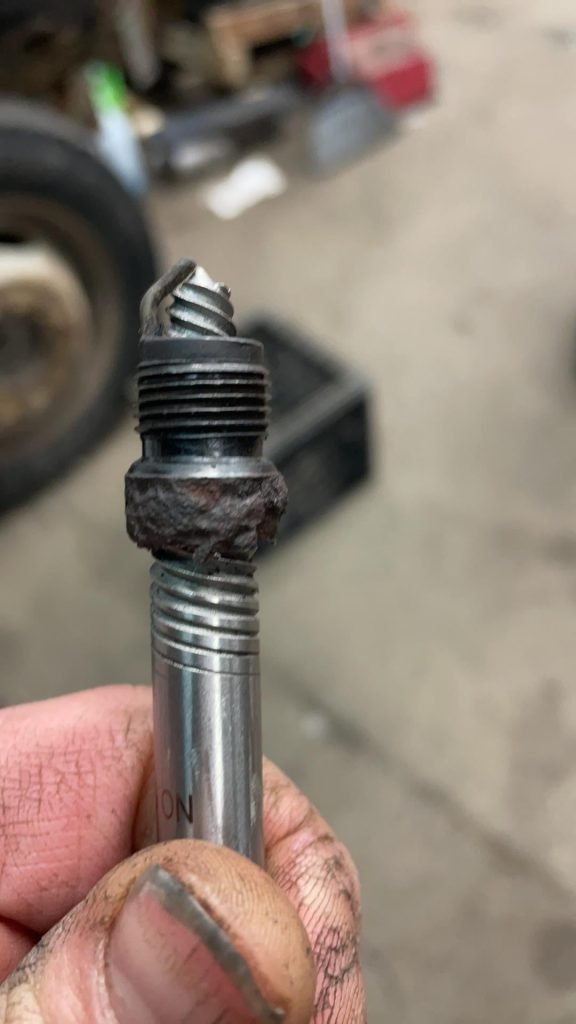
Are you ready to tackle a simple yet crucial task for your vehicle’s health? Learning how to pull out a spark plug can save you time and money, and it’s easier than you might think.
Whether you’re a car enthusiast or just someone who likes to handle basic maintenance yourself, understanding how to properly remove a spark plug is essential. Imagine the satisfaction of knowing you can confidently perform this task without a mechanic’s help.
By the end of this article, you’ll be equipped with the knowledge to take control of your car’s performance, ensuring it runs smoothly. Dive in, and let’s get started on making you a more confident car owner.

Credit: www.reddit.com
Tools Needed
Getting the right tools ready makes pulling out a spark plug much easier and safer. Without the proper equipment, you might struggle or even damage your engine. Let’s look at the essential tools you’ll need to get the job done smoothly.
Spark Plug Socket
This is not just any socket—it’s specially designed to fit spark plugs perfectly. It usually has a rubber insert or magnetic feature to hold the plug securely as you remove it. Using the correct socket prevents damaging the ceramic part of the spark plug, which is fragile.
Ratchet Wrench
A ratchet wrench gives you the leverage needed to loosen tight spark plugs without slipping. It allows quick back-and-forth movements, so you don’t have to remove and reposition the tool repeatedly. Have you ever tried to turn a stuck bolt with just your hands? This tool saves you from that frustration.
Extension Bar
Some spark plugs sit deep inside the engine, making them hard to reach. An extension bar adds length to your ratchet wrench, giving you access to those tight spots. It’s a small addition that can make a big difference in your comfort and control.
Torque Wrench
Once you’ve removed or replaced a spark plug, tightening it to the right specification is crucial. Over-tightening can crack the plug; under-tightening can cause poor engine performance. A torque wrench ensures you apply the correct force, protecting your engine and extending spark plug life.
Anti-seize Compound
Applying a small amount of anti-seize compound on the spark plug threads prevents them from sticking inside the cylinder head. This makes future removal easier and reduces the risk of damage. Have you ever struggled with a spark plug stuck for ages? This simple step can save you hours of hassle.
Prepare The Engine
Preparing the engine is a key step before pulling out the spark plug. It ensures safety and protects the engine parts. Proper preparation makes the task easier and prevents damage.
Cool Down The Engine
Allow the engine to cool completely before starting. Hot engines can cause burns and damage spark plug threads. Wait at least 30 minutes after turning off the engine. This reduces the risk of injury and ensures safe handling.
Locate The Spark Plugs
Identify the exact position of the spark plugs in the engine. Most engines have spark plugs on top or along the sides. Check the vehicle manual if unsure. Knowing the location helps avoid unnecessary parts removal and speeds up the process.
Clean The Area
Remove dirt and debris around the spark plug area. Use a brush or compressed air to clear dust. Cleaning prevents dirt from falling into the cylinder when the plug is removed. A clean workspace protects the engine and improves tool grip.
Remove The Spark Plug Wire
Removing the spark plug wire is a crucial step before you can safely pull out the spark plug itself. Handling this part correctly prevents damage to the wire and ensures your engine stays in good shape. Let’s look at how to do this right.
Grip The Boot, Not The Wire
Always grab the boot—the thick, rubbery part that connects to the spark plug—not the wire itself. Pulling on the wire can cause it to tear or disconnect internally, which can lead to misfires later on.
I once tried pulling the wire directly and ended up with a damaged spark plug wire. It cost me extra time and money to replace it. Have you ever experienced this? Avoiding that mistake saves you hassle.
Twist And Pull Technique
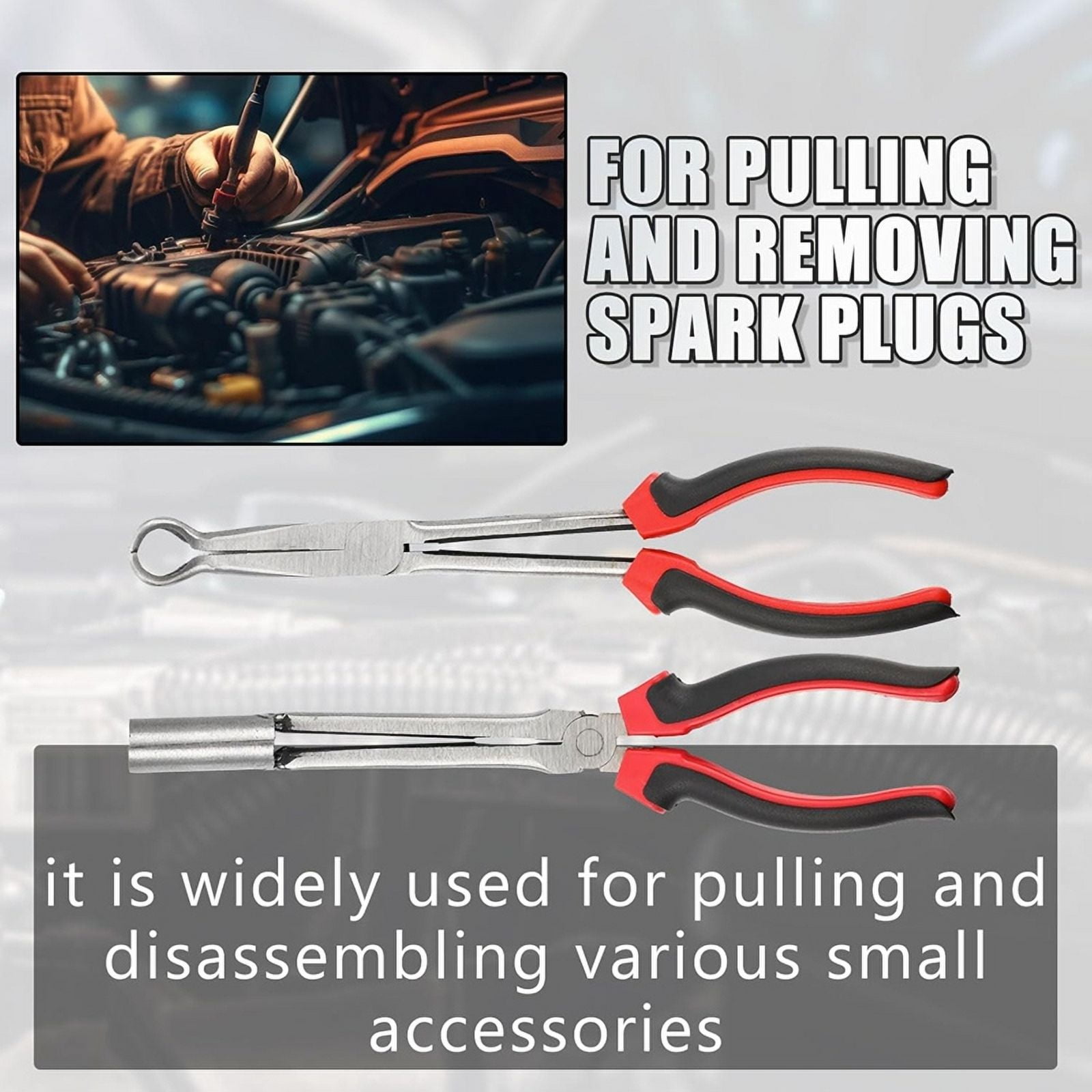
Before pulling the boot off, gently twist it back and forth. This loosens the connection and makes it easier to remove without force. Then, pull straight out with a firm grip on the boot.
This technique helps prevent the boot from sticking or breaking. If the boot feels stuck, don’t yank it—twist a bit more. Your hands might get a little dirty, but your spark plug wire will thank you.
Credit: www.walmart.com
Loosen The Spark Plug
Loosening the spark plug is a key step before pulling it out. It requires the right tools and careful handling. The spark plug sits tight inside the engine, so patience helps avoid damage. Follow simple actions to loosen it safely.
Attach Socket And Ratchet
Use a spark plug socket that fits snugly over the plug. Attach the socket to a ratchet or wrench. This setup gives good grip and control. Ensure the socket is fully seated to avoid slipping.
Turn Counterclockwise
Turn the ratchet handle slowly in a counterclockwise direction. This motion loosens the plug’s threads inside the engine. Avoid quick or jerky turns to prevent damage. Keep the socket aligned to the spark plug.
Apply Steady Pressure
Apply steady, even pressure while turning the ratchet. This helps break the plug free without stripping the threads. If it feels stuck, pause and try again gently. Steady pressure reduces risk of breaking the spark plug.
Extract The Spark Plug
Extracting the spark plug is a crucial step in maintaining your vehicle’s engine. It requires a careful approach to avoid damage to both the spark plug and the engine itself. With the right tools and technique, you can remove the spark plug smoothly and safely.
Use Extension Bar If Needed
Sometimes the spark plug sits deep inside the engine, making it hard to reach with a regular socket wrench. An extension bar is a simple tool that adds length to your wrench, allowing you to reach those tight spots easily.
Make sure the extension bar fits snugly onto your socket wrench and spark plug socket. This reduces the risk of slipping, which can strip the spark plug or cause injury.
Lift Straight Out To Avoid Damage
Once the spark plug is loose, lift it straight out without twisting or pulling at an angle. Twisting can damage the threads in the engine’s cylinder head, leading to costly repairs.
If you feel resistance, double-check that the plug is fully unscrewed before trying again. Patience here saves you from unnecessary damage and frustration.
Inspect The Spark Plug
Inspecting the spark plug is a vital step after removing it from the engine. This check helps identify problems affecting engine performance. A close look at the spark plug reveals signs of wear and deposits. These signs hint at the engine’s health and possible fixes needed.
Check For Wear And Deposits
Look at the spark plug’s tip and insulator. Check for worn electrodes or rounded edges. These issues reduce spark quality. Deposits can appear as black, oily, or white coatings. Black soot suggests a rich fuel mix or weak ignition. Oil deposits mean engine oil leaks or worn piston rings. White deposits may signal overheating or poor fuel quality. Clean or replace the spark plug based on these findings.
Assess For Engine Issues
Analyze the spark plug’s condition to spot engine problems. Cracks on the ceramic insulator can cause misfires. A wet spark plug shows fuel flooding or bad compression. Uneven wear points to timing or ignition issues. Corrosion indicates moisture exposure or poor maintenance. Use these clues to address engine faults early. Proper diagnosis can save costly repairs later.
Tips For Easy Removal
Removing spark plugs can be tricky without the right approach. Use simple tips to make the job easier and protect your engine parts. These tricks help avoid damage and save time during removal.
Use Penetrating Oil For Stuck Plugs
Apply penetrating oil on the spark plug threads if they feel stuck. Let the oil soak for 10 to 15 minutes. This loosens rust and grime, making the plug easier to turn. Use a proper spark plug socket to avoid slipping.
Avoid Over-tightening
Do not tighten spark plugs too much during installation. Over-tightening can cause thread damage or break the plug. Tighten by hand first, then use a wrench with gentle force. Follow the manufacturer’s torque specs for best results.
Keep Threads Clean
Clean spark plug holes and threads before installation. Dirt or debris can cause tight spots and damage threads. Use a thread chaser or compressed air to clear the area. This ensures smooth spark plug removal next time.

Credit: www.samlemanchryslerjeepdodge.com
Frequently Asked Questions
How Do I Safely Pull Out A Spark Plug?
First, ensure the engine is cool to avoid burns. Use a spark plug socket and ratchet to loosen the plug carefully. Turn counterclockwise until the spark plug is free. Avoid applying excessive force to prevent damage to the threads or plug.
What Tools Are Needed To Pull Out A Spark Plug?
You need a spark plug socket, ratchet wrench, and an extension bar. A socket with rubber insert helps grip the plug securely. A torque wrench is useful when reinstalling to ensure proper tightness. Gloves and safety glasses provide extra protection.
How Often Should Spark Plugs Be Removed And Checked?
Check spark plugs every 30,000 miles or as recommended by your vehicle’s manual. Regular inspection helps maintain engine performance and fuel efficiency. Replace plugs if they show wear, corrosion, or deposits. Proper maintenance prevents engine misfires and rough idling.
Can I Pull Out A Spark Plug Without Disconnecting The Battery?
Yes, but it’s safer to disconnect the battery first. Disconnecting prevents accidental electrical shocks or short circuits. Always follow safety guidelines to avoid damage to your vehicle’s electrical system during spark plug removal.
Conclusion
Pulling out a spark plug is simple with the right tools and steps. Always make sure the engine is cool before starting. Use a proper spark plug socket to avoid damage. Turn carefully and avoid forcing it out. Clean the area to prevent dirt from entering.
This helps your engine run smoothly and saves money on repairs. Practice these tips, and you will feel more confident working on your vehicle. Keep your tools ready and take your time. Maintenance can be easy and safe with good habits.





