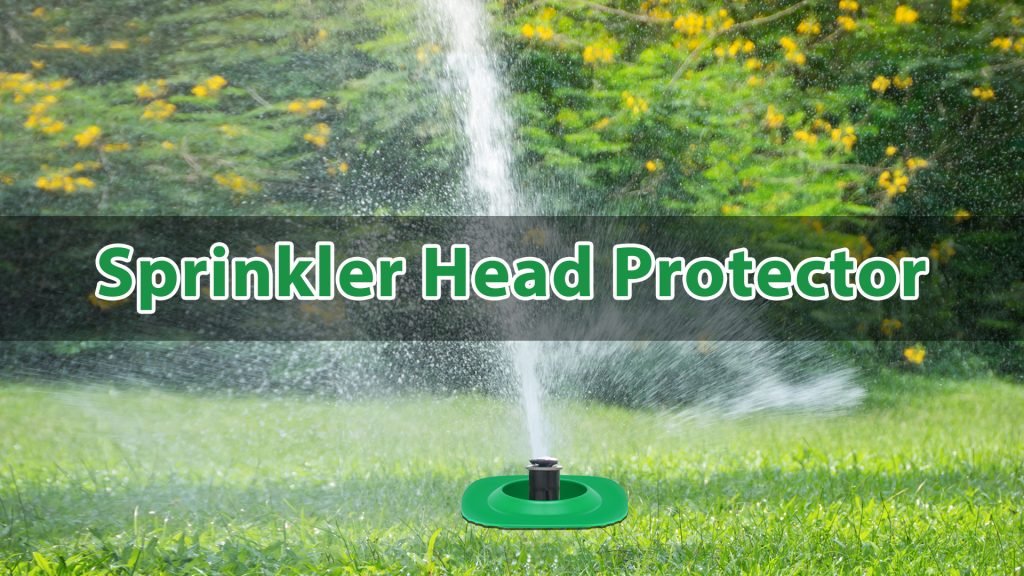
Are you tired of constantly replacing damaged sprinkler heads due to your lawn mower’s relentless pursuit? If so, you’re not alone.
Many homeowners face this frustrating issue, often leading to costly repairs and inefficient watering systems. But what if you could save money, time, and avoid the hassle altogether? In this guide, you’ll discover simple yet effective strategies to protect your sprinkler heads from becoming unintended casualties in your quest for a pristine lawn.
Imagine a world where your lawn looks immaculate, your sprinklers function flawlessly, and your weekends are free from unexpected repair tasks. Intrigued? Let’s dive in and transform your lawn care routine for the better.
Common Risks To Sprinkler Heads
Sprinkler heads are essential for keeping your lawn green and healthy, but they are also surprisingly vulnerable. Many homeowners overlook the damage lawn mowers can cause, assuming sprinkler heads are tough enough to handle regular mowing. However, daily risks can add up, leading to costly repairs or uneven watering that affects your lawn’s appearance.
Damage From Lawn Mower Blades
Lawn mower blades can nick, crack, or even break sprinkler heads if they come too close. Even a small scrape can create leaks or blockages, reducing water pressure and coverage. Have you ever noticed uneven patches in your lawn? That might be a sign your sprinkler heads are suffering blade damage.
To protect them, keep mower blades sharp and adjust the cutting height to avoid hitting the sprinkler heads directly. You can also mark sprinkler locations with flags or small stakes to remind yourself where to be cautious.
Impact Of Improper Mowing Techniques
Mowing too aggressively or at odd angles often results in accidental strikes to sprinkler heads. Pushing the mower over sprinkler heads or dragging it can bend or misalign them, causing poor spray patterns. It’s easy to rush through mowing, but slowing down near sprinkler zones can save you from costly fixes.
Try mowing in patterns that avoid crossing sprinkler heads repeatedly. Have you ever thought about how your mowing route might be harming your irrigation system?
Effects Of Frequent Lawn Maintenance
Frequent lawn maintenance, while good for grass health, increases the chances of accidental damage to sprinkler heads. The more often you mow, trim, or edge, the higher the risk of hitting or disturbing sprinkler parts. Over time, this wear and tear can lead to malfunctions or the need for replacements.
Consider spacing out intensive maintenance tasks or combining them to reduce exposure to sprinkler heads. What small changes in your routine could protect your irrigation system without sacrificing lawn care?

Credit: www.amazon.com
Choosing The Right Sprinkler Heads
Choosing the right sprinkler heads is key to protecting them from lawn mowers. The right choice helps avoid damage and keeps your irrigation system working well. Consider both the material and design for durability. Also, think about where and how high the sprinkler heads are placed.
Durable Materials And Designs
Sprinkler heads made from strong plastic or metal last longer. Look for models with reinforced parts. Some designs have a low profile to reduce the chance of being hit. Pop-up sprinklers retract into the ground when off, helping prevent mower damage. Choose heads that resist cracking and breaking.
Height And Placement Considerations
Place sprinkler heads slightly above the grass level. Too low, and mower blades hit them. Too high, and they risk being knocked over. Adjust height based on your mower’s cutting level. Position heads away from mower paths or heavy traffic areas. Use markers or guards to make sprinkler heads visible.
Protective Barriers And Guards
Protective barriers and guards play a crucial role in preventing damage to your sprinkler heads from lawn mowers. Without proper protection, mower blades and wheels can easily strike sprinkler heads, leading to costly repairs or replacements. Adding physical barriers creates a buffer zone that shields these delicate components while maintaining the functionality of your irrigation system.
Using Sprinkler Head Covers
Sprinkler head covers are simple yet effective accessories designed to fit snugly over the heads. These covers absorb the impact from mower blades and prevent direct contact with the sprinkler. Many covers are made from durable plastic or rubber, which can withstand repeated knocks without cracking.
Choosing the right cover depends on the type and size of your sprinkler heads. Some covers come with bright colors or reflective surfaces to increase visibility, helping you spot sprinkler heads easily while mowing. Have you noticed how a small protective cap can save you from a big repair bill?
Installing Physical Shields
Physical shields are barriers installed around sprinkler heads to block mower blades and wheels from getting too close. They often come in the form of collars or cages made from metal or heavy-duty plastic. These shields create a tough perimeter that guards the sprinkler without interfering with water spray patterns.
You can position these shields flush with the ground or slightly raised, depending on your lawn mower’s height and the sprinkler’s design. Think about the placement carefully to avoid interrupting your lawn care routine. Would a well-placed shield change how safely you mow your lawn?
Diy Protection Solutions
Creating your own protective barriers can be both cost-effective and tailored to your specific sprinkler setup. Common materials include PVC pipes, plastic bottles, or even small flowerpots turned upside down. These DIY shields can be secured around sprinkler heads using zip ties or stakes.
For instance, cutting a section of a PVC pipe to fit around the sprinkler head provides a sturdy guard that’s easy to install and remove. This approach lets you customize the height and width to match your mower and sprinkler size perfectly. What household items could you repurpose today to protect your sprinklers?

Credit: www.amazon.com
Lawn Mowing Best Practices
Protecting sprinkler heads during lawn mowing is essential to keep your irrigation system working well. Following proper lawn mowing best practices helps avoid damage to these important parts. It also saves money on repairs and keeps your lawn healthy. Simple habits and careful mowing make a big difference.
Adjusting Mower Height
Set your mower blade height above the sprinkler heads. This prevents the blades from hitting the sprinklers. A higher cut also protects grass roots and reduces stress on the lawn. Check the mower height before each use. Adjust it to avoid cutting too close to sprinkler heads and to keep grass at a healthy length.
Marking Sprinkler Locations
Mark sprinkler heads clearly to see them while mowing. Use flags, stakes, or small markers that stand out. Markers help guide you around sprinkler heads safely. Replace or adjust markers if they get knocked down. Keeping sprinkler locations visible reduces accidental damage and helps maintain an even cut.
Mowing Around Sprinklers Safely
Slow down near sprinkler heads to improve control. Mow carefully around marked areas to avoid hitting them. Use a trimmer or hand mower for tight spots if needed. Avoid sharp turns close to sprinkler heads. Regularly inspect sprinkler heads for damage or misalignment after mowing. This practice protects your irrigation system and keeps your lawn neat.
Regular Maintenance And Inspection
Regular maintenance and inspection play a crucial role in protecting your sprinkler heads from damage caused by lawn mowers. By staying proactive, you can catch issues early, keep your irrigation system working efficiently, and avoid costly repairs. Taking a few minutes after mowing to inspect your sprinkler heads can save you a lot of trouble down the road.
Checking For Damage Post-mowing
After each mowing session, take a close look at your sprinkler heads. Check if any heads are cracked, bent, or pushed deeper into the ground. Sometimes, mower blades or wheels can nick the plastic parts, causing leaks or uneven spray patterns.
Have you noticed water pooling around a sprinkler after mowing? That’s a clear sign something might be broken or misaligned. Spotting these problems early helps you prevent wasted water and poor lawn coverage.
Cleaning And Clearing Debris
Grass clippings, dirt, and leaves often get stuck around sprinkler heads. This debris can block the spray or cause the heads to stick in the retracted position. Use a soft brush or your hands to gently clear away any buildup.
Try to keep the area around each sprinkler head clear to avoid damage and ensure even watering. Cleaning also reduces the chances of mold or mildew growth, which can affect performance over time.
Timely Repairs And Replacements
Don’t wait too long to fix or replace damaged sprinkler heads. A small crack can quickly turn into a bigger problem, wasting water and putting pressure on your system. Keep a few spare heads and basic tools handy for quick fixes.
If you find that a sprinkler head is beyond repair, replacing it immediately will keep your lawn looking healthy and green. Have you ever delayed a repair, only to see your water bill spike unexpectedly? Acting fast saves money and stress.

Credit: www.amazon.com
Landscaping Tips To Safeguard Sprinklers
Protecting sprinkler heads from damage during lawn mowing saves time and repair costs. Thoughtful landscaping helps keep sprinklers safe and your lawn healthy. Simple design choices reduce mower accidents and improve irrigation efficiency.
Strategic Plant Placement
Place plants carefully around sprinkler heads. Use taller plants or shrubs to create natural barriers. This blocks mower access while letting water flow freely. Avoid planting thick bushes too close to sprinklers. Leave enough space for maintenance and easy water reach. Arrange flowers and plants in a way that guides the mower away from sprinkler heads.
Using Mulch And Ground Cover
Mulch protects soil and sprinkler heads from mower blades. Apply a thick layer of mulch around sprinkler areas. Choose materials like wood chips or bark that blend with your garden. Ground covers such as creeping thyme or clover provide soft protection. These plants grow low and avoid blocking water spray. Mulch and ground covers reduce soil erosion and keep sprinkler heads visible.
Creating Mower-friendly Zones
Designate mower-friendly zones to protect sensitive sprinkler parts. Use edging materials like stones or plastic borders to mark these areas. These zones give clear boundaries to avoid accidental strikes. Keep grass height uniform near sprinkler heads for easy mowing. Consider installing small protective cages or covers over heads in busy zones. Clear mower zones improve safety and reduce sprinkler damage risk.
Frequently Asked Questions
How Can I Prevent Lawn Mowers From Damaging Sprinkler Heads?
Use protective covers or guards around sprinkler heads. Mark their locations clearly to avoid accidental mowing damage. Regularly check and adjust mower height to minimize impact.
What Materials Are Best For Sprinkler Head Protection?
Plastic or metal sprinkler head guards work well. They shield heads from mower blades and debris. Choose durable, weather-resistant materials for long-lasting protection.
How Often Should I Inspect Sprinkler Heads Near Lawns?
Inspect sprinkler heads monthly during mowing season. Check for damage, clogs, or misalignment. Early detection prevents costly repairs and maintains optimal irrigation.
Can Adjusting Mower Height Protect Sprinkler Heads Effectively?
Yes, raising mower height reduces blade contact with heads. This minimizes damage risk and prolongs sprinkler lifespan. Always set mower height above sprinkler head level.
Conclusion
Protecting sprinkler heads keeps your lawn healthy and saves money. Regular checks prevent damage from lawn mowers. Simple steps like marking sprinkler spots help avoid accidents. Using guards or covers adds extra protection. Stay aware of mower height to reduce risks.
Taking care of sprinklers means better watering and fewer repairs. Small efforts create big benefits for your lawn’s health. Keep your sprinklers safe to enjoy a green, vibrant yard all year.





