You rely on your mower to keep your lawn looking its best. But have you ever thought about what happens if water gets inside it?
Water damage can cause serious problems, from rust to engine failure. Protecting your mower from water damage isn’t just about avoiding repairs—it’s about saving time, money, and frustration. You’ll discover simple, practical steps you can take right now to keep your mower safe and running smoothly, no matter the weather.
Keep reading to learn how to protect your investment and enjoy a worry-free mowing season.

Credit: www.amazon.com
Common Causes Of Water Damage
Water damage can silently ruin your mower, leading to costly repairs and shortened equipment life. Understanding the common causes of water damage helps you take steps to keep your mower safe and running smoothly. Let’s look at the main ways water can sneak in and cause trouble.
Rain Exposure
Leaving your mower out in the rain is one of the quickest ways to invite water damage. Even a light drizzle can cause rust on metal parts and electrical issues if moisture seeps inside.
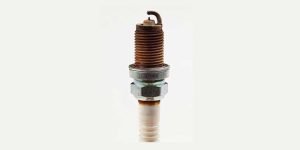
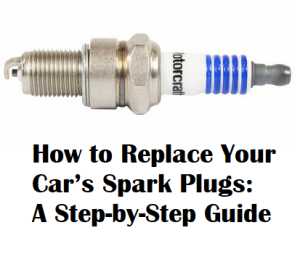
Have you ever noticed your mower struggling to start after a wet day? That’s often because water has reached the engine or spark plug area. Covering your mower or storing it in a sheltered spot prevents this problem entirely.
Flooded Storage Areas
Storing your mower in a basement or garage prone to flooding can cause serious water damage. Water can pool around the mower’s base, leading to corrosion and damage to sensitive components.
Check your storage area for signs of dampness or leaks before placing your mower there. Elevating the mower off the ground with a sturdy platform can keep it safe from unexpected floods.
Improper Washing Techniques
Washing your mower is important, but using the wrong methods can cause water to enter areas it shouldn’t. High-pressure hoses can force water into the engine, air filter, or electrical parts.
Instead, use a gentle spray and avoid soaking the engine area. Dry your mower thoroughly after washing to prevent rust and ensure it’s ready for the next cut.

Credit: diyhuntress.com
Signs Of Water Damage In Mowers
Water damage can harm your mower in many ways. Early detection helps save repair costs. Watch for these signs to protect your mower from serious damage.
Rust And Corrosion
Rust appears as reddish-brown spots on metal parts. Corrosion weakens the mower’s frame and blades. Water causes metal parts to oxidize quickly. Check for rust near bolts, blades, and engine components. Rust can lead to parts breaking or failing.
Engine Starting Problems
Water in the engine can cause hard starting or no start. The engine may sputter or stall soon after starting. Moisture inside the fuel system or spark plugs can cause issues. Persistent engine problems often signal water damage inside the mower.
Electrical Issues
Wet wiring leads to shorts and faulty connections. Lights or switches may stop working or flicker. The battery might drain faster than normal. Moisture causes corrosion on electrical contacts, affecting performance. Inspect wires and connectors for signs of water exposure.
Preventing Water Damage
Water can cause serious damage to your mower. Preventing water damage helps keep your mower working longer. Simple steps protect the engine, blades, and electrical parts from rust and corrosion.
Storing your mower properly and regular care reduce the risk of water damage. Use dry storage, protective covers, and frequent checks to keep your mower safe. These actions save money and prevent breakdowns.
Choosing A Dry Storage Location
Pick a spot that stays dry and well-ventilated. Avoid places that collect moisture or rainwater. A garage or shed with a solid roof works best. Keep the mower away from damp floors and walls.
Elevate the mower on a platform or shelf to avoid ground moisture. Good air flow prevents mold and rust. Never leave the mower outside during rain or snow.
Using Protective Covers
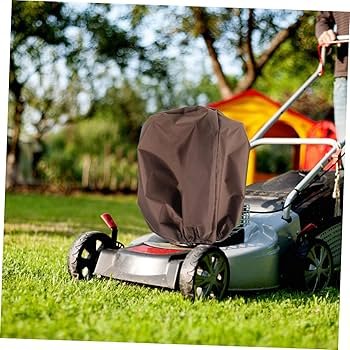
Use a cover designed for mowers. It blocks rain, dew, and dust. Choose waterproof but breathable materials. Plastic covers trap moisture and cause rust.
Secure the cover tightly to stop wind from blowing it away. Check the cover regularly for holes or tears. Replace worn covers to keep your mower dry.
Regular Maintenance Checks
Inspect your mower often for signs of water damage. Look for rust spots, wet parts, or strange smells. Clean and dry the mower after each use, especially if wet.
Lubricate metal parts to prevent rust. Check the air filter and engine oil for water contamination. Change parts immediately if water damage appears.
Safe Cleaning Practices
Protecting your mower from water damage helps it last longer and work better. Always avoid using water directly on the engine and store the mower in a dry place. Regularly clean and dry parts after use to keep rust and damage away.
Safe cleaning practices for your mower can prevent water damage. Proper methods ensure your mower stays in excellent condition. Regular cleaning helps maintain its performance. Let’s explore some effective ways to clean safely.Avoiding High-pressure Water
Using high-pressure water can harm your mower. It may force water into sensitive parts. Instead, opt for a gentle hose spray. A bucket of soapy water works well, too. Focus on removing dirt and grass buildup.Drying After Cleaning
Always dry your mower after washing. Use a clean towel to wipe it down. Pay attention to hidden areas. Let it air dry in a well-ventilated space. This helps prevent rust and keeps parts in good shape.Protecting Sensitive Components
Cover sensitive parts before cleaning. Use plastic bags or wraps on the engine. Keep water away from electrical components. Check your mower’s manual for specific guidance. This ensures you protect vital parts effectively.Winterizing Your Mower
Winterizing your mower protects it from water damage and rust during cold months. Proper care keeps the mower ready for spring use. It prevents costly repairs and extends the mower’s life. Follow simple steps to prepare your mower for storage.
Draining Fluids
Remove all fuel from the tank to avoid gum buildup. Run the engine until it stops from lack of fuel. Drain the oil and replace it with fresh oil. This prevents moisture and sludge from forming inside the engine.
Applying Lubricants
Lubricate moving parts to stop rust and corrosion. Use oil or grease on blades, wheels, and joints. This keeps parts working smoothly and protects metal surfaces from moisture damage.
Storing Indoors
Keep the mower in a dry, sheltered place away from rain. Avoid damp garages or sheds with poor ventilation. Cover the mower with a breathable cloth to block dust and moisture but allow air flow.
Dealing With Water Damage
Water damage can quickly turn your reliable mower into a costly repair project. Acting fast and knowing exactly what to do can save you from bigger headaches down the road. Understanding how to handle water exposure properly is key to protecting your investment and keeping your mower in top shape.
Immediate Steps After Exposure
The moment your mower gets wet, power it off immediately. Running the engine or electrical parts while wet can cause serious damage. Remove the spark plug wire to prevent accidental starts and avoid short circuits.
Next, move your mower to a dry, sheltered place. This prevents further exposure and gives you a controlled environment to start the drying process. Take off any removable parts like the grass catcher or covers so air can circulate better.
Drying Techniques
Start by wiping down all visible water with a clean, dry cloth. Use compressed air to blow out water trapped in hard-to-reach areas like the carburetor or air filter. Avoid using a hairdryer on high heat as it can damage plastic components.
Let your mower sit in a warm, well-ventilated area for at least 24 hours. Placing silica gel packets around the engine can help absorb moisture faster. If you notice stubborn wet spots, gently lift or tilt the mower to let water drain out completely.
When To Seek Professional Help
If your mower doesn’t start after drying or you notice unusual noises, it’s time to call a professional. Water inside the engine or electrical system might require expert inspection and repair. Ignoring these signs can lead to permanent damage and higher repair costs.
Also, if you’re unsure about disassembling parts or don’t have the right tools, a technician can ensure everything is cleaned and dried correctly. Sometimes, a quick professional check can save you from bigger problems later.

Credit: www.aol.com
Frequently Asked Questions
How Can I Prevent Water Damage To My Mower?
Store your mower in a dry, covered area to avoid moisture exposure. Use a waterproof cover if outdoor storage is necessary. Regularly clean and dry the mower after use, especially if wet grass or rain is involved.
What Are Signs Of Water Damage In A Mower?
Look for rust on metal parts, difficulty starting, and unusual engine noises. Water inside the fuel tank or oil can cause damage. Moisture in electrical components may cause malfunction or corrosion.
Should I Use Fuel Stabilizer To Protect Mower?
Yes, fuel stabilizer prevents moisture buildup in the fuel system. It helps avoid corrosion and keeps the engine running smoothly. Add stabilizer before storing the mower for extended periods.
How Often Should I Check My Mower For Water Damage?
Inspect your mower after heavy rain or wet conditions. Regular monthly checks during the mowing season can prevent long-term damage. Address any signs of water exposure immediately to avoid costly repairs.
Conclusion
Protecting your mower from water damage saves time and money. Always store it in a dry place after use. Clean off any wet grass or dirt quickly. Regular checks help spot problems early. Covering the mower keeps rain and moisture away.
Taking small steps keeps your mower working longer. Easy habits prevent big repairs later. Keep your mower dry and ready for the next job. Simple care makes a big difference in mower life.