If you want your engine to run smoothly and efficiently, knowing how to properly gap a spark plug is essential. You might think it’s a small detail, but the gap size can make a big difference in your vehicle’s performance and fuel economy.
Getting it wrong can lead to misfires, poor acceleration, or even damage to your engine. You’ll learn simple, step-by-step instructions to gap your spark plugs correctly—saving you time, money, and frustration. Keep reading to discover the easy tricks that can keep your engine firing on all cylinders.
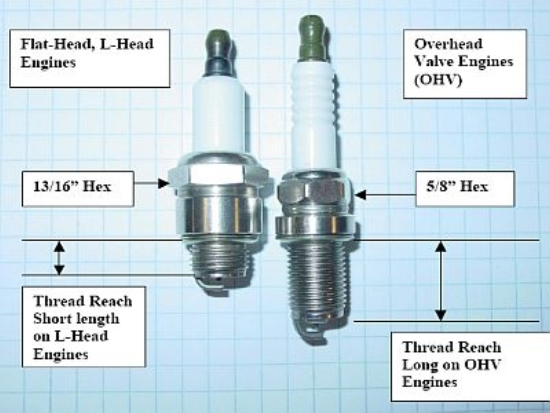
Credit: www.vanguardpower.com
Spark Plug Gap Basics
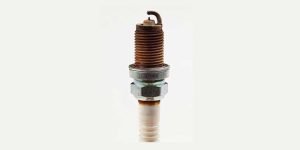
Understanding the basics of spark plug gaps is essential for anyone working on their vehicle’s engine. The gap is the space between the center and ground electrode on a spark plug, and it directly affects how well your engine runs. Getting this gap right can improve fuel efficiency, engine power, and prevent misfires.
Why Gap Size Matters
The size of the spark plug gap influences the spark’s strength and consistency. If the gap is too small, the spark might be weak, causing incomplete combustion and poor engine performance. On the other hand, a gap that’s too large can make it difficult for the spark to jump across, leading to misfires or hard starts.
Imagine trying to light a fire with a weak spark—it just won’t catch well. Your engine needs the right “spark strength” to ignite the fuel-air mixture efficiently. That’s why checking and setting the correct gap is not just a recommendation, but a necessity for smooth engine operation.
Common Gap Measurements
Spark plug gaps vary depending on the vehicle and engine type. Most modern cars typically require a gap between 0.028 inches (0.7 mm)and 0.060 inches (1.5 mm). Small engines, like those in lawn mowers or motorcycles, often have smaller gaps around 0.020 to 0.040 inches.
| Engine Type | Common Gap Size |
|---|---|
| Modern Passenger Cars | 0.028 – 0.060 inches (0.7 – 1.5 mm) |
| Small Engines (Lawn Mowers, Motorcycles) | 0.020 – 0.040 inches (0.5 – 1.0 mm) |
| High-Performance Engines | 0.035 – 0.045 inches (0.9 – 1.1 mm) |
Always check your owner’s manual or spark plug packaging for the recommended gap. Setting the wrong gap can cause you to waste time troubleshooting problems that are actually simple to fix. What gap size does your vehicle require? Have you ever experienced issues that were fixed just by adjusting the spark plug gap?

Credit: www.youtube.com
Tools Needed For Gapping
Properly gapping a spark plug is key to ensuring your engine runs smoothly and efficiently. To get the gap just right, you need the correct tools. These tools help you measure and adjust the gap without damaging the spark plug.
Having the right equipment makes the job quicker and less frustrating. It also prevents costly mistakes that can affect your vehicle’s performance. Let’s take a closer look at the essential tools you’ll need.
Gap Gauge Types
There are a few common types of gap gauges you might use. Each offers a different way to measure the space between the spark plug electrodes.
- Feeler Gauge:Thin metal strips of various thicknesses that you slide between the electrodes to find the correct gap. It’s precise but requires careful handling.
- Wire-Type Gauge:A loop of wire with a specific diameter used to check the gap. It’s simple and quick, but less precise for very small gaps.
- Coin-Style Gauge:Flat discs with different thicknesses you stack or use individually. They’re easy to carry and good for quick checks.
Which type you choose depends on your comfort level and the precision your engine demands. I once used a wire-type gauge for a quick fix, but switching to a feeler gauge improved the accuracy significantly.
Additional Helpful Tools
Besides the gap gauge, a few other tools can make the job easier and safer.
- Spark Plug Gap Tool:A small tool designed to gently bend the electrode without scratching it. It helps you adjust the gap carefully.
- Digital Caliper:For those who want exact measurements, a digital caliper can measure the gap to the thousandth of an inch. This is useful for high-performance engines.
- Protective Gloves:Handling spark plugs can be rough on your hands. Gloves protect you and help you grip the plug better.
Have you considered how much time you could save with the right tools? Investing in these simple items can prevent guesswork and keep your engine running at its best.
Steps To Gap A Spark Plug
Gapping a spark plug correctly ensures your engine runs smoothly and efficiently. It’s a simple task but requires attention to detail. Below are clear steps to help you measure and adjust the spark plug gap safely.
Measuring The Current Gap
First, you need to find out the current gap between the center and ground electrodes of the spark plug. Use a spark plug gap tool or feeler gauge for this task. Slide the tool gently between the electrodes to check if it fits snugly without forcing it.
Be careful not to damage the electrodes while measuring. If the tool doesn’t fit or feels too loose, you know the gap needs adjustment. Have you ever tried guessing the gap without a tool? It usually results in poor engine performance.
Adjusting The Gap Safely
To adjust the gap, use a spark plug gapper tool or a small flathead screwdriver. Gently bend the ground electrode to either widen or narrow the gap. Avoid applying too much pressure to prevent breaking or weakening the electrode.
After adjusting, measure the gap again to confirm accuracy. Repeat this process until the gap matches the manufacturer’s recommended specification. Remember, a precise gap can improve fuel efficiency and reduce engine misfires.

Credit: www.youtube.com
Tips For Accurate Gapping
Getting the spark plug gap just right is crucial for your engine’s smooth performance. Small errors can lead to misfires or poor fuel efficiency, so accuracy matters. Here are some practical tips to help you achieve precise gapping every time.
Avoiding Damage To Electrodes
Handle the spark plug gently to protect the delicate electrodes. Bending the gap too forcefully can weaken or break these parts, causing costly replacements. Use a proper spark plug gap tool designed to apply even pressure without scratching or deforming the electrodes.
Think about the last time you rushed this step—did you notice any uneven gaps or chipped edges? Taking a moment to be gentle can save you time and money down the road.
Checking Consistency Across Plugs
Each spark plug in your engine should have the same gap width for balanced performance. After adjusting one, use a feeler gauge to check all others, ensuring consistency. Variations can cause uneven combustion, leading to rough idling or loss of power.
- Set your gap tool to the exact specification recommended by your vehicle’s manual.
- Double-check every plug before installation.
- Keep the tools clean to avoid inaccurate readings.
Have you ever skipped this step and noticed your engine behaving oddly? Consistent gapping prevents that and keeps your ride running smoothly.
When To Regap Or Replace
Knowing when to regap or replace spark plugs keeps your engine running smoothly. Spark plugs wear out over time and affect performance. Regular checks help spot problems early. Proper maintenance saves money and avoids engine troubles.
Signs Of Wear And Tear
- Electrode edges look rounded or eroded.
- Deposits of carbon, oil, or ash cover the plug.
- Cracks appear on the ceramic insulator.
- Gap size is larger or smaller than recommended.
- Plug shows rust or corrosion on metal parts.
These signs mean the plug may not fire properly. Worn plugs cause misfires and poor fuel efficiency.
Impact On Engine Performance
- Hard starts or engine stalls.
- Rough idling or uneven acceleration.
- Reduced fuel economy and power.
- Increased emissions from incomplete combustion.
- Engine knocking or pinging noises.
Bad spark plug gaps disrupt ignition timing. This leads to wasted fuel and engine strain. Timely regapping or replacement restores smooth running.
Common Mistakes To Avoid
Properly gapping a spark plug is crucial for engine performance. Many drivers make simple mistakes that reduce efficiency and cause damage. Recognizing these common errors helps maintain engine health and fuel economy.
Over-gapping Issues
Setting the gap too wide creates several problems. A large gap requires more voltage to jump the spark. This leads to misfires and hard starts. Over-gapping also causes the spark to weaken. The engine runs rough and loses power. Excessive gap wears out ignition parts faster. Avoid bending the electrode too far. Use a proper gap tool to measure accurately. Always follow the manufacturer’s recommended gap size.
Under-gapping Problems
Too small a gap causes weak sparks. The spark may not ignite the fuel-air mix well. This results in poor combustion and lower engine power. Under-gapped plugs cause higher emissions and reduce fuel efficiency. They also lead to carbon deposits on the plug tip. This buildup can cause the engine to stall or hesitate. Use the right tool to open the gap carefully. Never guess the gap size or rely on default settings.
Frequently Asked Questions
What Is The Correct Spark Plug Gap Size?
The correct spark plug gap size depends on your vehicle’s specifications. Check the owner’s manual for exact measurements. Proper gap ensures optimal engine performance and fuel efficiency. Using a gap tool helps achieve precise spacing for reliable ignition.
How Do You Measure Spark Plug Gap Accurately?
Use a spark plug gap gauge or feeler gauge to measure the gap. Insert the gauge between the electrodes gently. Adjust the gap until the tool fits snugly without forcing. Accurate measurement prevents misfires and improves engine running smoothly.
Why Is Spark Plug Gap Important?
Spark plug gap affects ignition quality and combustion efficiency. A proper gap ensures strong spark and better fuel burning. Incorrect gaps cause misfires, poor engine performance, and higher emissions. Regularly checking and adjusting gaps extends spark plug lifespan.
Can I Gap Spark Plugs Without Special Tools?
While special gap tools are best, a thin wire or feeler gauge can work. Avoid using random objects that may damage electrodes. Precise tools ensure accurate gap adjustment, promoting engine efficiency and avoiding ignition problems.
Conclusion
Gapping spark plugs ensures your engine runs smoothly. It’s a crucial step. Properly gapped plugs improve performance and fuel efficiency. Always use the right tools for accuracy. Double-check your measurements for best results. Regular maintenance can prevent future engine issues.
This simple task saves time and money in the long run. A well-gapped spark plug equals a happy engine. Take care of your vehicle. It’s worth the effort. Follow these steps each time. Keep your engine purring like a kitten.
Happy driving!