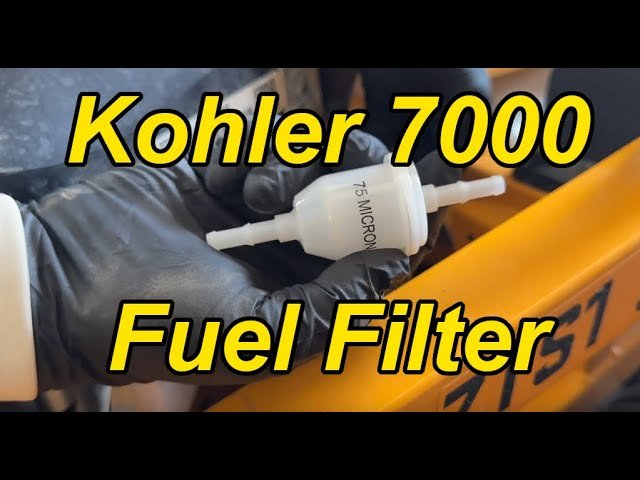
If your mower isn’t running as smoothly as it should, the fuel filter might be the reason. Learning how to prime your mower fuel filter can save you time and money by keeping your engine clean and efficient.
In this guide, you’ll discover simple steps to get your mower’s fuel system working perfectly again. By following these easy tips, you’ll avoid frustrating breakdowns and enjoy a smoother mowing experience every time. Ready to make your mower run like new?
Let’s dive in.
Signs Of A Clogged Fuel Filter
A clogged fuel filter can cause several issues in your mower. One common sign is reduced engine power. The mower may run slower or struggle to cut thick grass. This happens because the engine is not getting enough fuel.
Hard starting issuesalso occur. The mower might take many tries to start or may not start at all. This happens as the fuel flow is blocked by dirt or debris.
Another sign is stalling and hesitation. The mower may stop suddenly or hesitate when you push the throttle. This can make mowing frustrating and unsafe.
Tools And Materials Needed
Replacing the fuel filter needs a few important tools and materials. A replacement fuel filteris essential to keep your mower running smoothly.
Fuel line clampshelp stop fuel from leaking when you remove the old filter. These clamps are small but very useful.
You also need screwdrivers and pliers. Screwdrivers help to open any covers or clamps. Pliers make it easier to pull off fuel lines without damage.
- Replacement fuel filter– matches your mower model
- Fuel line clamps– prevents fuel spills
- Screwdrivers– flathead and Phillips types
- Pliers– for gripping and pulling fuel lines
Safety Precautions Before Starting
Ensure the mower is off and cooled down before starting. Wear safety gloves and goggles to protect yourself. Keep a fire extinguisher nearby for emergencies.
Work In A Well-ventilated Area
Always choose a space with fresh air. This keeps you safe from harmful fumes. Open windows or work outside. Fresh air helps you breathe easy. Avoid small, closed spaces.
Wear Protective Gear
Safety gear keeps you safe. Always wear gloves to protect hands. Use goggles to shield your eyes. A mask can help you breathe clean air. Safety first in every task.
Disconnect The Spark Plug
Disconnecting the spark plug is important. It stops the mower from starting. This keeps your fingers safe. Pull the spark plug wire gently. Make sure it is fully off before working.

Credit: www.amazon.ca
Locating The Fuel Filter
Check the owner’s manualfor exact fuel filter location. It shows clear diagrams and instructions. Manuals save time and avoid guesswork.
Fuel filters are often near the engineor along the fuel line. They can be under the mower deck or inside the fuel tank area. Common places:
- Near the carburetor
- Along the fuel hose
- Inside a small plastic or metal housing
| Filter Type | Description | Common Location |
|---|---|---|
| Inline Filter | Small cylinder, clear or opaque plastic | On fuel line between tank and engine |
| Cartridge Filter | Round, inside metal or plastic housing | Near carburetor or inside fuel tank |
| Glass Bowl Filter | Glass container with a metal top | Attached to carburetor |
Removing The Old Fuel Filter
Start by relieving the fuel system pressureto avoid spills. This makes removing the filter safer.
Locate the fuel pump fuse or relay and remove it. Then, start the mower until it stops. This empties the fuel lines.
Next, carefully disconnect the fuel lines from the old filter. Use pliers if needed, and be gentle to avoid damage.
Keep a cloth or container nearby to catch any fuel spills. Fuel can be harmful and flammable.
Work in a well-ventilated area and clean any spills immediately. Dispose of old fuel properly.

Credit: www.amazon.co.uk
Installing The New Fuel Filter
Always install the fuel filter with the arrow pointing in the direction of fuel flow. This ensures fuel moves correctly through the filter. Check the old filter to match the direction or look for markings on the new one.
Attach the fuel lines firmly to the filter’s connectors. Use clamps to secure the lines tightlyand prevent fuel leaks. Loose connections can cause fuel to drip or air to enter the system.
After installation, inspect all connections for leaks. Turn on the mower and watch for any fuel drops. Tighten clamps if you see any wet spots. Safety first!
Priming The Fuel Filter
Priming the fuel filter helps the mower start easily. Use the primer bulbby pressing it several times. This action moves fuel into the filter and engine. Press slowly to avoid air bubbles.
Check for fuel flowby looking at the clear tube near the filter. Fuel should move without gaps. If fuel doesn’t flow, inspect hoses for blockages or leaks. Make sure connections are tight to keep fuel steady.
- Press the primer bulb 5-7 times.
- Watch fuel move through the clear tube.
- Fix any cracks or loose parts.
- Repeat priming if the mower struggles to start.

Credit: m.youtube.com
Testing Mower Performance
Start the mower engine and listen carefully. The engine should turn on quicklywithout hesitation. If the engine struggles or sputters, it may need adjustment or fuel filter cleaning.
Watch the engine speed as it runs. It should stay steady and smooth. Sudden drops or rough sounds show a problem.
- Check for any unusual noises.
- Look for smoke or strong smells.
- Feel if the engine vibrates too much.
Adjust the fuel filter or carburetor if needed. Clean or replace the filter if the engine hesitates or stalls. Small tweaks can improve performance greatly.
Maintaining Fuel Filters
Fuel filters need regular checksto keep your mower running well. Dirt and debris can block the filter, causing poor engine performance. Check the filter every few uses or once a month during the mowing season.
Look for these signs to replace filters:
- Engine runs rough or stalls often
- Fuel flow seems slow or restricted
- Filter looks dirty or clogged
- Hard starting or loss of power
Keep spare filters in a clean, dry place. Store them away from dust, sunlight, and moisture. This keeps them fresh and ready to use when needed.
Frequently Asked Questions
How Do I Prime A Mower Fuel Filter Correctly?
To prime a mower fuel filter, first locate the filter and disconnect it carefully. Then, fill the filter with fresh fuel. Reconnect the filter and pump the primer bulb until fuel flows smoothly, ensuring no air remains in the fuel line for optimal engine start.
Why Is Priming A Mower Fuel Filter Important?
Priming removes air bubbles from the fuel line, allowing smooth fuel flow. It prevents engine stalling and improves starting efficiency. Proper priming ensures your mower operates reliably and extends the lifespan of fuel components by avoiding dry starts and fuel starvation.
How Often Should I Prime The Mower Fuel Filter?
Prime the fuel filter every time you replace it or after long periods of inactivity. Regular priming before mowing seasons helps maintain engine performance. Also, prime if the engine shows signs of fuel starvation or difficulty starting to avoid damage.
Can I Prime A Mower Fuel Filter Without Tools?
Yes, priming usually requires no special tools. Use your hands to disconnect and fill the fuel filter, then operate the primer bulb manually. Always follow safety precautions to avoid fuel spills and ensure proper reconnection.
Conclusion
Priming your mower’s fuel filter keeps the engine running smoothly. Clean fuel flows better and stops clogs. Regular checks help avoid sudden breakdowns. Follow the simple steps to prime the filter right. Save time and money on repairs later. A well-maintained mower works longer and cuts better.
Take care of small parts for big results. Start your next mowing job with confidence.





