Are you tired of your mower blades losing their sharpness faster than they should? Dull blades don’t just make your lawn look uneven—they can also damage your grass and put extra strain on your mower.
But what if you could keep your blades sharp longer with just a few simple steps? You’ll discover easy and effective ways to prevent your mower blades from dulling quickly. Keep reading to save time, protect your lawn, and get the perfect cut every time.
Causes Of Blade Dulling
Understanding what causes mower blades to dull helps you take better care of your equipment. Dull blades don’t just make your lawn look uneven; they can also strain your mower’s engine. Knowing these causes lets you avoid common mistakes and keep your blades sharp longer.
Contact With Rocks And Debris
Hitting rocks, sticks, or other debris while mowing is a quick way to dull your blades. Even small stones can chip the blade edges, making them less effective. Have you ever noticed your mower struggling after a few passes? That’s often the result of unseen damage from debris.
To prevent this, clear your lawn of loose objects before mowing. If you hear a sudden change in sound or feel vibrations, stop immediately and check the blades.
Cutting Wet Grass
Mowing wet grass might seem harmless, but it dulls blades faster than dry conditions. Moisture causes grass to stick to the blade, creating buildup that wears down the metal. Plus, wet grass tends to tear rather than cut cleanly, stressing the blade edges.
Try to mow only when the lawn is dry. If you must mow wet grass, clean the blades thoroughly afterward to remove sticky residue.
Improper Storage
Storing your mower blades improperly can lead to rust and corrosion, which dull the edges over time. Leaving your mower exposed to rain or humidity accelerates this process. Have you ever found your blades covered in rust after leaving the mower outside?
Keep your mower in a dry, sheltered place. Using a protective cover can also help maintain blade condition between uses.
Lack Of Regular Maintenance
Failing to sharpen blades or inspect them regularly causes gradual dulling that’s easy to overlook. Sharp blades cut grass cleanly, while dull ones tear and damage your lawn. Skipping routine checks might seem minor, but it affects both your mower’s performance and your lawn’s health.
Set a schedule to inspect and sharpen your blades every 20-25 hours of use. Small maintenance steps save you time and money in the long run.
Choosing Quality Blades
Choosing the right mower blades plays a huge role in keeping your lawn mower running smoothly and preventing dullness. Quality blades cut cleaner, last longer, and save you time and effort. Selecting blades isn’t just about picking the cheapest option; it’s about understanding what fits your mower and lawn best.
Material Types
Blade materials affect sharpness and durability. Steel blades are common and affordable, but they dull faster on tough grass or rocky terrain.
High-carbon steel blades hold their edge longer and resist damage better. If you mow frequently or have thick grass, these blades can be a smart choice.
Some blades come with coatings like titanium or carbide tips. These coatings help reduce wear and extend blade life significantly. Have you ever noticed how coated blades stay sharper even after mowing through rough patches?
Blade Design
Blade design impacts cutting efficiency and how often you need to sharpen. Mulching blades, for example, have curved edges that finely chop grass clippings to nourish your lawn.
Straight blades provide a clean, precise cut and are easier to sharpen at home. They’re great if you prefer bagging clippings or mowing less frequently.
Look for balanced blades to reduce vibration and wear on your mower. A wobbly blade can damage your mower and make the cutting uneven.
Compatibility With Mower
Not all blades fit all mowers. Using the wrong blade can cause poor cutting and damage your machine.
Check your mower’s manual or manufacturer’s website for recommended blade types and sizes. Even blades with the same length may have different mounting holes or thickness.
Have you ever tried a blade that didn’t fit well? It often leads to extra noise and uneven cuts, which defeats the purpose of upgrading your blades.
Proper Mowing Techniques
Proper mowing techniques play a crucial role in keeping your mower blades sharp and efficient. When you handle your lawn mower with care and attention, you reduce the strain on the blades, helping them stay sharp longer. Small changes in how and when you mow can make a big difference in blade durability.
Mowing Height Settings
Setting the right mowing height protects your blades from unnecessary wear. Cutting grass too short forces the blades to dig into the soil or hit rocks, dulling them quickly. Aim to keep your mower deck at a height that trims the grass without scraping the ground—usually around 2.5 to 3 inches for most lawns.
Try adjusting your mower height based on the grass type and season. Taller grass shades the roots better and stays healthier, so you don’t need to mow as often. Have you checked your mower’s height setting recently?
Avoiding Thick Or Overgrown Grass
Thick or overgrown grass puts extra stress on your mower blades, causing them to dull faster. If you let your lawn grow too long, the mower has to work harder, which can lead to blade damage. Instead, mow more frequently to keep grass at a manageable length.
When dealing with overgrown patches, don’t try to cut it all at once. Take it slow or make multiple passes with the mower, gradually lowering the grass to your desired height. This approach reduces strain on the blades and helps maintain their sharpness.
Cutting When Grass Is Dry
Wet grass is tough on mower blades and can cause clumping, which dulls the cutting edges more quickly. Cutting when the grass is dry allows the blades to slice cleanly, reducing wear and tear. If you’ve ever struggled with a mower bogging down in wet grass, you know how much harder it works.
Plan your mowing schedule around dry weather whenever possible. Early morning dew can be tempting to ignore, but waiting until the grass dries can save your blades and make mowing easier. How often do you check the moisture before mowing?

Credit: navimow.segway.com
Regular Cleaning And Inspection
Regularly cleaning mower blades removes grass buildup and dirt that cause dullness. Inspect blades often to spot nicks or damage early. Keeping blades clean and checked helps maintain sharpness longer.
Regular cleaning and inspection are vital to keep mower blades sharp. A clean blade cuts grass efficiently, reducing dullness. Regular checks help spot potential problems early. This ensures a smooth mowing experience.Removing Grass Clippings
Grass clippings stick to blades after mowing. They can cause rust over time. Use a brush or cloth to wipe them off. This simple task keeps blades in top condition.Checking For Damage
Inspect blades for cracks or bends. Damaged blades can harm your lawn. Replace any that look worn out. Regular checks prevent serious issues later.Balancing Blades
Unbalanced blades cause uneven cuts. They also strain the mower engine. Remove the blade and check its balance. Use a blade balancer tool for accuracy. Balancing ensures a neat, even lawn.Sharpening Tips
Keeping your mower blades sharp is key to a clean cut and a healthy lawn. Dull blades tear grass instead of cutting it, leading to an uneven appearance and increased stress on your mower. Let’s dive into practical sharpening tips that will save you time and keep your mower running smoothly.
Frequency Of Sharpening
How often should you sharpen your mower blades? It depends on how frequently you mow and the size of your lawn. A good rule of thumb is to sharpen blades after every 20-25 hours of use.
If you notice grass blades looking torn or ragged, it’s a clear sign your blades need sharpening. Even if your lawn looks fine, regular sharpening maintains blade efficiency and mower health.
Tools For Sharpening
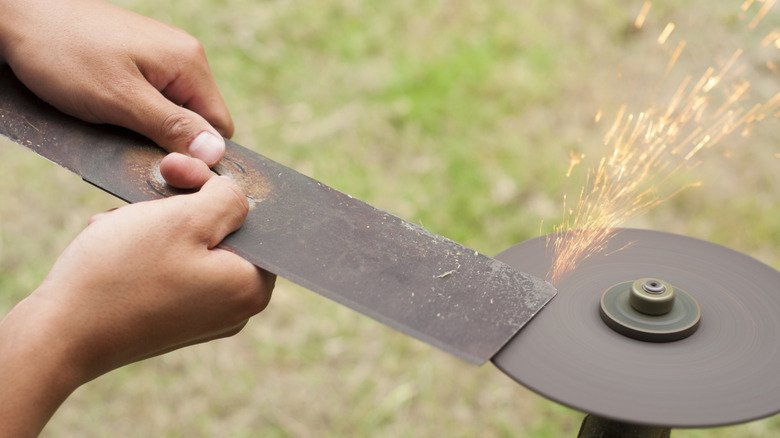
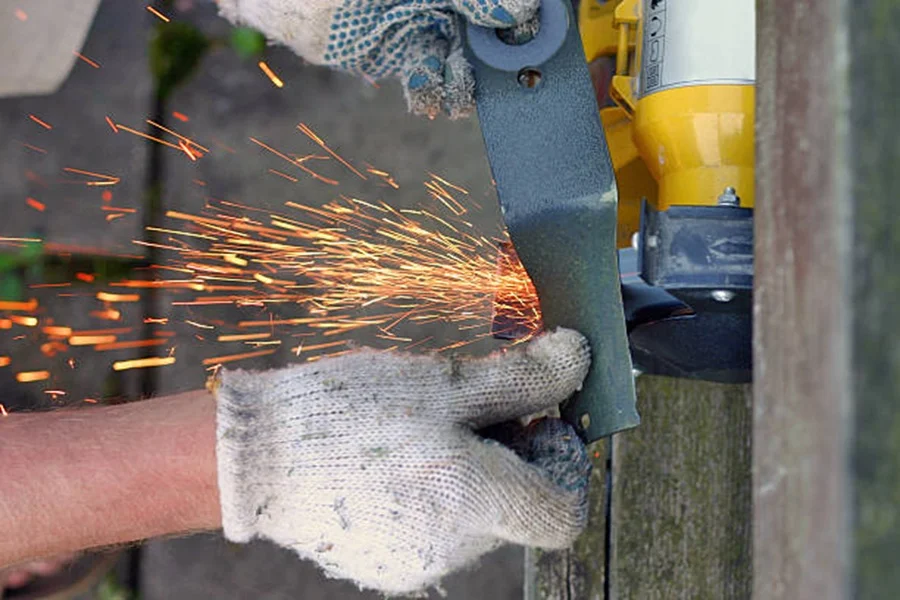
Choosing the right tool makes the job easier and more effective. You can use a handheld sharpening stone, a bench grinder, or an electric rotary tool with a sharpening attachment.
- Handheld sharpening stone:Great for quick touch-ups and easy to control.
- Bench grinder:Offers faster sharpening but requires a steady hand to avoid over-grinding.
- Electric rotary tool:Combines speed with precision for those comfortable with power tools.
In my experience, starting with a sharpening stone builds confidence before moving to power tools. What tools do you already have around the house that could make this task easier?
Safety Precautions
Sharpening mower blades can be dangerous if you’re not careful. Always disconnect the spark plug wire before removing blades to prevent accidental starts.
Wear heavy gloves to protect your hands from sharp edges and eye protection to guard against metal shards. Secure the blade firmly before sharpening to avoid slips.
Remember, a steady hand and patience reduce mistakes and injuries. Have you prepared your workspace to keep distractions and hazards away?

Credit: www.youtube.com
Storage Best Practices
Proper storage protects mower blades from damage and rust. It keeps blades sharp for longer and ready to use. Follow these storage best practices to maintain your blades’ condition during off-season or breaks.
Cleaning Before Storage
Remove grass, dirt, and debris from blades. Use a brush or cloth for easy cleaning. Dry blades well to stop rust from forming. Clean blades prevent buildup that dulls cutting edges.
Dry And Safe Storage Areas
Store mower blades in a dry place away from moisture. Avoid damp garages or sheds that cause rust and corrosion. Use a container or hang blades to keep them off the ground. Keep blades safe from impacts and dirt.
Blade Removal For Long-term Storage
Take blades off the mower if storing for months. This stops moisture from damaging blades and mower parts. Store blades separately in a dry, safe spot. Check blades regularly for rust or damage during storage.
Credit: simpsonoutdoorsmagee.com
Frequently Asked Questions
How Often Should Mower Blades Be Sharpened?
Sharpen mower blades every 20-25 hours of use or at least once per mowing season. Regular sharpening ensures clean cuts and reduces turf damage.
What Materials Cause Mower Blades To Dull Quickly?
Hard materials like rocks, sticks, and thick branches dull blades faster. Avoid mowing over these to extend blade sharpness and mower efficiency.
How Can I Store Mower Blades To Prevent Dulling?
Clean and dry blades before storage. Store in a dry, cool place to avoid rust and corrosion, which can dull blades prematurely.
Is Blade Balance Important For Preventing Dullness?
Yes, balanced blades reduce vibrations and uneven wear. Unbalanced blades dull faster and can damage your mower’s engine or deck.
Conclusion
Keeping mower blades sharp saves time and effort. Clean blades often and check them regularly. Avoid hitting rocks and hard objects during mowing. Store the mower in a dry place to prevent rust. Sharpen blades carefully or get help if unsure.
Sharp blades cut grass cleanly and keep your lawn healthy. Small steps make a big difference in blade life. Follow these tips to enjoy a smooth mowing experience.