Your lawn has worked hard all year to stay green and healthy. Now that fall mowing is done, it’s time to get your lawn ready for winter.
Preparing your lawn the right way can save you a lot of trouble come spring. Imagine waking up to a lush, green yard instead of patches of dead grass. You’ll discover simple, effective steps to protect your lawn during the cold months.
Keep reading to learn how to give your lawn the care it deserves before winter sets in.
Credit: golfcourselawn.store
Final Mowing Techniques
The optimal grass heightfor the final mowing is usually around 2 to 2.5 inches. This height helps protect the grass from cold and snow.
Blade sharpnessis very important. Dull blades can tear the grass, making it weak and prone to disease. Always use a sharp blade for a clean cut.
The mowing frequencyslows down as the weather cools. Mow only when the grass grows more than usual. Avoid cutting too short in the last mow to keep grass healthy through winter.
Clearing Lawn Debris
Removing leavesis vital to keep the lawn healthy. Leaves block sunlight and trap moisture. This can cause mold and kill grass. Use a rake or leaf blower to clear them away. Try to remove leaves frequently during fall.
Clearing twigs and branchesprevents damage to lawn equipment and stops pests from hiding. Collect fallen twigs and branches in a pile for easy disposal. This also helps the lawn look neat and tidy.
A clean lawnhelps grass grow strong through winter. It stops diseases and allows air and water to reach roots. A tidy yard means a better lawn come spring. Regular cleanup protects your lawn all winter long.
Soil Care Tips
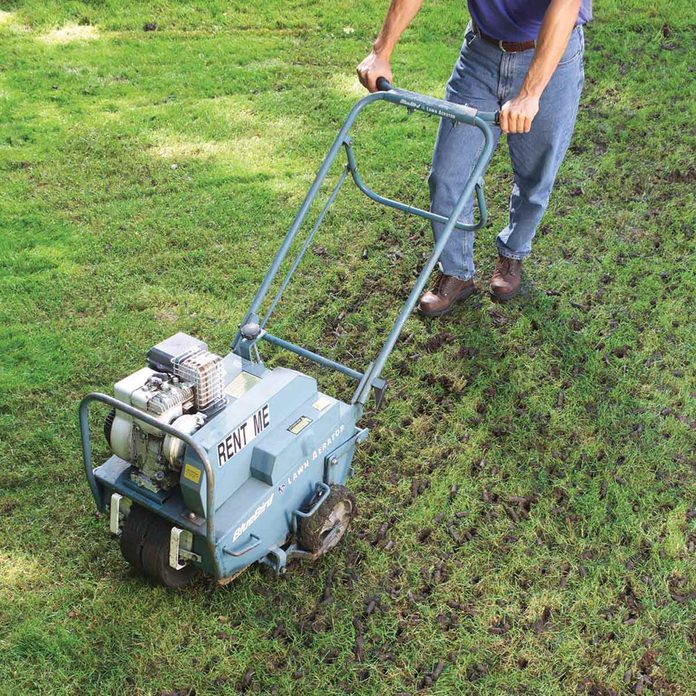
Aerationhelps air, water, and nutrients reach grass roots. It reduces soil compaction and improves root growth. Small holes allow the soil to breathe, which is important before winter. It also helps grass absorb fertilizerbetter.
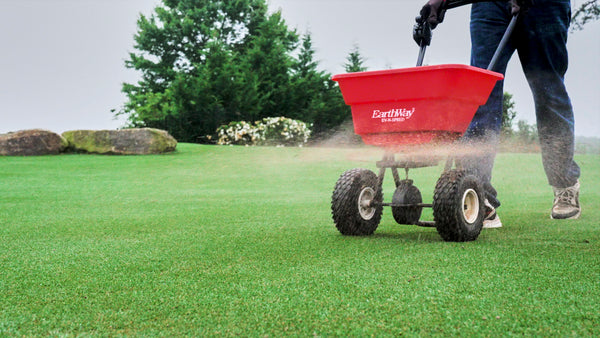
Fertilizingbefore winter gives the lawn energy to survive cold months. Use a fertilizer high in potassiumto help roots stay strong. Avoid too much nitrogen, which can cause weak growth. Fertilizing after fall mowing prepares grass for a healthy spring.
Checking and adjusting the soil’s pH levelhelps grass absorb nutrients well. Most grasses grow best in soil with a pH between 6.0 and 7.0. Use lime to raise pH or sulfur to lower it. Testing soil pH is easy with kits available at garden stores.
Credit: www.familyhandyman.com
Watering Strategies
Water the lawn deeply but less often to strengthen roots before winter. Avoid overwatering to prevent fungal growth and lawn damage.
Timing Before Frost
Ensure your lawn is watered properly before frost hits. Watering should occur early in the day. This allows the grass to absorb water before night. Wet grass at night can freeze and damage it.Proper Hydration Levels
Grass needs enough water to stay healthy. Too much water can harm the lawn. Water the lawn once a week if there’s no rain. Check the soil to ensure it is moist but not soggy. This balance is key for a healthy lawn. `Protecting Lawn From Winter
Applying mulchhelps keep the soil warm and moist. It also protects grass roots from freezing. Spread a thin layer of mulch over the lawn after mowing. Avoid thick layers that block sunlight and air.
Using winter coverslike frost blankets can shield your lawn from harsh cold. These covers trap heat and prevent ice damage. Make sure to remove them during sunny days to let the grass breathe.
- Preventing snow moldis key for a healthy lawn. Snow mold grows under snow and can harm grass.
- Keep grass mowed short before winter.
- Avoid piling leaves or debris on the lawn.
- Improve drainage to reduce standing water under snow.

Credit: landzie.com
Frequently Asked Questions
How Often Should I Mow Before Winter Preparation?
Mow your lawn regularly until growth slows in late fall. Keep grass height around 2. 5 to 3 inches for winter. Avoid cutting too short to protect roots from cold damage. Consistent mowing helps maintain lawn health before winter dormancy.
When Is The Best Time To Fertilize After Fall Mowing?
Apply fertilizer in late fall, about two weeks after final mowing. Use a slow-release, winterizing fertilizer rich in potassium. This strengthens grass roots and improves cold tolerance. Fertilizing at the right time supports lawn recovery and winter survival.
Should I Rake Leaves Before Preparing Lawn For Winter?
Yes, remove leaves before winter preparation to prevent mold and suffocation. Raking keeps grass healthy and reduces pests. Clear debris allows sunlight and air to reach the soil. This promotes a strong, healthy lawn for spring growth.
How Long Should Grass Be After Final Fall Mowing?
Keep grass height between 2. 5 and 3 inches after the last mow. This length protects the crown and roots from frost damage. Avoid cutting too short, which stresses the lawn. Proper height supports winter survival and early spring greening.
Conclusion
Preparing your lawn for winter after fall mowing helps keep it healthy. Clear leaves and debris to prevent mold and disease. Water your lawn well before the ground freezes. Apply a light layer of fertilizer to support root growth. Avoid heavy foot traffic on the grass during winter.
These small steps protect your lawn through cold months. Your lawn will stay strong and green next spring. A little care now saves you time and effort later. Winter-ready lawns start with simple fall habits.