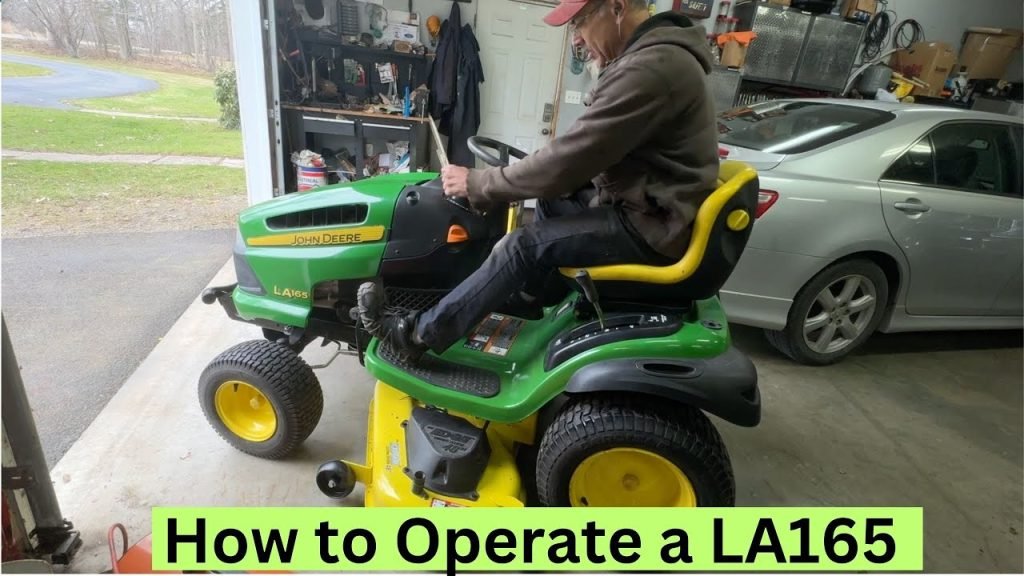
Are you ready to transform your lawn care routine with the power and efficiency of a John Deere riding mower? Imagine the satisfaction of a perfectly manicured lawn, achieved with minimal effort and maximum enjoyment.
Whether you’re a proud new owner or contemplating a purchase, mastering the operation of this powerful machine is your next step. In this guide, you’ll discover how easy it is to operate a John Deere riding mower, turning what could be a daunting task into an enjoyable, straightforward experience.
Dive in and equip yourself with the knowledge to handle your mower like a pro, ensuring your lawn becomes the envy of the neighborhood. The path to a lush, green garden starts here—let’s get mowing!
Choosing The Right Model
Choosing the right John Deere riding mower is key for a smooth mowing experience. Different models fit different yard sizes and needs. Picking a mower that matches your landscape saves time and effort. It also improves cutting quality and mower lifespan.
Compact Vs. Full-size Mowers
Compact mowers suit small to medium lawns. They are easier to steer and store. Their size helps in tight spaces and around obstacles.
Full-size mowers work well on large yards. They cover more ground quickly. These models usually have bigger decks and stronger engines.
Think about your yard size and obstacles before choosing. Compact mowers offer more agility. Full-size mowers provide power and speed.
Engine Power And Features
Engine power affects how fast and smooth the mower runs. Higher horsepower handles thick grass and slopes better.
Basic models have enough power for flat, simple lawns. Advanced models include features like cruise control, adjustable cutting heights, and mulching options.
Choose an engine size and features that match your yard’s demands. Extra features can make mowing easier but may increase cost and maintenance.
Preparing The Mower
Preparing your John Deere riding mower properly sets the stage for a smooth and safe mowing experience. Taking a few moments before you start can save you time, money, and unexpected headaches later. Let’s look at key steps that make your mower ready to perform at its best.
Safety Checks
Before you even think about starting the engine, make sure your mower is on a flat surface with the parking brake engaged. Check that all safety shields and guards are in place and secure. Don’t forget to inspect the tires for proper inflation—uneven pressure can affect your control and cut quality.
Have you checked the operator presence control system? This safety feature stops the blades if you leave the seat, preventing accidents. Always wear sturdy shoes and avoid loose clothing to keep yourself protected while operating the mower.
Fuel And Oil Levels
Running out of fuel halfway through mowing is frustrating and avoidable. Open the fuel cap and fill the tank with fresh gasoline, avoiding old or contaminated fuel. Use unleaded gasoline with the recommended octane rating as stated in your mower’s manual.
Oil is the lifeblood of your mower’s engine. Check the oil level using the dipstick—pull it out, wipe it clean, reinsert, and then pull it out again to read the level. Top off with the specified oil type if necessary, but never overfill. Clean oil ensures smooth engine operation and extends the life of your mower.
Blade Inspection
Sharp blades are crucial for a clean cut and healthy lawn. Before each use, inspect the blades for any nicks, bends, or dull edges. If you spot any damage, it’s time to sharpen or replace the blades to avoid tearing the grass, which can cause disease.
Always disconnect the spark plug wire before handling blades to prevent accidental starts. Have you tried balancing your blades? Balanced blades reduce vibration and wear on the mower’s components, making your ride more comfortable and your mower more efficient.
Starting The Mower
Starting your John Deere riding mower properly sets the stage for a smooth and safe mowing experience. Each step ensures the mower runs efficiently and reduces wear on the engine. Follow these easy guidelines to get your mower ready to work.
Proper Seat And Control Position
Sit firmly on the mower seat. Adjust it so you reach all controls comfortably. Both feet should rest flat on the footrests. Check that the parking brake is engaged. Make sure the blade control switch is off. This setup prevents accidents and helps you control the mower easily.
Engaging The Ignition
Insert the key into the ignition switch. Turn it to the “on” position to activate the electrical system. Look at the dashboard for any warning lights. Wait for the glow plug light to turn off, if your model has one. Then, turn the key further to start the engine. Release the key once the engine runs smoothly.
Warm-up Procedures
Let the engine idle for a few minutes after starting. This warms up the oil and engine parts. Avoid engaging the blades or moving the mower immediately. A warm engine runs better and lasts longer. Keep the mower in neutral and watch for stable engine sound before mowing.

Credit: www.ebay.com
Operating Controls
Understanding the operating controls of your John Deere riding mower is key to a smooth and efficient mowing experience. These controls give you the power to adjust speed, steer precisely, and engage the mower blades safely. Mastering them will help you maintain your lawn with confidence and ease.
Throttle And Speed Settings
The throttle controls the engine speed, which directly affects how fast your mower moves and how powerful the blades cut. You’ll usually find a lever or knob marked with turtle and rabbit icons—turtle for slower speeds and rabbit for faster.
Start your mower at a low throttle setting to get a feel for the controls. Increase speed gradually as you become comfortable. Keep in mind that faster speeds don’t always mean better cuts; sometimes slower and steady wins the race, especially on uneven terrain.
Steering Techniques
Steering a John Deere riding mower is straightforward but requires some practice to navigate tight spaces and corners smoothly. Use gentle, deliberate turns instead of sharp jerks to avoid damaging your lawn or mower.
When cutting around obstacles like trees or flower beds, try to plan your path in advance. Using the mower’s wide turning radius smartly can save you time and prevent unnecessary wear on your equipment. Have you noticed how smoother steering helps reduce fatigue during longer mowing sessions?
Using The Pto And Blades
The Power Take-Off (PTO) switch engages the mower blades. Always ensure the mower is at idle before turning the PTO on or off to avoid damaging the blades or engine. This safety step protects both you and the machine.
Once engaged, listen for any unusual sounds and watch the blade indicator to confirm they’re spinning properly. Disengage the PTO when crossing gravel paths or areas where you don’t want to cut. This helps prevent accidents and prolongs blade life.
Mowing Strategies
Effective mowing strategies improve the performance of your John Deere riding mower. Proper planning and adjustments help you achieve a clean, even cut. These tips also protect the mower and lawn from damage. Follow simple steps to mow smarter and faster.
Pattern Planning
Choose a mowing pattern that covers your lawn efficiently. Straight lines work well for large, flat areas. Overlap each pass slightly to avoid uncut strips. Change directions each time you mow to prevent grass from leaning. Circular or spiral patterns suit small or irregular lawns. Consistent patterns save time and fuel.
Adjusting Cutting Height
Set the cutting height based on grass type and season. Taller grass stays healthier during hot weather. Shorter cuts give a neat look but can stress grass. Avoid cutting more than one-third of the grass blade at once. Use the mower’s height adjustment lever to change settings easily. Check the height regularly for best results.
Handling Slopes And Obstacles
Drive slowly on slopes to maintain control and avoid tipping. Mow across slopes, not up and down, for safety. Watch for rocks, tree roots, and garden beds. Stop the mower to remove or avoid obstacles. Keep blades sharp to cut cleanly around obstacles. Careful handling protects both the mower and your lawn.

Credit: www.youtube.com
Maintenance Tips
Maintaining your John Deere riding mower is key to keeping it running smoothly season after season. Simple care routines can prevent costly repairs and extend the life of your machine. Let’s dive into some essential maintenance tips that you can easily manage yourself.
Cleaning And Storage
After each use, clear away grass clippings and debris from the mower deck and blades. This prevents rust and ensures a clean cut next time you mow. Use a brush or a garden hose, but avoid spraying directly on electrical parts.
When storing your mower for a long period, like over winter, make sure it’s kept in a dry, sheltered place. Remove the battery or keep it on a trickle charger to avoid draining. You might also want to cover your mower with a breathable tarp to protect it from dust and moisture.
Regular Servicing
Check the oil level before every use and change it according to the manufacturer’s schedule—usually every 50 hours of operation. Don’t forget to replace the oil filter at the same time to keep the engine clean.
Inspect the air filter regularly. A clogged air filter can reduce engine performance and increase fuel consumption. Cleaning or replacing it is a quick fix that keeps your mower running efficiently.
Blade Sharpening
Dull blades tear grass instead of cutting it cleanly, which can harm your lawn’s health. Sharpen your mower blades at least once a season or more often if you mow frequently.
Removing the blades and sharpening them with a file or grinder is straightforward, but always wear protective gloves and follow safety guidelines. If you’re unsure, many local service shops offer blade sharpening at a reasonable cost.
Troubleshooting Common Issues
Operating a John Deere riding mower can be smooth, but sometimes issues pop up that slow you down. Troubleshooting common problems quickly helps you get back to work without frustration. Let’s look at some typical challenges and how you can fix them yourself.
Engine Problems
If your mower’s engine sputters or won’t run smoothly, it could be due to a dirty air filter, old fuel, or spark plug issues. Start by checking the air filter; a clogged one restricts airflow and chokes the engine. Replacing or cleaning it usually solves the problem.
Fuel quality also matters. Gasoline that’s been sitting for months can cause poor engine performance. Drain the old fuel and refill with fresh gas if your mower has been idle for a while.
Don’t overlook the spark plugs. A worn or fouled spark plug can prevent the engine from firing properly. Removing it to inspect and replace if necessary often restores smooth operation.
Uneven Cutting
Uneven cutting is frustrating and makes your lawn look patchy. Check if the mower blades are dull or damaged. Sharp blades ensure a clean, even cut.
Another common cause is incorrect deck height. If one side is set higher than the other, your grass will be cut unevenly. Adjust the deck height according to your mower’s manual to level the cut.
Don’t forget to inspect the tires. Uneven tire pressure can tilt the mower, causing uneven cuts. Make sure all tires are inflated to the recommended level.
Starting Difficulties
Having trouble starting your John Deere mower can be frustrating, especially when you’re ready to work. First, check the battery connections. Loose or corroded terminals can interrupt the electrical flow.
Ensure the safety switches are engaged. Most riding mowers won’t start unless the brake is pressed and the blade engagement is off. Skipping these checks is a common mistake.
If the engine still won’t start, inspect the fuel system for blockages or leaks. Clogged fuel lines or a dirty fuel filter can prevent fuel from reaching the engine. Cleaning or replacing these parts can often fix the issue.
Have you noticed a pattern in your mower’s problems? Sometimes, regular maintenance prevents many of these issues from happening in the first place. How often do you perform basic checks on your mower?
Credit: www.consumerreports.org
Frequently Asked Questions
How Do I Start A John Deere Riding Mower?
To start, sit on the mower seat and insert the key. Ensure the parking brake is engaged. Press the clutch or brake pedal, then turn the key to start the engine. Release the clutch slowly for smooth operation.
What Safety Tips Should I Follow When Using It?
Always wear protective gear like gloves and goggles. Keep children and pets away. Check the mower blades before use. Avoid mowing on steep slopes. Turn off the engine before cleaning or refueling.
How Do I Adjust The Cutting Height On John Deere Mowers?
Locate the height adjustment lever or knob near the mower deck. Move it to your desired cutting height, usually marked in inches. Adjust according to grass length and lawn condition for the best mowing results.
When Should I Perform Maintenance On My Riding Mower?
Perform basic maintenance every 25 hours of use or monthly. Check oil, clean air filters, and inspect blades. Replace spark plugs yearly. Regular maintenance extends mower life and ensures optimal performance.
Conclusion
Operating a John Deere riding mower is simple with practice. Follow the safety steps carefully every time you use it. Regular checks keep the mower running smoothly and last longer. Take your time to learn the controls before starting. Clean the mower after each use to avoid problems.
Enjoy a neat and well-kept lawn with ease. Keep these tips in mind for safe, effective mowing. Your mower will serve you well with proper care.





