If you want a lush, green lawn that stays healthy all summer, knowing how to mow warm season grasses is key. These grasses grow differently from cool season types, so the way you cut them can make a big difference.
Are you ready to learn simple mowing tips that will keep your yard looking its best? Keep reading, and you’ll discover easy steps to make your warm season grass thrive like never before.

Credit: growcycle.com
Choosing The Right Mower
Choosing the right mowerdepends on the type of warm season grass. Reel mowerscut grass cleanly and are best for fine grasses like Bermuda. Rotary mowersare more common and can handle thicker grass like Zoysia. Gas-powered mowers are good for large lawns, while electric ones suit smaller areas.
Blade selectionis key. Sharp blades cut grass smoothly and help prevent disease. Dull blades tear grass, causing brown tips. Check blades often and sharpen them every 20-25 hours of use.
| Type of Mower | Best For | Notes |
|---|---|---|
| Reel Mower | Fine warm season grasses | Clean cut, low noise |
| Rotary Mower | Thicker grasses and larger lawns | More powerful, versatile |
| Electric Mower | Small lawns | Easy to start, less noise |
| Gas-Powered Mower | Large areas | High power, requires fuel |

Credit: moxieservices.com
Best Mowing Height
Different warm season grasses need different mowing heights. Setting the right height helps the grass grow strong and healthy.
| Grass Type | Ideal Mowing Height (inches) |
|---|---|
| Bermuda Grass | 1 to 2 |
| Zoysia Grass | 1.5 to 2.5 |
| St. Augustine Grass | 2.5 to 4 |
| Centipede Grass | 1.5 to 2.5 |
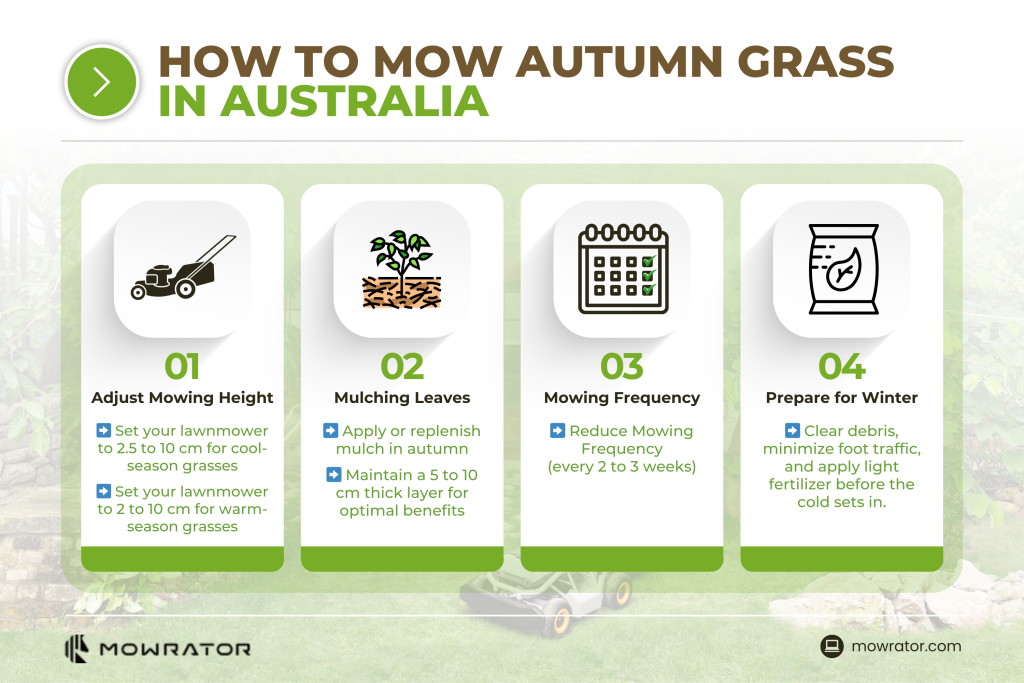
Adjust mower blades to match the grass height. Check mower settings before every cut. Sharp blades give a clean cut and prevent grass damage. Avoid cutting more than one-third of the grass height at once. This keeps the lawn healthy and green.
Mowing Frequency
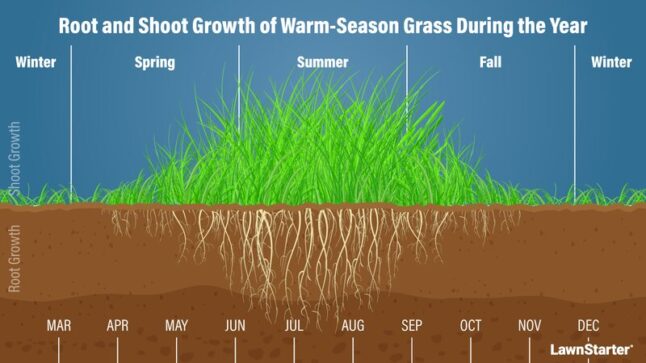
Warm season grasses grow fast in spring and summer. Mow more often during these months, about once a week. In cooler months, mowing slows to every two or three weeks.
Keep the grass height between 2 to 3 inches. Cutting too short can hurt the grass roots. Leaving it too long can cause thatch build-up and pests.
| Season | Mowing Frequency | Grass Height |
|---|---|---|
| Spring | Once a week | 2 to 3 inches |
| Summer | Once a week | 2 to 3 inches |
| Fall | Every 2 weeks | 2 to 3 inches |
| Winter | Every 3 weeks or less | Do not mow unless needed |
- Grass blades are taller than 3 inches.
- Grass starts to look uneven or patchy.
- Grass grows faster after rain.
- Edges near sidewalks or driveways look untidy.
Mowing Techniques
Warm season grasses grow best when mowed at higher heights to protect roots and reduce stress. Cutting only one-third of the grass blade keeps the lawn healthy and green. Regular mowing with sharp blades promotes even growth and a neat appearance.
Proper Mowing Patterns
Mow in straight lines for best results. This keeps the grass even. Change the direction each week. This helps the grass grow straight. Overlapping the mower’s path prevents missed spots. Never cut more than one-third of the grass height. This keeps the lawn healthy and green. Mowing in the morning or late afternoon is best. Avoid mowing when the grass is wet.
Avoiding Common Mowing Mistakes
Keep mower blades sharp for clean cuts. Dull blades tear the grass. Check the mower’s height setting before mowing. Cutting too short harms the grass. Remove any sticks and stones before you start. These objects can damage the mower. Clean the mower deck after each use. Grass buildup can cause problems.
Post-mowing Care
Grass clippingscan either be left on the lawn or collected. Leaving clippings helps return nutrientsto the soil. It also reduces the need for extra fertilizer. Clippings should be small and dry to avoid clumping. Clumping can block sunlight and harm the grass.
Collect clippings if the lawn is very tall or wet. Use them in compost or as mulch in garden beds. Avoid piling clippings in thick layers on the lawn.
- Water the lawn after mowing to help it recover.
- Use about 1 inch of water to soak the soil.
- Water early in the morning to reduce evaporation.
- Avoid overwatering to prevent root problems.
Proper watering keeps grass healthy and green. It also reduces stress on warm season grasses after mowing.
Credit: www.lawnstarter.com
Troubleshooting Lawn Issues
Patchy areasoften happen because of poor soil or lack of water. Fix by aeratingthe soil to improve air and water flow. Use grass seedmade for warm-season lawns to fill gaps. Water lightly but often until grass grows well. Avoid walking on wet patches to help new grass settle.
Weedscompete with grass for nutrients and water. Remove weeds by pulling them out gently. Use a weed controlproduct safe for warm-season grasses. Mow regularly to keep grass thick and stop weeds from growing. Healthy, dense grass is the best defense against weeds.
Frequently Asked Questions
What Is The Best Mowing Height For Warm Season Grasses?
The ideal mowing height for warm season grasses is typically between 1 to 3 inches. This range promotes healthy growth, reduces weed invasion, and helps maintain a lush lawn. Adjust height based on grass type and season for optimal results.
How Often Should I Mow Warm Season Grasses?
Mow warm season grasses once every 5 to 7 days during peak growing season. Regular mowing encourages thick, healthy turf and prevents grass from becoming too tall. Reduce frequency in cooler months when growth slows.
Can I Mow Warm Season Grasses When Wet?
It’s best to avoid mowing warm season grasses when wet. Wet grass blades can clump, clog the mower, and cause uneven cuts. Wait until the grass dries to ensure a clean, healthy cut.
Why Is Mowing Warm Season Grasses Important In Summer?
Mowing warms season grasses in summer controls growth and encourages strong roots. Proper mowing reduces stress from heat and drought. It also prevents thatch buildup and keeps your lawn looking neat.
Conclusion
Mowing warm season grasses helps keep your lawn healthy and neat. Cut grass at the right height to avoid stress. Regular mowing stops weeds and promotes strong growth. Always use sharp blades for clean cuts. Water and fertilize after mowing for best results.
A well-maintained lawn looks great and lasts longer. Simple steps make lawn care easy to follow. Enjoy a green, lush yard all season long.