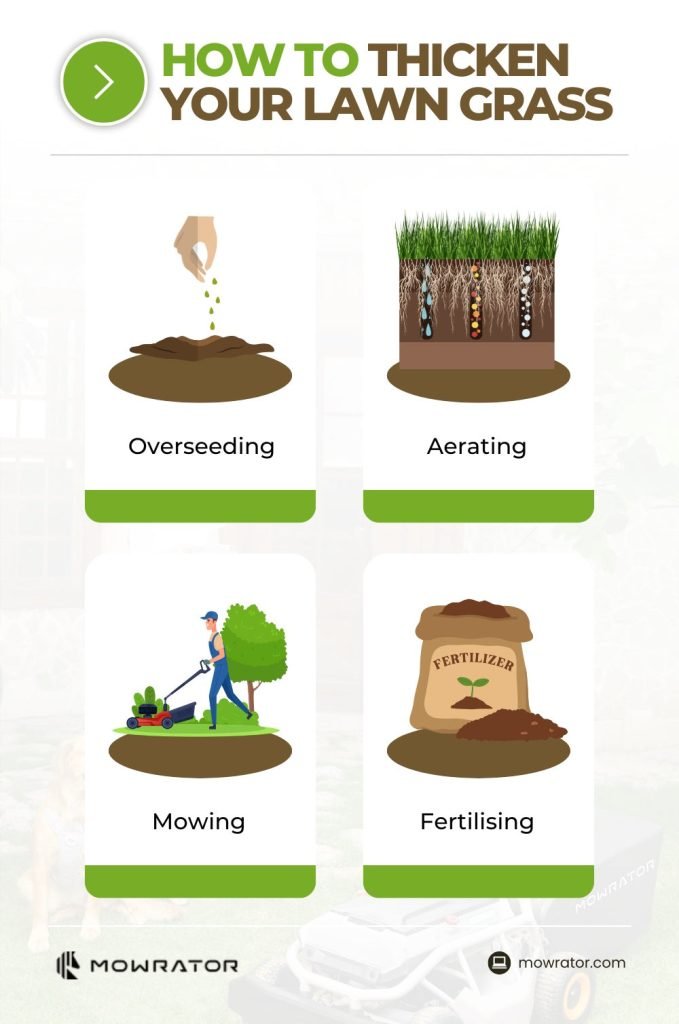
Are you struggling to keep your lawn looking neat because your grass is too thick? Mowing thick grass can feel like a tough job, but it doesn’t have to be.
With the right tips and tools, you can easily tame your lawn and make it look fresh and healthy. You’ll discover simple, effective ways to mow thick grass without stressing yourself or damaging your mower. Keep reading, and you’ll learn how to turn your overgrown lawn into the envy of your neighborhood.
Choosing The Right Mower
Different types of mowerswork well for thick grass. A self-propelled mowerhelps move easily through dense patches. A lawn tractorcovers large areas fast and with less effort. Rotary mowerscut thick grass effectively but need sharp blades. Reel mowersare better for thin, even grass but struggle with thick growth.
| Key Feature | Why It Matters |
|---|---|
| Blade Sharpness | Sharp blades cut thick grass cleanly without tearing. |
| Engine Power | More power helps mower handle dense, tall grass easily. |
| Cutting Height Adjustment | Allows raising blades to avoid scalping thick grass. |
| Self-Propelled Feature | Makes pushing through thick grass less tiring. |
Keep mower blades sharpby sharpening regularly. Clean mower deck to prevent grass buildup. Check and change oil often for smooth engine work. Inspect air filters and replace if clogged. Tighten bolts and nuts to avoid loose parts. Store mower in a dry place to stop rust.
Preparing Your Lawn
Clear all sticks, stones, and toysfrom the lawn. This prevents damage to the mower and keeps the cut smooth. Check for any hidden obstacleslike sprinkler heads or garden edges. Removing debris helps avoid accidents and keeps your mower blades sharp.
Choose the right time to mow thick grass. Grass is best cut when it is dry. Mowing wet grass can clog the mower and cause uneven cuts. Avoid mowing during the hottest part of the day to reduce stress on your lawn.
Set the mower height to the right level. For thick grass, use a higher mower setting. This keeps the grass healthy and prevents scalping. Cutting too short can damage the grass roots and make your lawn look patchy.
Mowing Techniques
Mowing thick grass is easier with multiple passes. Start by cutting a small section at a time. This helps prevent the mower from getting stuck or bogged down.
Use slow and steady movementsto keep control. Moving too fast can damage the grass or make the mower work harder. Take your time and keep a smooth pace.
| Speed | Effect | Tip |
|---|---|---|
| Too Fast | Uneven cuts, mower strain | Slow down for better results |
| Too Slow | Wastes time | Maintain steady pace |
| Just Right | Clean cut, smooth mowing | Adjust speed based on grass thickness |

Credit: au.mowrator.com
Post-mowing Care
Allow grass to rest and recover after mowing by watering lightly and avoiding heavy foot traffic. Clearing clippings helps prevent disease and keeps your lawn healthy. Regular care supports thick grass growth over time.
Cleaning The Mower
After mowing, it’s important to clean the mower. Grass and dirt can stick under the blades. Use a brush to remove stuck grass. Cleaning keeps the mower working well. It also prevents rust.
Dealing With Grass Clippings
Grass clippings can be useful. Leave them on the lawn for extra nutrients. They turn into natural fertilizer. Or, use them in a compost pile. Clippings help the garden grow.
Watering And Fertilizing Tips
Water the grass deeply, not often. This helps roots grow strong. Use fertilizer in small amounts. Too much can harm the grass. Follow instructions on the fertilizer bag. This keeps the lawn healthy and green.
Troubleshooting Common Issues
Mower clogshappen when grass is too thick or wet. Stop the mower and clear the blades carefully. Use a stick or tool to remove stuck grass. Avoid touching blades with hands.
Uneven cuts often occur from dull blades or wrong mower height. Sharpen blades regularly for a smooth cut. Adjust the mower height to match grass thickness. Mow slowly to let blades cut cleanly.
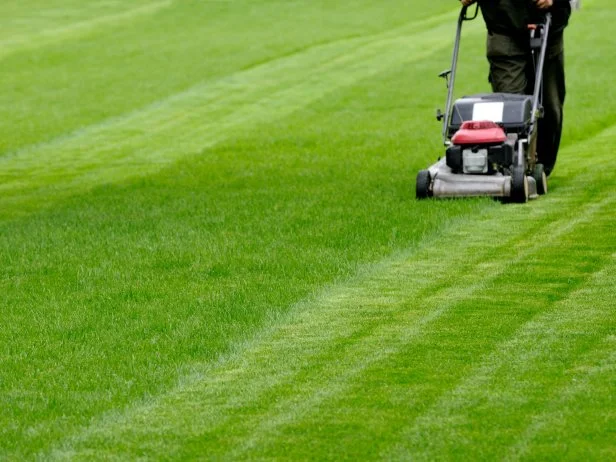
Overgrown patches need extra care. Mow these areas last to avoid spreading clogs. Cut in several passes, lowering the blade each time. Rake clippings to keep grass healthy and neat.
Credit: www.hgtv.com

Credit: www.searshomeservices.com
Frequently Asked Questions
How Often Should I Mow Thick Grass?
Mow thick grass every 5 to 7 days during peak growth. Regular mowing keeps grass healthy, dense, and prevents overgrowth.
What Height Is Best For Mowing Thick Grass?
Keep thick grass at 3 to 4 inches tall. This height promotes strong roots and shades out weeds effectively.
Should I Use A Sharp Blade For Thick Grass?
Yes, always use a sharp blade to cut thick grass cleanly. Dull blades tear grass, causing stress and disease risk.
Can I Mow Thick Grass When Wet?
Avoid mowing thick grass when wet. Wet grass clumps, clogs the mower, and causes uneven cuts.
Conclusion
Mowing thick grass takes patience and the right tools. Cut the grass slowly to avoid damage. Keep your mower blades sharp for clean cuts. Adjust the mower height to prevent stress on grass. Regular mowing helps keep your lawn healthy and neat.
Remember to clear any debris before starting. Follow these steps for a green, well-kept yard. Your lawn will thank you with lush, strong grass. Simple care makes a big difference in lawn health.





