Is your lawn looking patchy and thin under the shade? Mowing shady lawn grass can be tricky, but with the right approach, you can transform your yard into a lush, green oasis.
You might be wondering why your grass struggles to grow where the sun barely reaches. The secret lies in how you mow and care for it. Keep reading, and you’ll discover simple tips that make a big difference. By the end, you’ll know exactly how to keep your shady lawn healthy and thriving, no matter how little sunlight it gets.
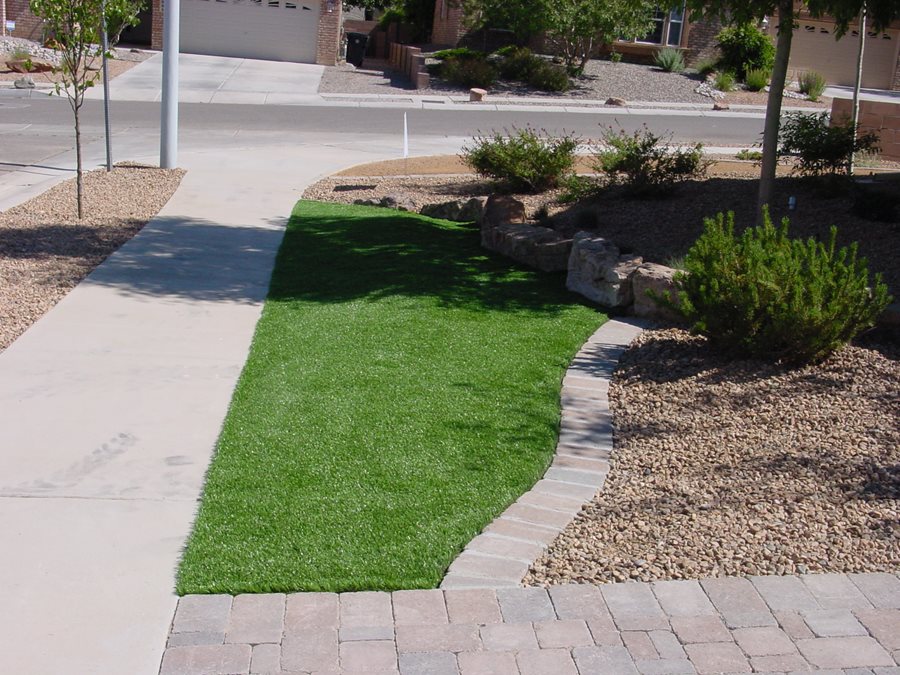
Credit: www.landscapingnetwork.com
Choosing Grass For Shade
Grass in shady areas grows slower and needs higher cutting to stay healthy. Mow with sharp blades and avoid cutting too short to prevent stress. Frequent, gentle mowing helps keep shade-loving grass thick and green.
Best Grass Types For Shade
Grass that grows well in shade needs less sunlight. Some types are better for shady lawns:
- Fine Fescue:Tolerates low light and stays green.
- St. Augustine Grass:Grows thick and handles shade well.
- Zoysia Grass:Thrives in partial shade and is hardy.
- Perennial Ryegrass:Good for cool, shady spots.
Seed Vs. Sod Options
Choosing between seed and sod depends on time and budget.
| Option | Pros | Cons |
|---|---|---|
| Seed | Less expensive, more grass types available | Takes longer to grow, needs care |
| Sod | Instant lawn, less weed growth | More expensive, limited grass types |
Preparing The Soil
Testing soil helps to know its health and what it needs. Take small soil samples from different spots. Send them to a lab or use a home test kit. This shows pH level and nutrients present. Adjust soil by adding lime to raise pH or sulfur to lower it. Add organic matter like compost to improve soil texture and nutrients.
Drainage is important for shady lawns. Poor drainage causes water to stand, harming grass roots. To improve drainage:
- Mix sand or organic matter into the soil to help water flow.
- Create small slopes to guide excess water away from lawn areas.
- Use raised beds or mounds for grass areas with very poor drainage.
- Check and clear gutters and drains to stop water from pooling.
Mowing Techniques For Shade
Optimal mowing heightfor shady grass is taller than sunny grass. Set your mower blade between 3 to 4 inches. Taller grass helps capture more sunlight in shaded areas. Cutting too short can stress the grass and cause thinning.
Mowing frequencyshould be less often than sunny lawns. Grass grows slower in shade, so mow every 10 to 14 days. Avoid cutting more than one-third of the grass height at once. This keeps the grass healthy and strong.
Using the right mowermatters. A mower with a sharp blade makes clean cuts. Reel mowers or mulching mowers work well in shaded lawns. They help return nutrients to the soil and reduce damage to grass blades.
Watering Strategies
Mow shady lawn grass when it’s dry to prevent damage. Keep the blades sharp for a clean cut. Adjust mower height to allow grass to grow slightly taller, promoting root strength.
Irrigation Timing
Water the lawn early in the morning. This helps grass absorb water. Morning watering prevents water evaporation. It keeps grass roots strong. Grass stays wet for a shorter time.
Avoiding Overwatering
Too much water can harm grass. Check soil moisture before watering. Push a finger into the soil. If it’s wet, don’t water. Overwatering leads to weak roots. Healthy roots need oxygen. Let the soil dry a bit between watering. This helps roots stay healthy.
Fertilizing For Dense Growth
Choosing the right fertilizerhelps grass grow thick in shade. Look for formulas with higher nitrogento support leaf growth. A mix labeled for shade or cool-season grassesworks well. Avoid fertilizers with too much phosphorus, as shaded grass needs less of it.
Apply fertilizer during the active growing seasons. Early spring and early fall are best. Spread fertilizer evenly to avoid patchy growth. Use a slow-release fertilizerto feed grass steadily over time.
| Time | Action |
|---|---|
| Early Spring | Apply nitrogen-rich fertilizer |
| Mid Summer | Use light feeding or none |
| Early Fall | Apply slow-release fertilizer |
Managing Shade Challenges
Moss and weedsoften grow in shady lawns because sunlight is limited. They can take over grass and make the lawn look unhealthy. Removing moss and weeds regularly helps grass grow better. Use a rake or a special moss remover to clear moss. Pull weeds out by hand or use safe weed killers that won’t hurt your grass.
Trimming trees is important to let more light reach the grass. Cut branches that block sunlight. This helps grass get the energy it needs to grow strong and green. Also, trimming trees improves air flow, which keeps the lawn dry and healthy.
Seasonal Care Tips
Shady lawns need special carein spring and summer. Keep grass height between 2.5 and 3 inches. This helps grass get enough sunlight and stay healthy. Mow less often to avoid stressing the grass. Water lawns deeply but less often, about 1 inch per week. Use a light raketo remove fallen leaves and debris, allowing air to reach the roots. Avoid cutting more than one-third of the grass height at a time. Use sharp mower blades for clean cuts.
In fall and winter, prepare the lawn for colder months. Remove fallen leaves regularly to prevent mold. Avoid heavy foot traffic on wet grass to stop damage. Apply a slow-release fertilizerto help grass store nutrients. Mow grass slightly shorter, around 2 inches, to reduce disease risks. Clear up garden debris to keep the lawn healthy through winter.
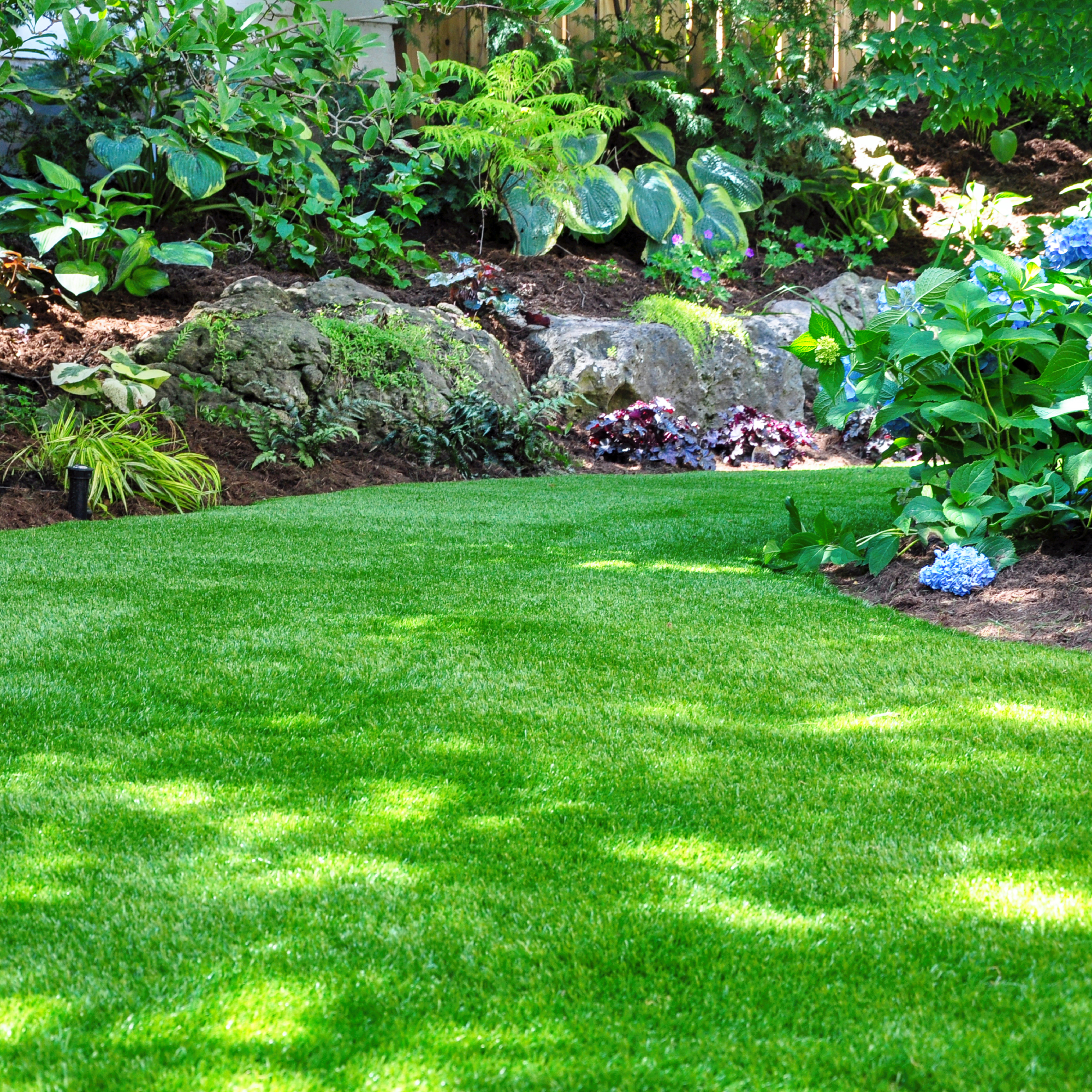
Credit: www.gardeningknowhow.com
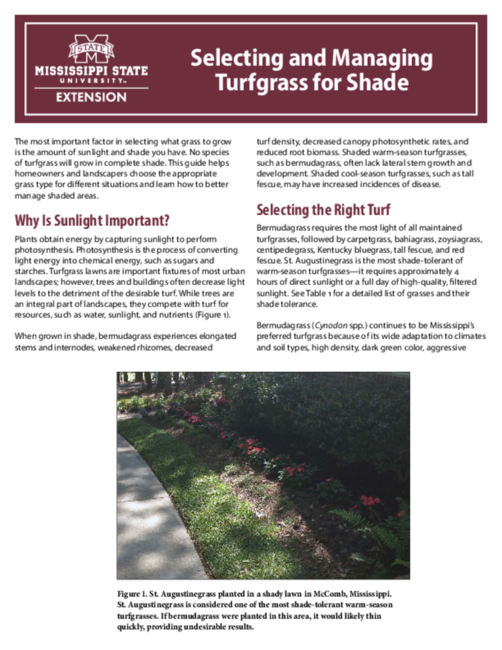
Credit: extension.msstate.edu
Frequently Asked Questions
What Grass Types Grow Best In Shady Lawns?
Fine fescues, St. Augustine grass, and zoysia thrive in shade. They tolerate low sunlight and maintain healthy growth. Choose grass suited to your region’s climate and shade level for best results.
How Often Should I Mow Grass In Shady Areas?
Mow shady grass every 7 to 10 days during growing season. Avoid cutting more than one-third of the blade height at once. This helps prevent stress and encourages healthy growth in low-light conditions.
What Mowing Height Is Ideal For Shady Lawns?
Set mower blades to 3 to 4 inches for shady grass. Taller grass blades capture more sunlight and develop deeper roots. This improves shade tolerance and keeps your lawn lush and green.
Can Watering Affect Mowing Shady Lawn Grass?
Yes, water early in the morning to reduce disease risk. Avoid overwatering, as shady lawns need less water than sunny lawns. Proper watering supports healthy grass and makes mowing easier.
Conclusion
Shady lawn grass needs special care and attention. Cut it at the right height to keep it healthy. Avoid cutting too short to prevent stress. Water the lawn gently and regularly for best results. Use sharp mower blades to avoid damage.
Watch your lawn’s growth and adjust mowing often. With patience, your shady lawn will grow strong and green. Keep these simple tips in mind for a beautiful yard. Enjoy a lush lawn, even in the shade.