You’ve just laid new sod, and now it’s time for the first mow. But how do you do it without damaging your fresh grass?
Mowing new sod isn’t as simple as it seems. If you cut too soon or too short, you could harm the roots and slow down growth. On the other hand, waiting too long might leave your lawn looking messy and uneven.
In this guide, you’ll learn exactly when and how to mow your new sod the right way. Follow these steps, and you’ll keep your lawn healthy, green, and thriving from day one. Keep reading to make sure your hard work pays off!
Preparing Your Lawn Mower
Choosing the right mower is key for new sod grass. A lawn mower with adjustable cutting heightworks best. This helps avoid cutting the grass too short, which can harm young roots.
Set the cutting height high at first, around 3 inches. Gradually lower it as the grass grows stronger. This protects the sod and encourages deep root growth.
Ensure your mower blades are sharp and clean. Dull blades tear the grass, causing stress and browning. Sharp blades make a clean cut, keeping your lawn healthy.

Credit: theturfgrassgroup.com
Timing Your First Mow
New sod needs time for its roots to grow deep into the soil. This usually takes about 2 to 3 weeks. Mowing too early can pull up the grass and damage it. Wait until the sod feels firmly attached to the ground before mowing.
Check the height of the grass before cutting. The grass should be at least 3 to 4 inches tall. Cutting when it is shorter can stress the grass. Use a sharp mower blade for a clean cut.
Mowing Techniques For New Sod
Set the mower blade to the highest setting for new sod. This helps avoid cutting too short. Tall grass blades protect young roots and keep the soil moist. Cut only about one-third of the grass height each time. This avoids stress on new sod.
Lower the mower height gradually over several mowings. Decrease the height by about half an inch every time. This lets the grass grow stronger and healthier. Never cut more than one-third of the grass blade length.
- Change your mowing pattern often to prevent soil compaction.
- Mow in different directions each time for even growth.
- Make sure mower blades are sharp for clean cuts.
- Avoid mowing when grass is wet to reduce damage.
Credit: medium.com
Post-mowing Lawn Care
After mowing new sod grass, keep the soil moist. Water the lawn lightly but often. This helps the roots stay healthy and grow strong. Avoid soaking the grass, as it can cause problems like disease.
Fertilizing new grass boosts growth. Use a fertilizer made for new lawns. Apply it carefully, following the instructions on the package. Too much fertilizer can harm the grass.
Watch your lawn for signs of stress. Look for yellow or brown patches. These might mean the grass is not getting enough water or nutrients. Fix the problem quickly to keep your lawn green and healthy.
Common Mistakes To Avoid
Mowing new sod grass too sooncan damage young roots. Wait until grass is firmly rooted before mowing. Cutting grass too early causes stress and slows growth.
Cutting grass too short weakens it. Leave the mower blade high enough to keep grass healthy. Taller grass shades soil and keeps moisture.
Ignoring equipment maintenanceleads to poor cuts. Dull blades tear grass instead of cutting cleanly. Regularly check and sharpen mower blades for best results.
- Wait 2-3 weeks before first mow
- Set mower blade to 3 inches or higher
- Sharpen mower blades often
- Check mower for damage before use
Maintaining A Healthy Lawn Long-term
Cut new sod grass only after it roots well, usually 2-3 weeks. Keep mower blades sharp and cut just the top third of the grass. Avoid mowing too short to help the lawn grow strong and healthy.
Regular Mowing Schedule
Grass needs to be mowed regularly to stay healthy. Cutting should not be more than one-third of the grass height. Short clippings can be left on the lawn. They act as natural fertilizer. Mow every week during growing season. In cooler months, mowing can be less frequent.
Soil Testing And Amendments
Testing the soil helps know what nutrients it lacks. A simple soil test kit can be used. Results will show if the soil needs more nutrients. Amendments like compost or fertilizer can help. They boost grass growth and color. Apply them carefully to avoid overuse.
Pest And Weed Control
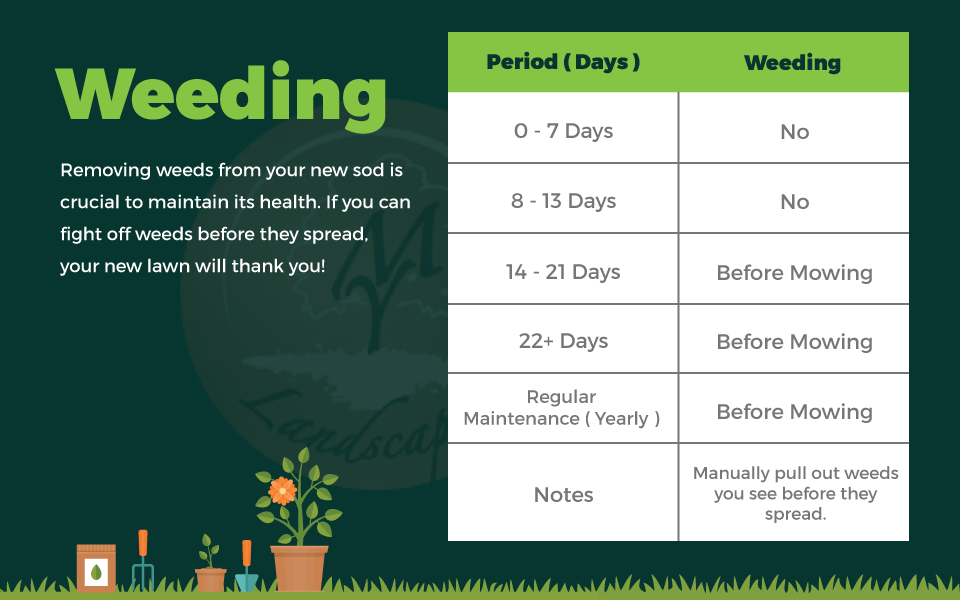
Weeds and pests can harm grass. Regular checks help spot them early. Use safe products to remove pests. Herbicides can kill weeds without harming grass. Always follow instructions on the product label. Maintaining a clean lawn helps prevent these problems.

Credit: divine-lawns.com
Frequently Asked Questions
How Soon Can I Mow New Sod Grass?
Wait 2 to 3 weeks before mowing new sod grass. Ensure the grass roots are well established and the sod feels firmly attached to the soil. Mowing too early can damage the young grass and hinder proper growth.
What Height Should I Mow New Sod Grass?
Mow new sod grass at a height of 3 to 4 inches. Keep the blades sharp to avoid tearing the grass. Cutting too short stresses the grass and slows root development, so maintain a higher cut initially.
How Often Should I Mow New Sod Grass?
Mow new sod grass weekly during the growing season. Frequent mowing encourages healthy growth and prevents the grass from becoming too tall. Avoid cutting more than one-third of the grass height at a time to prevent stress.
Can I Mow New Sod Grass When Wet?
Avoid mowing new sod grass when it is wet. Wet grass can clog the mower and cause uneven cuts. Wait until the grass is dry to protect the turf and achieve a clean, smooth mow.
Conclusion
Mowing new sod grass carefully helps it grow strong and healthy. Wait until the grass is tall enough before the first cut. Use a sharp mower blade and cut only a little at a time. Keep your lawn clean and water it well after mowing.
Regular care will make your new lawn look green and fresh. Small steps make a big difference. Enjoy your beautiful yard with healthy grass every day.