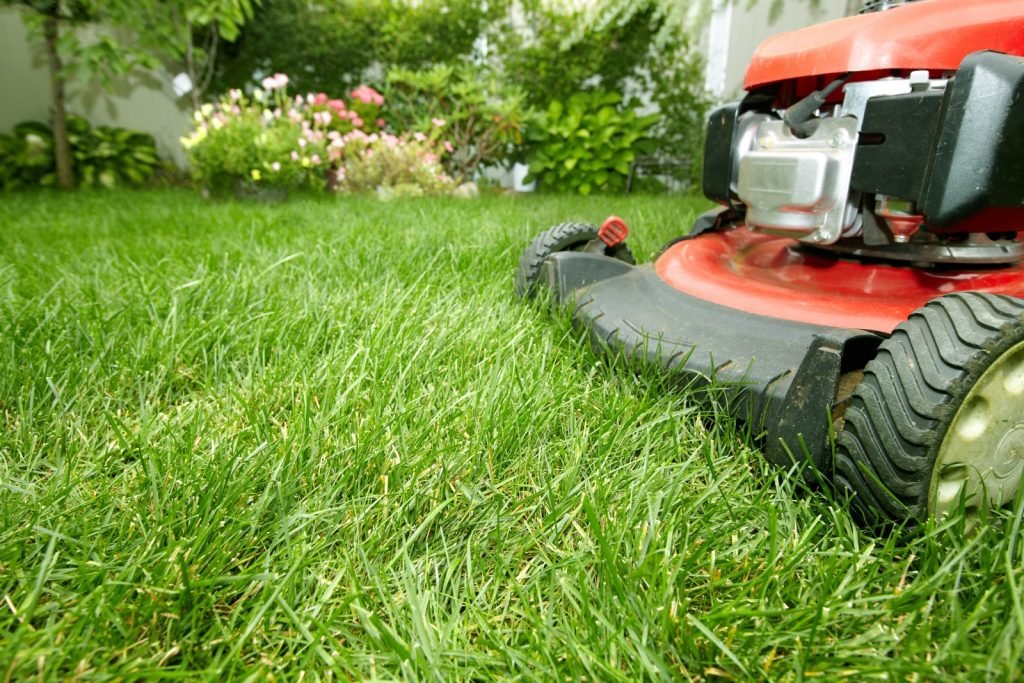
Are you ready to keep your native grass lawn looking its best without the usual hassle? Mowing native grass isn’t like cutting a regular lawn.
It needs a different approach to stay healthy and beautiful. You’ll discover simple tips and tricks that make mowing easier and help your grass thrive. Whether you’re new to native lawns or want to improve your care routine, this guide will give you the confidence to get the job done right.
Keep reading to learn how to transform your lawn into a natural, vibrant space you’ll love.

Credit: mygardenlife.com
Choosing The Right Native Grass
Choosing the right native grass depends on your local climateand soil type. Native grasses thrive best when matched to their natural environment. This helps them grow strong and need less water.
Some popular native grass varieties include:
- Buffalo grass:Good for dry and warm areas, low maintenance.
- Blue grama:Tolerates drought and poor soils well.
- Switchgrass:Grows tall and handles wet soils.
- Little bluestem:Prefers sunny spots and well-drained soils.
| Grass Variety | Climate | Soil Type | Water Needs |
|---|---|---|---|
| Buffalo Grass | Warm, dry | Sandy, well-drained | Low |
| Blue Grama | Dry, semi-arid | Poor, rocky | Low |
| Switchgrass | Temperate, wet | Clay, moist | Medium |
| Little Bluestem | Sunny, temperate | Well-drained, loamy | Low to medium |
Preparing Your Lawn For Mowing
Start by removing all debrislike sticks, leaves, and stones. This keeps the mower safe and prevents damage. Pull out any weedsthat grow among the native grass. Weeds compete for water and nutrients.
Check the mower heightbefore cutting. Native grass grows best when cut at the right height. Set the mower to cut higherthan usual, about 3 to 4 inches. This helps keep grass healthy and stops soil from drying out.
- Clear all trash and sticks from the lawn.
- Pull out weeds by hand or use a safe weed remover.
- Adjust mower blade to 3-4 inches height.
- Test mow a small area to check the mower height.
Mowing Techniques For Native Grass
Native grass needs special care. Mow every 2 to 4 weeks. This keeps the grass healthy. Cutting too often stresses the grass. Always check the grass height. Keep it around 3 inches tall. Taller grass helps keep the soil cool.
Use different mowing directions each time. This stops the grass from leaning. Mowing straight lines is easiest. Try diagonal lines next time. This makes the grass look good. Change patterns often for best results.
Mowing hills can be tricky. Go up and down hills, not side to side. This is safer and easier. Watch out for holes and rocks. Keep your mower blade sharp. A sharp blade cuts evenly. Dull blades can damage the grass. Always be careful on uneven ground.
Maintaining Mower Equipment
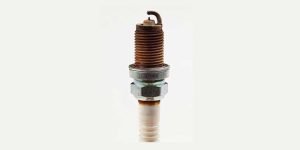
Keeping mower blades sharphelps cut grass cleanly and evenly. Dull blades can tear grass, causing brown tipsand disease. Use a metal fileor a sharpening tool to grind blades smoothly. Always wear glovesand disconnect the spark plug before sharpening for safety. Check blades for damagelike bends or cracks and replace if needed.
| Task | Frequency | Details |
|---|---|---|
| Blade Sharpening | Every 20-25 hours | Ensures clean grass cuts and lawn health |
| Oil Check | Every 5 hours | Maintain engine performance and life |
| Air Filter Cleaning | Every 25 hours | Prevents dust and dirt from entering engine |
| Blade Inspection | Before each use | Look for damage or dullness |
| Cleaning Deck | After each use | Remove grass clippings and debris |
Watering And Fertilizing Tips
Native grass lawns need less waterthan regular lawns. Water deeply but less often. This helps roots grow strong and deep. Early morning is the best timeto water. Avoid watering at night to stop fungus growth.
Choose natural fertilizers to keep your lawn healthy and safe. These help soil stay rich and alive. Compost, manure, and fish emulsion are good options. They release nutrients slowly, feeding grass over time.
| Natural Fertilizer | Benefits |
|---|---|
| Compost | Improves soil and adds nutrients |
| Manure | Rich in nitrogen and organic matter |
| Fish Emulsion | Quick nutrient boost, gentle on plants |

Credit: cornellbotanicgardens.org
Dealing With Common Challenges
Common issues like uneven growth and mower clogging can make mowing native grass tricky. Adjust mower height often and clear debris regularly to keep the lawn healthy. Patience helps manage slow growth and tough patches effectively.
Pest And Disease Control
Native grassesare usually strong, but pests and diseases can still affect them. Watch for bugs like aphids and armyworms. Use natural pest control methods. Avoid strong chemicals that can harm the grass. Check your lawn often to catch problems early. Healthy soil helps keep pests away. Water your lawn properly to avoid disease. Remove dead leaves and grass to stop fungus growth.
Managing Thatch And Overgrowth
Thatchis a layer of dead grass that builds up over time. Too much thatch stops water and nutrients from reaching roots. Rake your lawn every year to remove thatch. Overgrown grass can block sunlight and air. Mow your lawn regularly but not too short. Let grass grow about 3-4 inches tall. Cut only the top third of the grass blade. This keeps your lawn healthy and strong.
Encouraging A Lush Native Grass Lawn
Seasonal carehelps native grass stay green and healthy. Water deeply but less often to encourage strong roots. Mow at a higher setting to protect grass blades from sun damage. Remove weeds early to stop them from taking nutrients. Fertilize lightly in spring with a natural product. Avoid heavy fertilizers that harm native plants.
During hot months, check soil moisture often. Native grass can survive dry spells but needs some water. Cut grass only when it reaches about 4 inches tall. This keeps the lawn thick and stops weeds from growing. In cooler months, reduce mowing and watering as grass grows slower.
- Water deeply, less often
- Mow at higher settings
- Remove weeds early
- Light spring fertilizing
- Monitor soil moisture
- Reduce mowing in cooler months

Credit: www.reddit.com
Frequently Asked Questions
How Often Should I Mow A Native Grass Lawn?
Mow native grass lawns once every 4 to 6 weeks during the growing season. This frequency maintains health without stressing the grass. Adjust mowing based on growth rate and weather conditions to promote strong roots and natural appearance.
What Is The Ideal Mowing Height For Native Grass?
Keep native grass at 3 to 4 inches tall when mowing. This height protects roots and encourages drought tolerance. Avoid cutting more than one-third of the grass blade at a time for optimal lawn health.
Can I Use A Regular Mower On Native Grass?
Yes, but use a mower with sharp blades and adjustable height. Mulching mowers work well to recycle clippings as natural fertilizer. Avoid mowing too short or too frequently to prevent damage.
When Is The Best Time To Mow Native Grass?
Mow native grass in late spring to early fall, during active growth. Avoid mowing during drought or extreme heat to reduce stress. Morning or late afternoon mowing helps preserve moisture and lawn vitality.
Conclusion
Mowing native grass lawns helps keep them healthy and neat. Cut the grass less often than regular lawns. Use sharp blades and mow at the right height. Let the clippings stay to feed the soil. Watch for signs of stress or pests.
This simple care keeps your native lawn strong. Enjoy a natural, low-maintenance yard all year. Small efforts bring big rewards in lawn care. Native grasses thrive with gentle, patient mowing.