Are you tired of mowing your lawn and worrying about the harmful pollution it creates? What if you could keep your grass looking perfect without adding to the air pollution or noise?
Imagine a cleaner, quieter way to care for your yard that’s better for your family and the environment. You’ll discover simple, effective methods to mow your lawn without causing pollution. Keep reading to find out how you can make a real difference right outside your doorstep.
Credit: www.canr.msu.edu
Eco-friendly Lawn Mowing Tools
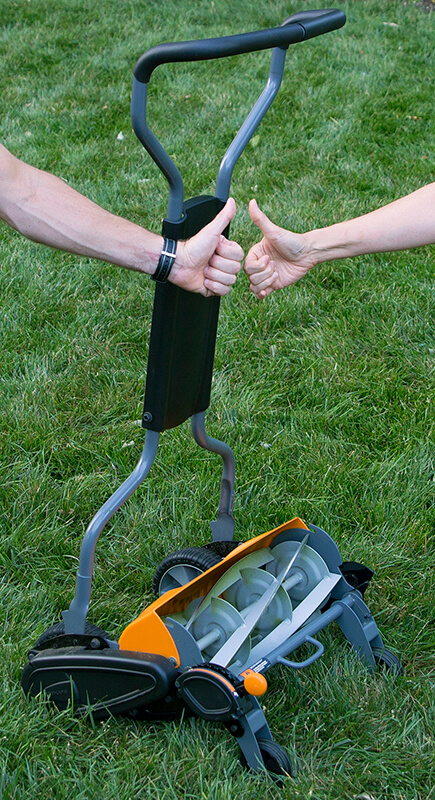
Manual reel mowersdo not use gas or electricity. They are quiet and easy to use. These mowers work well for small lawns. Pushing them cuts grass with sharp blades.
Electric lawn mowersproduce less pollution than gas mowers. They plug into an outlet or use a cord. They are lighter and quieter. Good for medium-sized lawns.
Battery-powered optionsgive more freedom to move. They run on rechargeable batteries. No cords to trip over or limit movement. Perfect for lawns of all sizes.
Benefits Of Clean Lawn Mowing
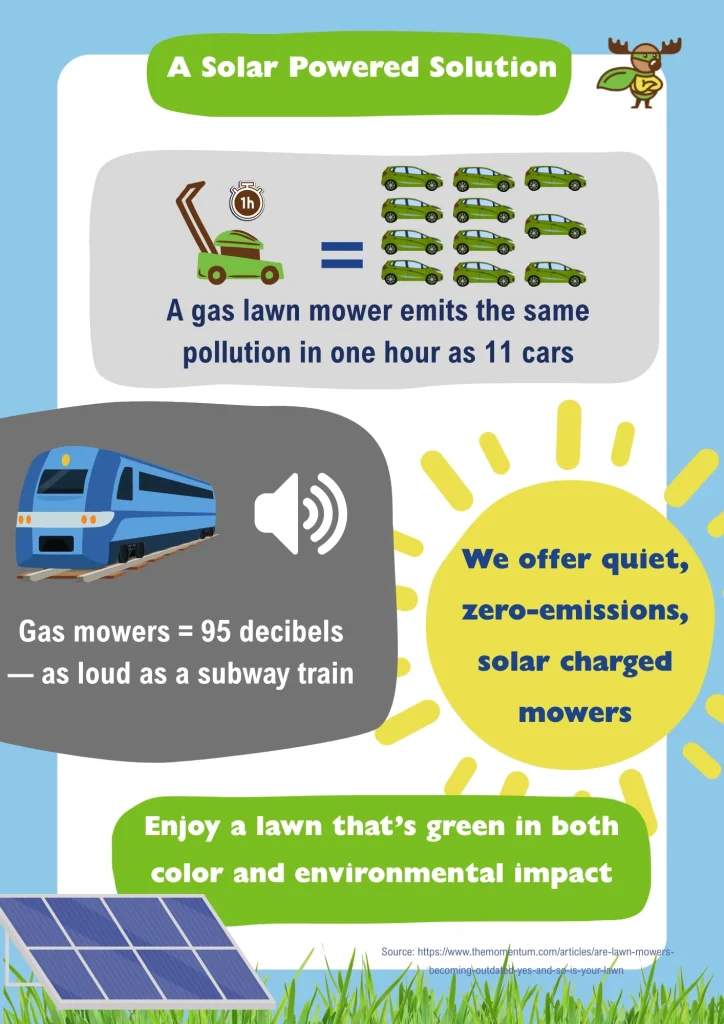
Reducing air pollutionhelps keep the sky clear and fresh. Using electric or manual mowers cuts harmful gases. Gas-powered mowers release carbon dioxide and other pollutants. Cleaner air means healthier lungs for everyone. Quiet mowers cause less disturbance to neighbors and wildlife.
Lowering noise levelscreates a peaceful environment. Electric mowers run softly, unlike loud gas machines. Less noise helps reduce stress for people and animals. Quiet mowing lets you enjoy your garden more. It also protects birds and small animals from noise harm.
Protecting soil healthkeeps your lawn strong and green. Using mulching mowers returns nutrients to the soil. It reduces the need for chemical fertilizers. Healthy soil holds water better and supports plant roots. Avoiding heavy machines prevents soil compaction, which can damage grass growth.
Best Mowing Practices
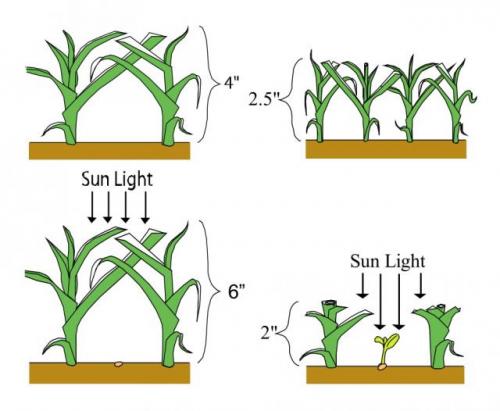
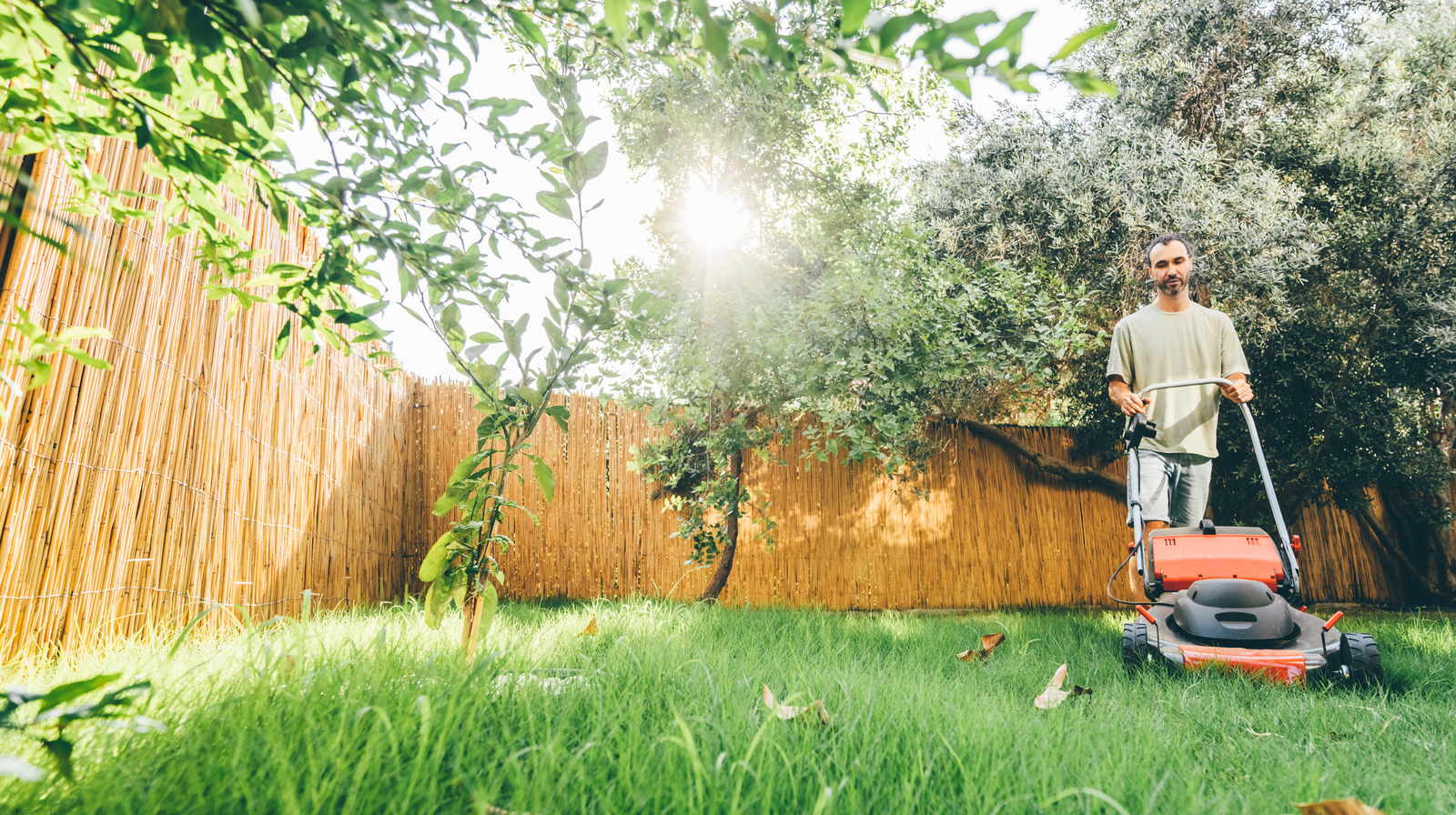
Keep the grass height between 2.5 to 3.5 inchesto protect roots and reduce water loss. Cutting too short stresses grass and allows weeds to grow. Taller grass shades the soil, keeping it cool and moist.
Mow frequently enough to remove no more than one-third of the grass blade at once. This practice helps grass recover quickly and stay healthy. Avoid mowing when the grass is wet to prevent clumping and uneven cuts.
- Leave clippings on the lawn to return nutrients to the soil.
- Use a mulching mower to finely chop clippings for faster decomposition.
- Collect clippings only if the grass is diseased or overly long.
Credit: www.housedigest.com
Alternative Lawn Care Methods
Ground covers are small plants. They spread quickly and cover soil. These plants reduce soil erosion and keep moisture in. They need less water than grass. Some ground covers are clover and creeping thyme. These covers create a green look without mowing.
Native grasses grow naturally in an area. They need less water and care. These grasses are adapted to local conditions. This means they handle the weather well. Native grasses don’t need mowing often. Examples are buffalo grass and fescue.
Wildflowers add color and life to lawns. They attract butterflies and bees. These flowers need less care than grass. Planting wildflowers reduces pollution from mowing. They keep the lawn vibrant and healthy. You can mix them with native grasses for beauty.
Maintenance Tips For Eco Mowers
Keep the mower clean to stop dirt buildup. Remove grass clippings and debris after each use. This helps the mower work well and last longer.
Sharpen blades often for a clean cut. Dull blades can harm grass and use more energy. Use a file or take blades to a pro.
Charge the battery fully before use. Store batteries in a dry, cool place to keep them healthy. Check battery contacts for dirt or rust.
Credit: choosenatives.org
Community And Environmental Impact
Communities can help by choosing electric or manual mowersinstead of gas ones. This reduces air pollutionand noise. Sharing lawn tools among neighbors also cuts down waste and costs.
Planting native flowers and trees supports local insects and birds. It creates a healthy environment and helps keep soil strong. Avoiding chemicals keeps these ecosystems safe.
- Use battery-powered mowersto lower carbon emissions.
- Cut grass less often to save energy.
- Choose grass types that need less water and care.
Frequently Asked Questions
How Can I Mow My Lawn Without Causing Pollution?
Use electric or battery-powered mowers instead of gas-powered ones. They produce zero emissions and reduce air pollution significantly. Regularly maintain your mower to ensure efficiency and minimize environmental impact.
What Are Eco-friendly Alternatives To Gas Lawn Mowers?
Electric, battery-powered, and manual reel mowers are eco-friendly options. These alternatives reduce noise, emissions, and fuel consumption. Choosing these helps protect the environment and promote cleaner air quality.
How Often Should I Mow To Minimize Pollution?
Mow your lawn regularly but avoid excessive mowing. Frequent mowing reduces grass clippings and fuel use. This practice limits pollution and keeps your lawn healthy without overusing resources.
Can Mulching Reduce Lawn Mowing Pollution?
Yes, mulching recycles grass clippings back into the lawn. It reduces waste and the need for chemical fertilizers. Mulching also lowers the frequency of mowing, decreasing pollution from lawn equipment.
Conclusion
Mowing your lawn without pollution helps the earth stay clean. Using electric or manual mowers cuts harmful fumes. Grass clippings left on the lawn feed the soil naturally. Small changes protect air quality and reduce noise. These steps save energy and keep your yard healthy.
Everyone can make a difference with simple mowing habits. A cleaner lawn means a healthier home and planet. Try these tips for a greener, fresher outdoor space.