You want a lush, green lawn that stands out in your neighborhood. But did you know that mowing your lawn the wrong way can harm the soil beneath it?
Damaged soil means weaker grass, more weeds, and extra work for you. What if you could keep your soil healthy while keeping your lawn looking perfect? You’ll discover simple, easy steps to mow your lawn without hurting the soil. Follow these tips, and your grass will thank you with vibrant, lasting growth.
Ready to learn how? Keep reading!
Choosing The Right Mower
Choosing the right mower helps protect your soil and grass health. Different mowers suit different lawn types and care needs.
| Type of Mower | Benefits | Soil Impact |
|---|---|---|
| Reel Mowers |
| Minimal soil disturbance |
| Electric Mowers |
| Less soil compaction than gas |
| Gas Mowers |
| Can compact soil more |

Credit: www.angi.com
Optimal Mowing Techniques
Set the mower blade height to keep grass about 2.5 to 3 inches tall. Cutting grass too short stresses plants and exposes soil. Taller grass blades protect soil from sun and rain. Adjust the height based on grass type and season.
Heavy foot traffic or mowing on wet soil causes compaction. Compacted soil blocks air and water needed for roots. Walk carefully and avoid mowing when the ground is wet. Use lightweight equipment to reduce pressure on soil.
- Mow frequently to cut no more than one-third of the grass height.
- Regular mowing helps grass grow strong and dense.
- Skipping mowing causes uneven growth and weak roots.
Soil Care During Mowing
Check the soil moisture before mowing. Avoid mowing if the soil feels wet or soggy. Wet soil can get compacted and damaged by the mower. Dry soil is easier to mow and keeps the grass healthy.
Prevent ruts and damage by mowing on dry ground only. Use a lawn mower with wide tires to spread the weight. This helps protect the soil structure and stops deep marks or holes.
Use mulching blades to cut grass into small pieces. These pieces fall back into the lawn and act as natural fertilizer. Mulching blades reduce waste and help keep the soil rich and healthy.

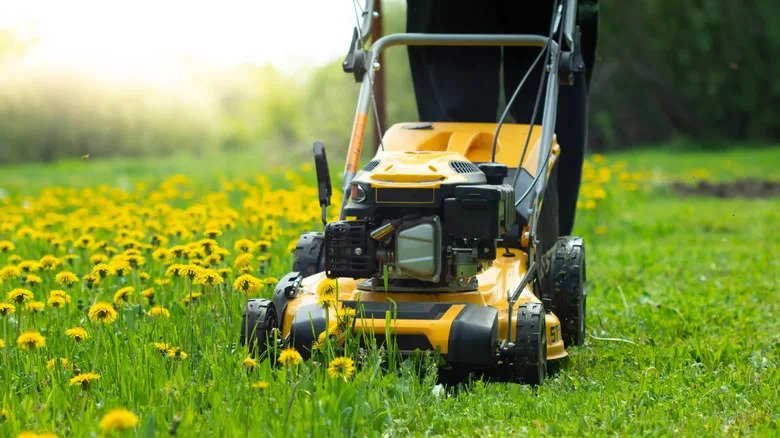
Credit: www.aol.com
Seasonal Mowing Tips
Mow your lawn when grass is dry. Wet grass can damage soil. Keep mower blades sharp for clean cuts. Cut grass at a higher length. This helps in strong root growth. Avoid mowing the same pattern each time. Change directions to prevent soil compaction.
Mow in the cool of the morning. Grass is less stressed early. Leave grass clippings on the lawn. They act as a natural fertilizer. Water the lawn deeply but less often. This encourages deep root growth. Raise mower height during hot days to protect soil moisture.
Keep mowing until grass stops growing. Short grass can survive winter better. Rake leaves to prevent lawn smothering. Aerate soil if it’s compacted. This helps roots breathe. Fertilize before the first frost for strong spring growth.
Additional Lawn Maintenance
Aerating the soillets air, water, and nutrients reach grass roots. Use a spike or plug aerator to make small holes in the lawn. This helps soil stay loose and healthy. Aerate during growing seasons for best results.
Fertilizing and wateringare key to a green lawn. Use a balanced fertilizer to feed your grass. Water deeply but less often to encourage strong roots. Early morning is the best time to water to reduce evaporation.
- Keep weeds away by pulling them out early.
- Use safe pest control to protect your lawn.
- Choose natural or low-toxicity products.
- Spot treat areas with pests instead of wide spraying.
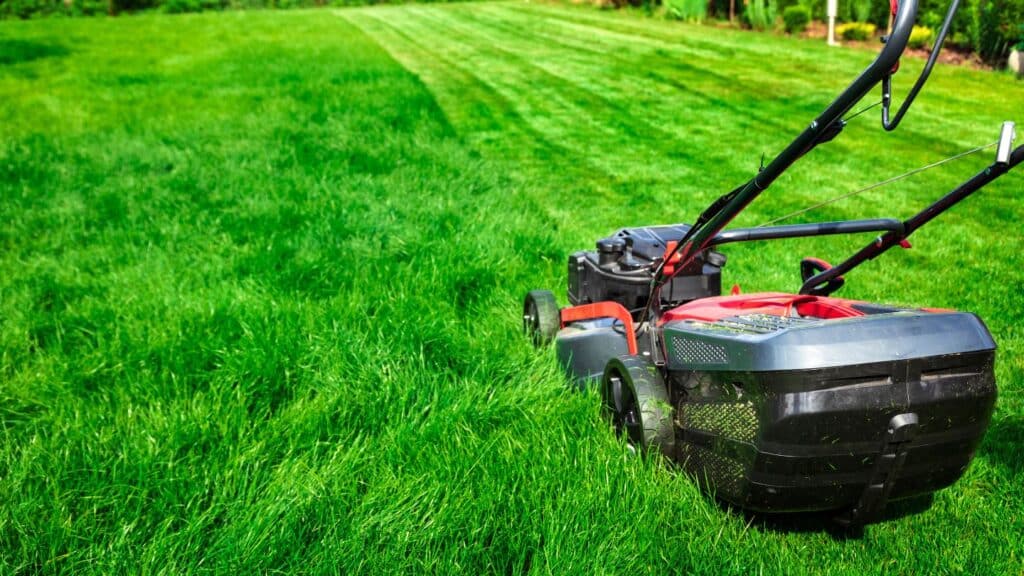
Credit: mulchpros.com
Frequently Asked Questions
How Often Should I Mow To Protect Soil Health?
Mow regularly but avoid cutting more than one-third of grass height. This prevents soil stress and promotes strong root growth. Frequent mowing keeps grass healthy and reduces soil compaction.
What Mowing Height Is Best For Soil Preservation?
Set mower blades to 3-4 inches high. Taller grass shades soil, retains moisture, and limits weed growth. Proper height encourages deep roots, improving soil structure.
Can I Mow Wet Grass Without Harming Soil?
Avoid mowing wet grass as it compacts soil and causes uneven cuts. Wait until grass dries to protect soil integrity and mower performance.
How Does Mowing Frequency Impact Soil Quality?
Frequent mowing encourages dense grass and strong roots, reducing soil erosion. However, mowing too short or too often can stress grass and degrade soil quality.
Conclusion
Mowing your lawn carefully helps keep soil healthy and strong. Use sharp blades to make clean cuts. Avoid cutting grass too short to protect roots. Let grass clippings stay on the lawn for natural fertilizer. Water your lawn properly after mowing to keep soil moist.
These simple steps help grass grow thick and green. A healthy lawn means healthy soil beneath. Take time, be gentle, and your yard will thrive. Small efforts lead to big results. Enjoy a beautiful lawn without harming the earth below.