Do you want your lawn to look like a pro’s work, even when the grass is dry? Creating those sharp, eye-catching stripes can make your yard stand out and boost your curb appeal instantly.
But mowing stripes on dry grass isn’t always easy—you need the right tricks to avoid damage and get that perfect pattern. You’ll discover simple, practical steps that will help you mow stunning lawn stripes, no matter how dry your grass is.
Keep reading, and turn your ordinary lawn into a masterpiece everyone will admire!
Credit: www.lawnstarter.com
Choosing The Right Mower
Choosing the right lawn moweris key for clear stripes on dry grass. Different mowers create different effects.
- Reel mowerscut grass cleanly and are good for fine stripes.
- Rotary mowersare common but may not show stripes as well.
- Striping kitscan be added to some mowers to improve stripe visibility.
Blade selection also matters. Sharp blades give a clean cut and help grass lie flat. This makes stripes more visible. Dull blades can tear grass and hide stripes.
Adjusting the mower height is important. Set the mower to cut grass at the right height—usually higher for dry grass. This keeps grass healthy and shows stripes better. Too low can stress dry grass and ruin stripes.
Preparing Dry Grass For Mowing
Clear all sticks, leaves, and stones from the lawn. This helps the mower cut smoothly and avoid damage. Removing debris also prevents stripes from looking uneven.
Check the grass for dryness and health. Dry grass bends easily and may not show stripes well. Look for green patches and signs of stress before mowing.
Choose the right time to mow. Early morning or late afternoon works best to avoid heat stress. Mowing during cooler hours keeps grass healthy and helps stripes stay sharp.
Techniques For Creating Stripes
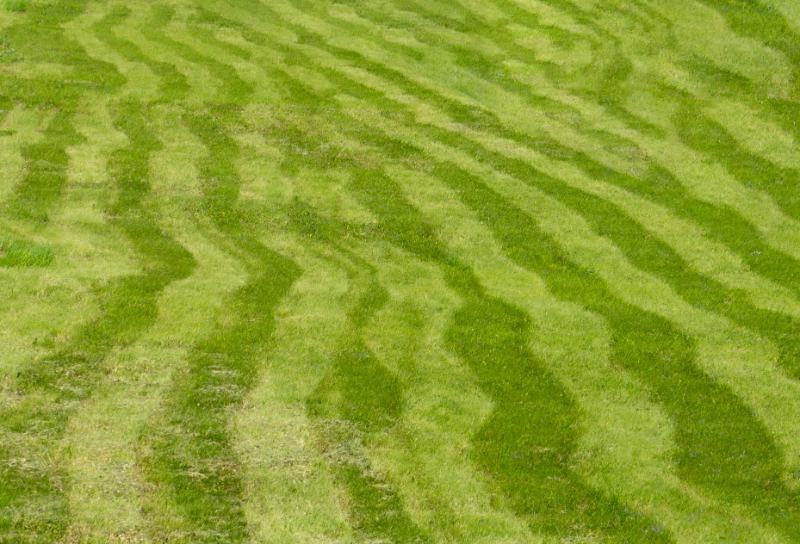
Creating lawn stripes on dry grass needs a good plan. Start by establishing a clear pattern. Decide on straight or diagonal lines. Consistency helps the stripes stand out better.
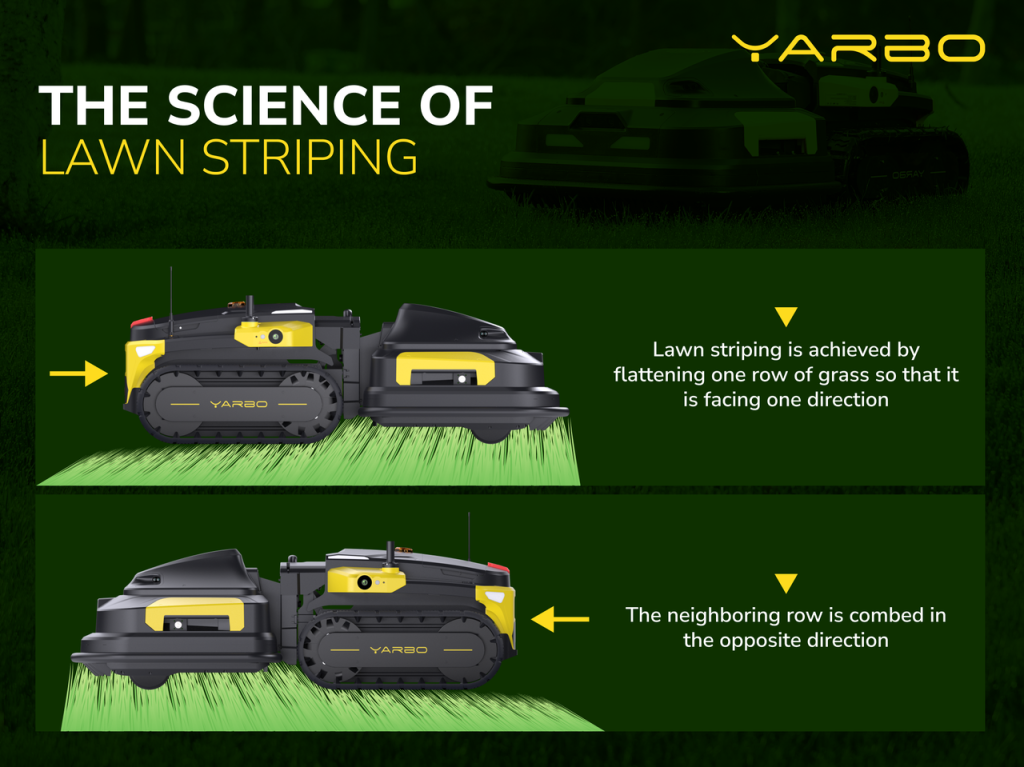
Using a roller attachmenton your mower bends the grass blades in different directions. This bending creates the stripe effect. Rollers press the grass down, showing light and dark stripes.
Follow these mowing direction tipsfor best results:
- Mow in straight lines, then turn sharply at the end.
- Alternate the direction of each pass to create contrast.
- Keep the mower speed steady for even stripes.
- Avoid mowing dry grass too short to prevent damage.
Credit: landzie.com
Maintaining Stripes In Dry Conditions
Mowing lawn stripes on dry grass needs gentle care to avoid damage. Use a sharp mower blade and cut less often for better results. Rolling the grass after mowing helps create clear, visible stripes without stressing the lawn.
Watering Strategies
Grass needs water to stay green. Use a gentle spray to water. Water early in the morning. This helps the grass soak up water. Do not water at night. Wet grass at night can get sick. Aim for deep watering once a week. This helps roots grow strong and deep. Strong roots help keep stripes looking nice.
Avoiding Overstress
Cut grass a little longer in dry weather. Longer grass holds water better. Don’t mow when grass is dry. Wait for a cooler day. Keep your mower blades sharp. Sharp blades cut cleanly. This helps grass heal faster.
Regular Lawn Care
- Remove weeds often. Weeds steal water from grass.
- Fertilize your lawn in early spring. This gives grass a good start.
- Check your lawn for bugs. Bugs can hurt grass.
Common Mistakes To Avoid
Mowing too shortcan stress dry grass and cause damage. Grass needs some height to stay healthy and show clear stripes. Cutting too low makes the lawn look patchy and weak.
Blade sharpnessaffects how cleanly grass is cut. Dull blades tear grass instead of cutting it, leading to uneven stripes and brown edges. Always check and sharpen blades before mowing.
- Overlapping passescreate uneven stripes and damage grass. Try to keep straight lines without going over the same spot twice.
- Make sure to mow in opposite directions for better stripe contrast.
- Use a lawn roller or striping kit for sharper lines on dry grass.

Credit: customlawn.com
Frequently Asked Questions
How Do I Create Lawn Stripes On Dry Grass?
To create lawn stripes on dry grass, mow in alternating directions. Use a sharp mower blade and mow when grass is dry. Rolling the lawn after mowing helps bend the grass blades, enhancing stripe visibility.
What Mower Settings Work Best For Striped Dry Lawns?
Set your mower blade height slightly higher on dry grass. Use a slower mowing speed for clean cuts. Ensure the mower’s roller is engaged to bend grass blades and create visible stripes.
Can Dry Grass Damage Lawn Striping Patterns?
Yes, dry grass can be brittle, causing uneven stripes. Avoid mowing during extreme dryness to prevent damage. Watering the lawn lightly before mowing can help maintain healthy striping patterns.
Why Is Grass Direction Important For Lawn Stripes?
Grass blades bend in the mowing direction, reflecting light differently. This contrast creates the striped effect. Mowing in straight, alternating lines improves stripe clarity and overall lawn appearance.
Conclusion
Creating lawn stripes in dry grass takes patience and the right tools. Mow slowly and change directions with each pass. Use a roller or striping kit to press grass blades down gently. Water your lawn occasionally to keep it healthy.
With practice, your dry lawn can still look neat and striped. Enjoy the simple beauty of a well-mowed yard. Keep trying, and your stripes will improve over time.





