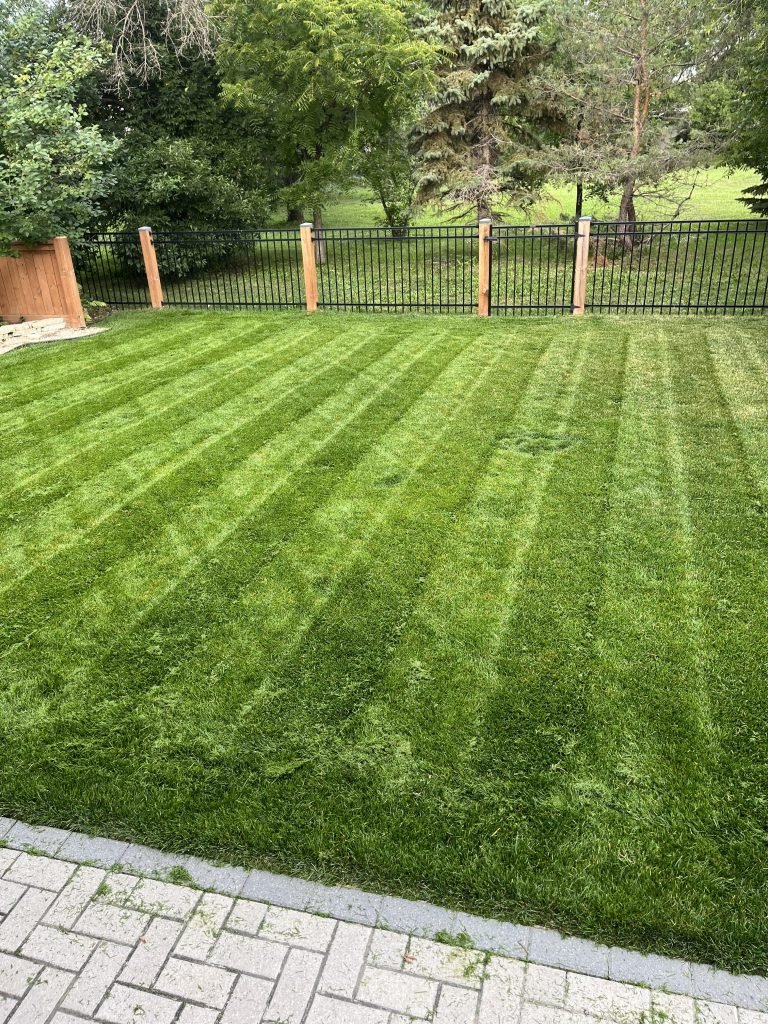
You’ve just overseeded your lawn, and now you want it to look flawless with those perfect, eye-catching stripes. But how do you mow without damaging the new grass?
Getting those crisp lawn stripes after overseeding can seem tricky, but with the right steps, you can achieve a stunning, professional look that makes your yard the envy of the neighborhood. Keep reading to discover simple tips that will help you mow confidently and keep your fresh grass healthy and striped to perfection.
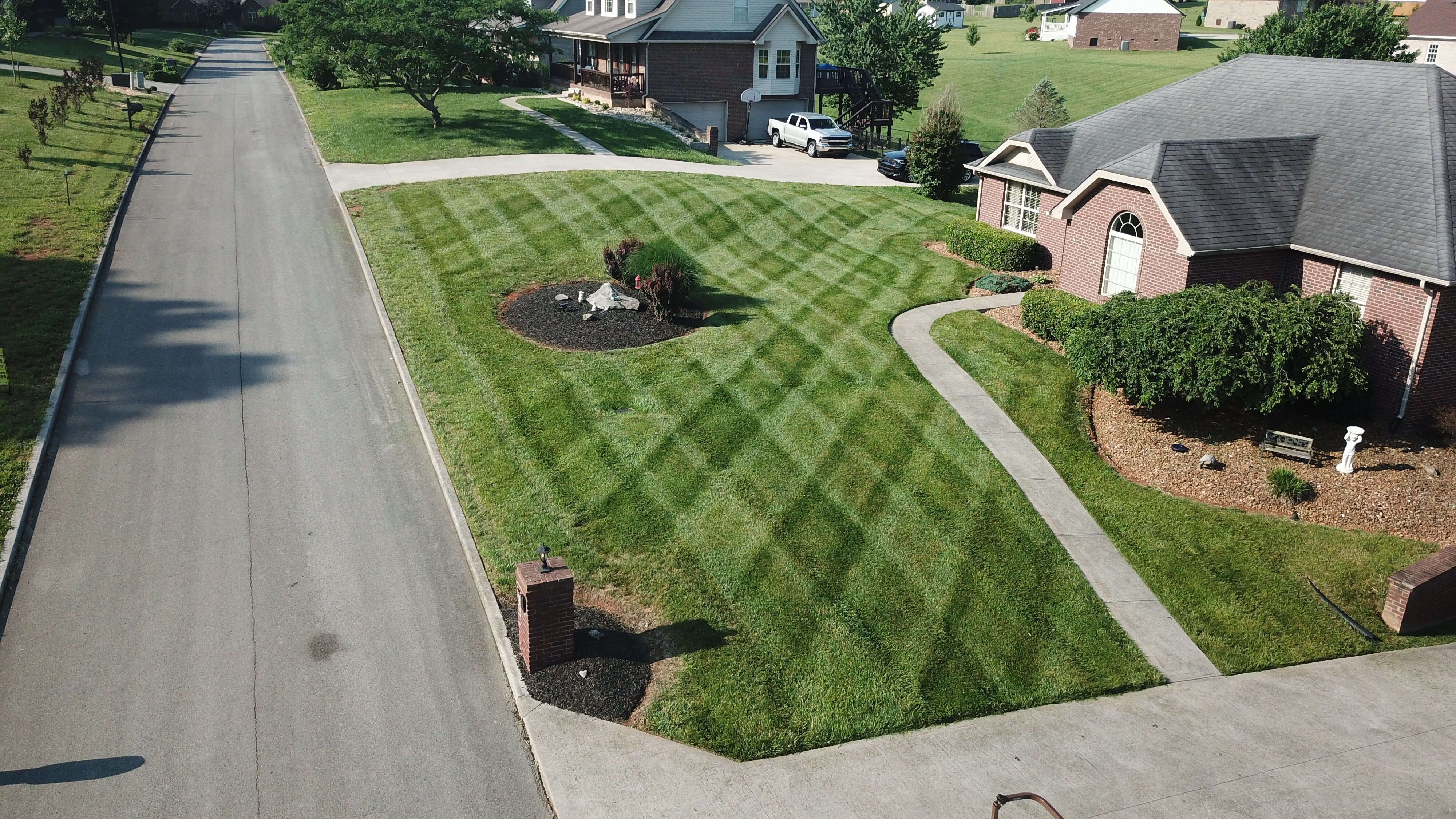
Credit: blog.grasshoppermower.com
Preparing Lawn After Overseeding
Allow new grass seeds to germinate fullybefore mowing. This usually takes about 21 to 30 days, depending on grass type and weather. Mowing too soon can damage young shootsand slow growth.
Check seed germination by gently pulling a blade of grass. If it resists, roots are strong enough. If it comes out easily, wait a few more days.
Maintain proper soil moistureduring this period. Soil should be moist but not soggy. Water lightly and often to keep seeds wet. Avoid overwatering, which can cause seed rot or fungus.
Choosing The Right Mower
Choosing the right mower helps create clear, sharp lawn stripes. Different mower types affect stripe quality and lawn health.
- Reel mowersgive clean, precise cuts and sharp stripes.
- Rotary mowersare common but may crush grass, making stripes less clear.
- Striping kitscan be added to some mowers for better stripe effect.
Keeping blades sharp is essential. Dull blades tear grass, causing a ragged look. Sharp blades cut cleanly, promoting healthy grass growth.
Adjust mower height carefully. After overseeding, set the height higher to avoid damaging new grass. Lower the height gradually as grass grows stronger.
Techniques For Striped Patterns
Mowing stripes appear by changing the direction of the mower. Mow in straight lines, then reverse direction for the next line.
Use consistent speed and steady hands to keep lines clean. Sharp turns help create sharp stripes.
Contrast stripes look darker or lighter depending on grass blades’ bend. Mow one line forward to bend grass away from you, and the next line backward to bend grass towards you.
| Roller Attachment | Effect on Lawn |
|---|---|
| Use a roller after mowing | Bends grass blades more for stronger stripe effect |
| Roll in straight lines matching mowing direction | Enhances stripe contrast and sharpness |
| Roll gently to avoid grass damage | Keeps lawn healthy after overseeding |
Maintaining Lawn Health Post-mowing
Creating clear lawn stripes after overseeding helps your grass grow evenly and look neat. Mow gently at a higher setting to protect new seedlings and avoid stress. Use alternating mowing directions for distinct, healthy stripes without damaging the young grass.
Watering After Mowing
Watering is crucial after mowing your lawn. It helps the grass stay strong. Use a sprinkler to water evenly. Water in the morning for best results. Avoid watering in the evening. This keeps the grass dry overnight.
Fertilizing Strategies
Fertilizing gives your lawn essential nutrients. Choose a balanced fertilizer. Spread it evenly across the lawn. Use a spreader for even coverage. Don’t over-fertilize; it can harm the grass. Follow instructions on the fertilizer package.
Avoiding Lawn Stress
Avoid mowing the lawn too short. Taller grass shades the soil. It helps keep moisture in. Mow in different directions each time. This prevents soil compaction. Keep mower blades sharp for clean cuts.
Common Mistakes To Avoid
Mowing too earlycan harm new grass seeds. Wait until the grass grows tall enough to cut. Cutting too soon stops roots from growing strong.
Cutting grass too shortstresses the lawn. Keep mower blades higher to protect new shoots. Short grass dries out and looks weak.
Ignoring blade maintenancecauses ragged cuts. Dull blades tear grass, making it sick. Sharpen mower blades often for clean stripes and healthy grass.

Credit: www.reddit.com

Credit: www.youtube.com
Frequently Asked Questions
How Soon Can I Mow After Overseeding?
Wait at least 21 days before mowing to protect new grass. Ensure seedlings are 3 inches tall and strong enough to cut. Mowing too early can damage young grass and reduce overseeding success.
How To Create Clear Lawn Stripes After Overseeding?
Use a sharp mower blade and mow when grass is dry. Alternate mowing directions for distinct stripes. Avoid heavy traffic on new grass to maintain healthy, striped appearance.
Should I Change Mowing Height After Overseeding?
Yes, set mower to higher height initially (3-4 inches). This protects new grass and promotes root growth. Gradually lower height after grass strengthens to maintain lawn stripes.
Can I Use A Lawn Roller For Stripes Post-overseeding?
Yes, gently roll lawn after mowing to enhance stripe effect. Avoid heavy rolling which can compact soil and harm new grass roots. Use light pressure for best results.
Conclusion
Mowing lawn stripes after overseeding takes care and patience. Wait until grass grows tall enough before the first cut. Use sharp mower blades for clean, even stripes. Mow in alternating directions to create the striped effect. Keep mower height higher to avoid stressing new grass.
Regular mowing helps grass grow strong and healthy. Take your time and enjoy the process. A striped lawn adds beauty and shows your care. With these simple steps, your lawn will look great all season.





