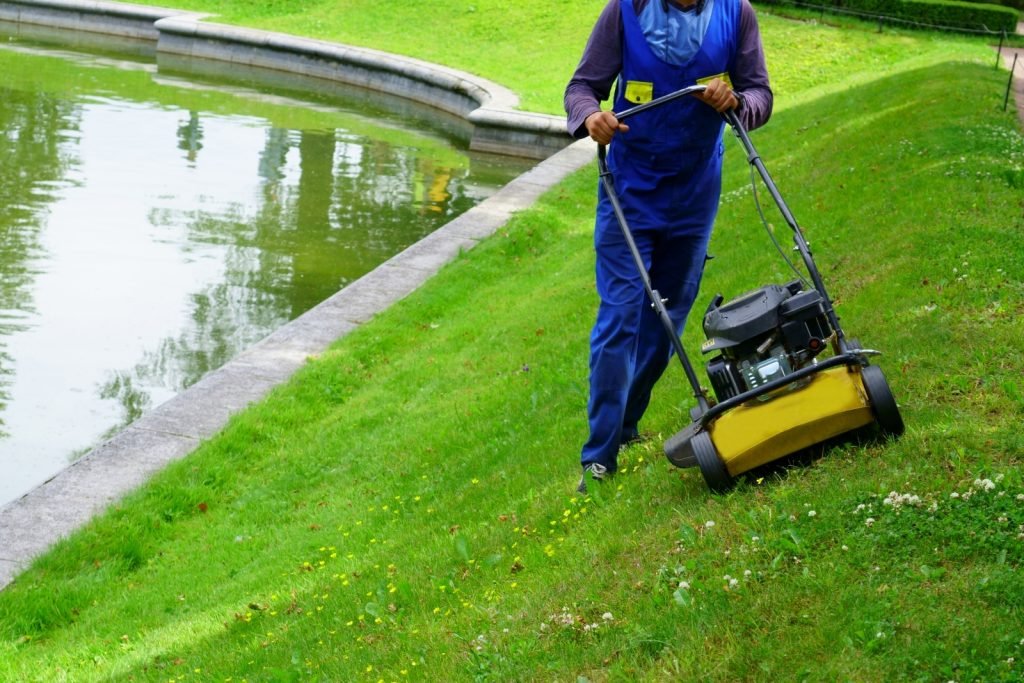
Mowing a lawn on uneven ground can feel like a tough challenge. You might worry about safety, damaging your mower, or ending up with a patchy yard.
But with the right approach, you can tackle those bumps and slopes smoothly and safely. You’ll discover simple tips and tricks to help you mow your uneven lawn without stress or risk. Keep reading to learn how to protect yourself, your equipment, and achieve that clean, even cut you want every time.
Assessing Uneven Lawn Terrain
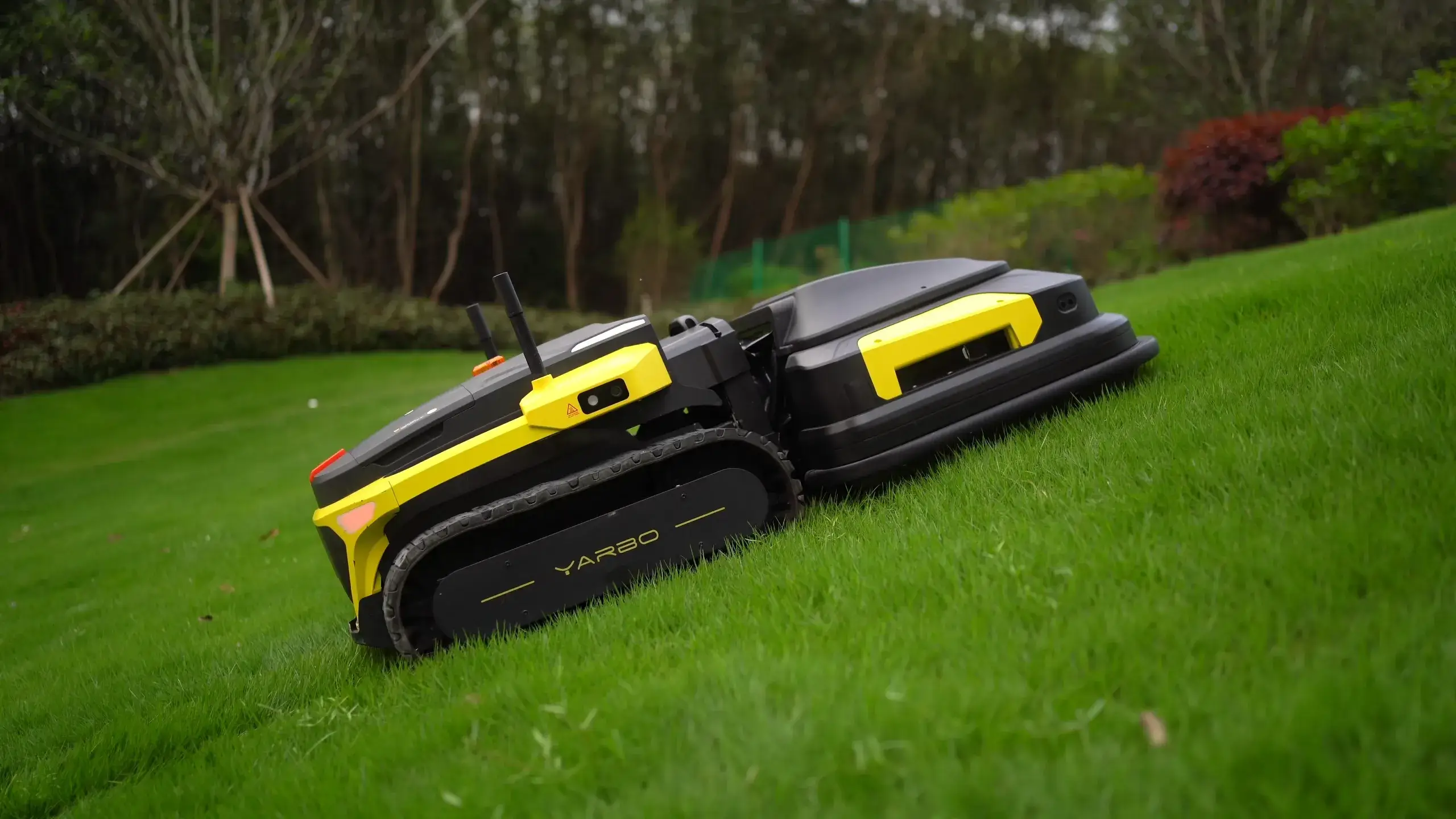
Uneven lawns need careful checking before mowing. Slopes and bumpscan make mowing unsafe. Walk over the lawn slowly to feel the rise and fall of the ground. This helps find spots where the mower could tip or get stuck.
Soil must be checked too. Soft or wet soil may cause the mower to slip or sink. Hard, dry soil can make mowing smoother but may hide rocks or roots under the grass.
Hidden obstacles can cause accidents or damage. Look for stones, sticks, toys, or holes that may be covered by grass. Mark these spots to avoid them. Clear any debris to keep mowing safe and easy.
Credit: www.yarbo.com
Choosing The Right Mower
Choosing the right mower helps keep you safe on uneven ground. Walk-behind mowersgive more control and are lighter. They work well on small or hilly yards. Riding mowerscover large areas fast but can be hard to control on slopes. They are best for flat or gently rolling lawns.
Look for features that handle bumpy surfaces:
- Adjustable cutting heightto avoid scalping the grass
- Wide tiresfor better grip and stability
- Strong suspensionto absorb shocks
Safety matters most. Choose mowers with:
- Automatic shut-offif the mower tips
- Good tractionto prevent slipping
- Clear visibilityto spot obstacles
Preparing The Lawn
Before mowing, clear all debris and obstaclesfrom the lawn. Small stones, sticks, and toys can cause accidents or damage the mower. Removing them keeps the mowing process safe and smooth.
Mark areas that could be dangerous, such as holes or steep slopes. Use flags or bright markers to make these spots visible. This helps avoid accidents and keeps the mower steady.
Trim any overgrown grasswith a hand trimmer or string trimmer first. Cutting very tall grass directly can clog the mower and make it harder to control. Shorter grass is easier to mow and keeps the lawn neat.
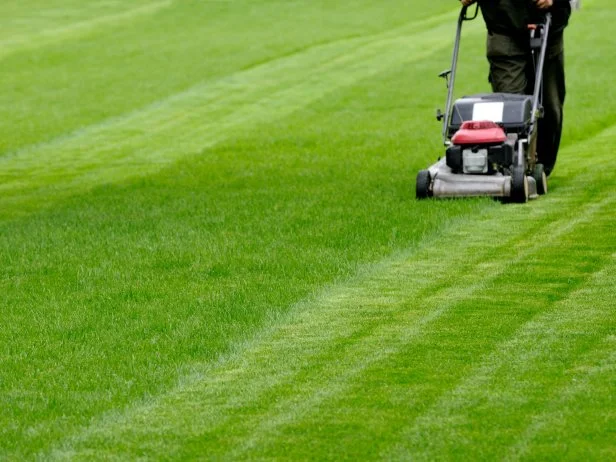
Credit: www.hgtv.com
Mowing Techniques For Safety
Set the mower height to match the ground level. This helps avoid scalping. Scalping can damage the grass and the mower. Use a higher setting on bumpy areas. It keeps the blades safe. Always check the height before starting.
Always mow side to side on a slope. Never mow up and down. This keeps the mower stable. It reduces the risk of tipping over. Walk slowly and keep a firm grip. Watch for holes and rocks. These can make you trip.
Move at a steady pace when mowing. Don’t rush or go too fast. A slow pace helps control the mower. It also makes the cut even. Take breaks if you feel tired. Safety comes first when mowing.
Personal Safety Measures
Wearing protective gearis essential for safety. Use sturdy shoes with good grip to avoid slipping. Gloves protect hands from cuts and dirt. Eye protection shields from flying debris. Long pants and sleeves guard against scratches and sunburn.
Using safety equipmenthelps prevent accidents. Check the mower before use to ensure it works well. Use a mower with a low center of gravity for better balance. Keep the mower blades sharp for smooth cutting. Always switch off the mower before cleaning or adjusting it.
Avoiding fatiguekeeps you alert. Take breaks often to rest and drink water. Mow in cooler parts of the day to prevent heat tiredness. Work at a slow, steady pace to maintain control. Stop if you feel tired or dizzy.
Post-mowing Lawn Care
Check the lawn carefully for any damageafter mowing. Look for uneven patches, torn grass, or exposed soil. Fixing these early helps grass grow back strong.
Fill low spots with a mix of soil and compost. This prevents water from collecting and stops weeds from growing. Leveling the ground helps with future mowing.
- Water the lawn regularly but avoid overwatering
- Remove weeds to keep grass healthy
- Use a rake to break up soil clumps
- Apply lawn fertilizer as needed
- Check mower blades for sharpness to cut evenly

Credit: enthrallinggumption.com
Frequently Asked Questions
How Do I Prepare Uneven Ground For Mowing?
Clear debris and mark uneven areas before mowing. Use stakes or flags to identify bumps and holes. This preparation helps avoid accidents and ensures a safer, more effective mowing experience.
What Type Of Mower Suits Uneven Lawn Surfaces?
A self-propelled mower with adjustable height is ideal. It allows easy navigation over bumps and uneven patches. Choose mowers with wide wheels for better stability on rough terrain.
How Can I Safely Mow Steep Or Hilly Areas?
Mow across slopes, not up and down, to prevent slipping. Use a lightweight mower for better control. Always wear sturdy footwear and avoid mowing wet grass for added safety.
Should I Adjust Mower Height On Uneven Lawns?
Yes, raise the mower deck to avoid scalp damage. Higher settings protect grass crowns and prevent mower blades from hitting rocks. Adjust height based on grass length and terrain roughness.
Conclusion
Mowing uneven ground needs care and focus. Always watch your steps and keep your balance. Use a mower suited for rough areas. Take your time and go slow. Clear the lawn of stones and sticks first. Stay safe and avoid steep slopes.
Regular mowing helps keep grass healthy and even. A well-maintained lawn looks neat and feels good. Small efforts make a big difference in your yard. Keep these tips in mind for safer mowing. Your lawn will thank you for the care.