Mowing a lawn on a hill can feel tricky and even dangerous if you don’t know the right way to do it. You want your grass to look neat without risking a slip or injury.
What if there was a simple, safe method you could follow every time? You’ll discover easy tips that make mowing hills less stressful and much safer. Keep reading to learn how to protect yourself and get the job done perfectly on any slope.
Assessing Hill Conditions
Slope angleaffects mower safety. Steep hills over 15 degrees are risky. Gentle slopes allow easier mowing. Uneven terrain can cause mower to tip. Check for rocks, holes, or loose soil before mowing.
Soil type changes mower grip. Clay soils can be slippery when wet. Sandy soils drain well but may be loose. Grass type also matters. Thick, tall grass needs slower mowing. Short grass is easier to cut on slopes.
Weather impacts hill mowing safety. Wet grass is slippery and dangerous. Mow only when grass and soil are dry. Wind can push mower off balance. Choose calm, clear days for mowing hills.

Credit: www.lawnsite.com
Choosing The Right Equipment
Choosing the right lawn moweris key for safety on hills. Self-propelled mowershelp control speed on slopes. Riding mowerswith low center of gravityreduce tipping risk. Avoid mowers that are hard to steer uphill or downhill.
| Lawn Mower Type | Best For | Notes |
|---|---|---|
| Self-propelled | Moderate slopes | Easier to control speed |
| Riding mower | Large hills | Choose low center of gravity |
| Push mower | Gentle slopes | Requires more effort |
Look for brake controlsthat stop the mower quickly. Wide wheelsprovide better grip on slopes. Some mowers have hill assistto help maintain balance.
- Grass trimmerswork well on very steep areas.
- Handheld brush cuttershandle rough, uneven spots safely.
- Robotic mowerscan mow small hilly lawns with less risk.
Pre-mowing Preparations
Remove sticks, stones, and other debris from the lawn. This helps prevent accidents. Obstructions can damage your mower. They can also cause you to slip. Inspect the mowing area carefully. Take your time to ensure safety.
Wear strong shoes and gloves for protection. Safety glasses shield your eyes from debris. Use ear protection if your mower is loud. A hat can protect you from the sun. Dress in bright colors to be seen easily.
Decide the best path before starting. Going up and down is safer than across. Avoid steep slopes if possible. Change directions carefully. Plan breaks to rest and stay focused. This helps keep you safe while mowing.
Credit: www.lawnsite.com
Safe Mowing Techniques
Mowing across the slopeis safer than mowing up and down hills. This method reduces the risk of slipping and falling. Keep the mower blade height higher to avoid scalping the grass. Always start mowing at the top of the slope and move sideways. This helps maintain control and balance.
Controlling speed and movementis key to safe lawn mowing on hills. Move slowly and steadily to avoid tipping the mower. Avoid sudden turns or stops that can cause loss of balance. Use the mower’s throttle to keep a consistent speed. Stay focused and watch your footing at all times.
Dealing with wet or slippery grassrequires extra caution. Wet grass is slippery and can cause accidents. Wait until the grass is dry if possible. Use shoes with good grip to prevent slipping. Lower the mower’s speed and take shorter steps. Avoid mowing on steep slopes during or after rain.
Post-mowing Care
After mowing, check the mowerfor any damage. Look at the blades for dullness or cracks. Inspect the wheels to ensure they turn smoothly. Clean grass clippings from the mower deck to avoid clogging. Tighten any loose bolts or screws. This helps keep the mower safe and working well.
Caring for your lawn on hills needs regular attention. Water the grass deeply but less often to promote strong roots. Avoid heavy foot traffic to prevent soil compaction. Use mulch around plants to keep moisture in the soil. Trim grass regularly to keep it healthy and neat.
| Preventing Soil Erosion | How to Do It |
|---|---|
| Plant Ground Cover | Use grass or low plants to hold soil in place. |
| Use Terracing | Create small steps on the hill to slow water flow. |
| Mulch the Soil | Spread mulch to protect soil from rain impact. |
| Build Retaining Walls | Support soil with walls made of stone or wood. |
When To Seek Professional Help
Hazardous conditionsinclude very steep slopes and wet grass. Slopes over 15 degrees often become too risky. Loose soil or rocks increase danger. If the ground is slippery, control is hard.
Signs to watch for:
- Uneven terrain that may cause falls
- Wet or muddy areas that reduce grip
- Steep hills that make pushing a mower unsafe
- Obstacles like rocks or tree roots
Experts have the right tools and skills for steep lawns. They use special mowers designed for slopes. Hiring professionals lowers the chance of injury. They work faster and safer on difficult land.

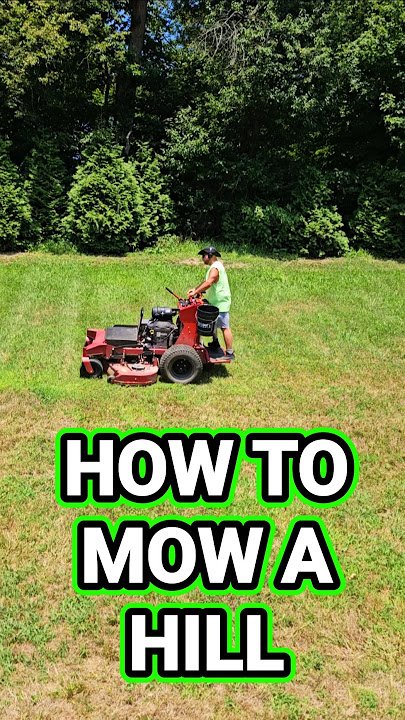
Credit: www.youtube.com
Frequently Asked Questions
How Do I Safely Mow A Steep Hill Lawn?
To mow a steep hill safely, always mow across the slope, not up and down. Use a lightweight mower and wear sturdy shoes. Avoid mowing wet grass to prevent slipping and use caution near edges or drop-offs.
What Type Of Mower Is Best For Hills?
A self-propelled or hover mower works best on hills. These mowers provide better control and reduce strain. Avoid riding mowers on steep slopes due to rollover risk. Choose a mower with good traction and stability for safety.
Can I Mow Hills With A Riding Mower?
Riding mowers are generally unsafe on steep hills. They can easily tip over, causing injury. Use push mowers or specialized hill mowers instead. Always check slope guidelines in your mower’s manual before use.
How Often Should I Mow A Hill Lawn?
Mow your hill lawn when grass reaches about 3 inches tall. Regular mowing every 1-2 weeks keeps grass healthy and manageable. Avoid cutting too short to prevent stress and erosion on slopes.
Conclusion
Mowing a hill can be tricky but safe with the right steps. Always mow across the slope, never up and down. Use equipment designed for hills to avoid slips. Take your time and watch your footing carefully. Regular breaks help you stay alert and steady.
Following these tips keeps your lawn neat and you safe. Enjoy a well-maintained yard without risking injury. Simple habits make a big difference on hilly lawns. Stay safe, work smart, and your lawn will look great.