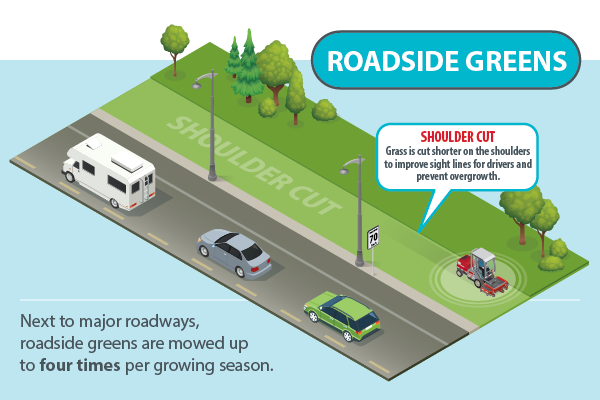
Mowing your lawn near roads can feel risky. You want your yard to look great, but safety should always come first.
If you’re unsure how to handle the job without putting yourself in danger, this guide is for you. You’ll learn simple, practical tips to keep yourself safe while getting your lawn looking sharp. Keep reading to discover how to protect yourself and others every time you mow near a busy street.
Your safety and your beautiful lawn both matter—and you can have both.

Credit: www.youtube.com
Safety Gear Essentials
Protective clothingshields your body from debris and sunburn. Long sleeves and pants made of tough fabric work best. Wear gloves to protect your hands from cuts and blisters. Strong shoes or boots help keep your feet safe from sharp objects and slips.
Eye and ear protectionis crucial near roads. Safety goggles stop dust and small stones from hitting your eyes. Earplugs or earmuffs reduce loud noise from the mower, protecting your hearing over time.
High-visibility apparelmakes you easier to see. Bright colors like orange or yellow with reflective strips catch drivers’ attention. This lowers the risk of accidents by making you stand out near traffic.
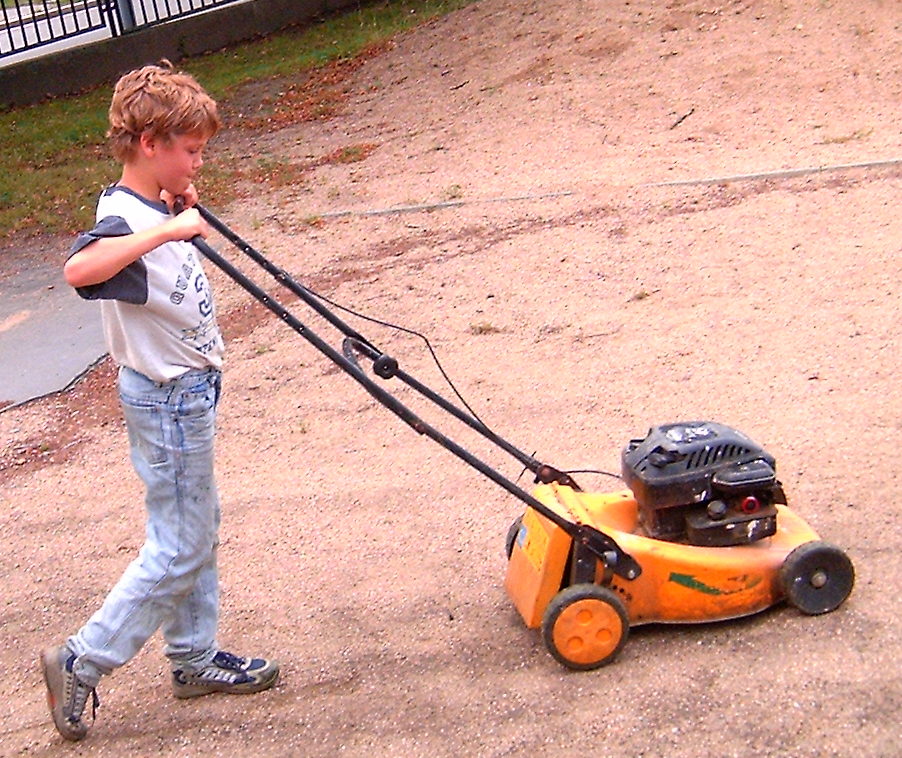
Credit: www.lawnstarter.com
Equipment Preparation
Choosing the right mower is key for safety near roads. A self-propelled mowerhelps control speed better. Look for models with a side discharge chuteto avoid throwing debris onto the road. Smaller mowers offer better maneuverability in tight areas.
Regular maintenance keeps the mower working well. Check the oil and fuel before each use. Keep the blade sharpfor clean cuts and less strain on the motor. Clean grass clippings from the deck to prevent clogging.
- Inspect blades for damage or dullness.
- Wear gloves when handling blades to avoid cuts.
- Disconnect spark plug before blade adjustments.
Always keep safety first by using the right equipment and care.
Pre-mowing Precautions
Marking boundaries helps keep the mower away from the road. Use bright flags or cones to show where the lawn ends. This makes it easier to see limits and avoid accidents.
Clear all debris before mowing. Rocks, sticks, and trash can fly and cause injury. Check the area carefully to make mowing safe and smooth.
Assessing traffic is very important. Watch the road for cars and bikes. Mow when traffic is low, such as early morning or late afternoon. Stay alert and move away if needed.
Safe Mowing Techniques
Mowing directionshould be away from the road to prevent debris from flying into traffic. Move at a slow and steady speedto keep control and avoid accidents. Fast mowing near roads increases risks for both you and drivers.
On slopes near roads, mow sidewaysrather than up and down. This reduces the chance of slipping or losing balance. Keep your footing firm and use a mower with good traction for safety.
- Check for debrislike stones or sticks before mowing.
- Clear the areato avoid objects being thrown by the mower.
- Use a mower with a blade guardto protect against flying debris.
Traffic Awareness
Warning signsalert drivers to slow down near mowing areas. Place signs clearly visible to oncoming traffic. Bright colors and clear text improve safety.
A spotterhelps watch for cars and other dangers. They can signal when it is safe to mow. Spotters increase awareness and reduce accidents.
Choose times with low trafficlike early mornings or weekends. Less traffic means fewer risks and more focus on mowing. Avoid busy hours to stay safe.

Credit: www.youtube.com
Emergency Preparedness
A first aid kitis important for safety. It should include bandages, antiseptic wipes, and gauze. Tweezers and scissors are also helpful. Always have a small bottle of hand sanitizer. Include pain relief tablets and a digital thermometer. Make sure everything is easy to reach.
Have a list of emergency numbersready. This includes family contacts and local services. Teach everyone how to use these numbers. Keep a written copy in your kit. Update it regularly. Make sure it’s waterproof.
Stay calm if an accident happens. Check for injuries right away. Call for help if needed. Use your first aid kit quickly. Apply pressure to stop bleeding. Talk to the injured person. Keep them comfortable until help arrives.
Frequently Asked Questions
How Can I Mow My Lawn Safely Near Roads?
Always wear high-visibility clothing and stay alert to traffic. Use a mower with safety features and avoid mowing during heavy traffic or low light. Maintain a safe distance from the road edge to prevent accidents and debris from flying into traffic.
What Equipment Is Best For Mowing Near Roads?
Use a self-propelled mower with a grass catcher to minimize debris. Consider a trimmer or edger for precise control near the curb. Safety gear like gloves, goggles, and ear protection is essential for safe operation near roads.
How Do I Prevent Debris From Hitting Vehicles?
Mow with the grass catcher attached to reduce flying debris. Mow in the direction away from the road whenever possible. Regularly clear clippings near the curb to keep the area clean and safe for passing vehicles.
When Is The Safest Time To Mow Near Roads?
Mow during daylight hours when visibility is highest. Avoid peak traffic times such as early morning or late afternoon. Calm, dry weather conditions reduce slipping hazards and improve mower control near roads.
Conclusion
Mowing near roads needs care and attention. Stay alert to traffic and pedestrians. Use bright clothes to stay visible. Keep a safe distance from the road edge. Check your mower before starting to avoid problems. Take breaks if you feel tired.
Following these tips helps keep you safe. A neat lawn looks good and stays healthy. Safety first. Always.





