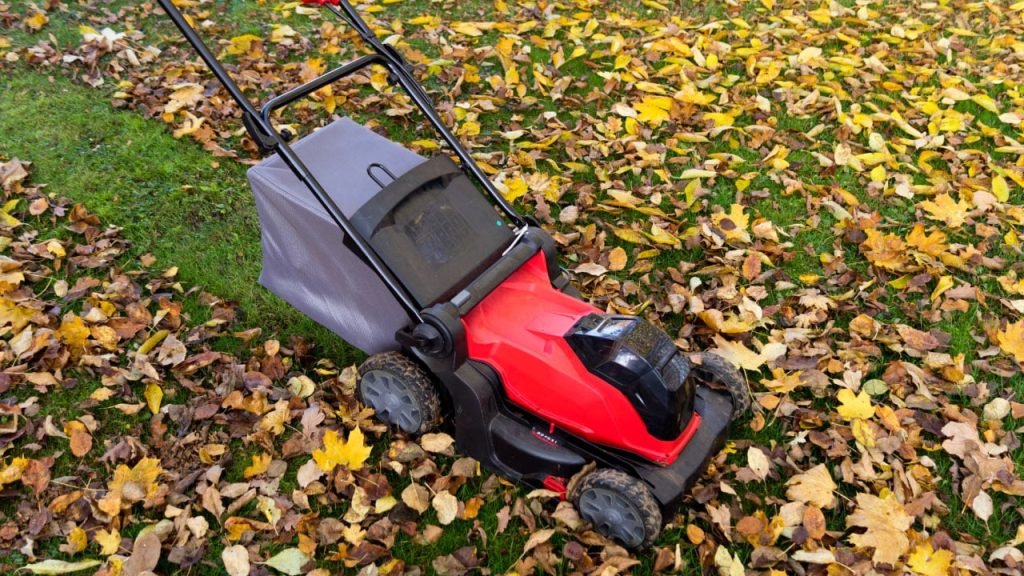
Are you wondering how to keep your lawn healthy as the cold season approaches? Mowing your lawn in late fall might seem tricky, but it’s one of the best ways to prepare your grass for winter.
If you do it right, your lawn will bounce back stronger and greener when spring arrives. In this guide, you’ll discover simple, effective steps to mow your lawn at the perfect height and time, helping you avoid common mistakes that could harm your grass.
Keep reading to learn how to give your lawn the care it needs before winter sets in.
Preparing Your Mower
Check the blade sharpnessbefore mowing. Dull blades tear grass, causing damage. Sharp blades cut cleanly, helping grass stay healthy.
Adjust the cutting heightto a higher setting. Grass grows slowly in late fall. Cutting too short can stress it and cause brown spots.
Clean the mower thoroughly. Remove grass clippings and dirt from the deck. Check the oil and air filter for good condition. Proper maintenancekeeps the mower ready for next use.

Credit: au.mowrator.com
Ideal Mowing Frequency
Grass grows slower in late fall. Mowing frequency depends on this growth. Check your lawn every few days to see if it needs cutting. Cutting too often can stress the grass before winter. Cutting too little can leave the lawn messy and uneven.
Choose a good time to mow. Avoid mowing when the grass is wet. Wet grass clogs the mower and can cause damage. Mow during the warmest part of the day to help grass dry quickly. This reduces the chance of disease.
- Check growth every 3-5 days
- Cut only if grass is longer than 3 inches
- Keep mower blades sharp
- Mow when grass is dry
- Pick a warm, sunny time for mowing
Optimal Mowing Techniques
Mow the lawn only when the grass is dry.Wet grass clumps and can harm the mower. Dry conditions help the blades cut cleanly, preventing damage to the grass. Choose a calm day to avoid spreading debris.
Avoid cutting the grass too short.Scalping weakens the lawn and exposes roots to cold. Keep the mower blade set higher during late fall to protect grass from frost and winter stress.
| Mulching | Bagging Leaves |
|---|---|
| Returns nutrients to the soil | Removes leaves from the lawn |
| Helps keep the lawn moist | Prevents leaves from smothering grass |
| Reduces waste going to landfill | Useful when leaves are thick and wet |
| Works well with light leaf cover | Better for heavy leaf buildup |

Credit: www.searshomeservices.com
Post-mowing Lawn Care
Cut grass clippings help protect your lawn in late fall. Raking leaves and keeping grass at the right height prevents mold and damage. Watering lightly before frost keeps roots healthy through winter.
Raking Leaves And Debris
Rake the fallen leaves from your lawn. Leaves block sunlight from reaching the grass. Remove twigs and debris too. Clean lawns help grass breathe and grow. Use a sturdy rake for best results. Collect leaves in a bag for composting. Keep your lawn tidy for healthier grass.
Fertilizing For Fall
Use a fall-specific fertilizer for your lawn. This helps the grass store nutrients. Choose a fertilizer rich in nitrogen and potassium. Apply it evenly across the lawn. This strengthens the grass roots for winter. Fertilizing keeps the lawn green and healthy.
Watering Tips Before Winter
Water the lawn thoroughly but not too much. Ensure water reaches the roots. Do not overwater as winter approaches. Check the weather forecast for rain. Avoid watering if rain is expected. Proper watering helps grass survive the cold months.
Common Mistakes To Avoid
Mowing too shortcan harm your lawn’s health in late fall. Cutting grass very low exposes roots to cold. This makes grass weak and more likely to die in winter. Leave the grass a bit longer to protect it from frost and cold winds.
Ignoring weather conditionscan cause damage too. Wet or frozen grass does not cut well and can clog the mower. It also causes uneven cuts and ruts in the soil. Choose dry days with mild weather to mow for best results.
Neglecting equipment maintenanceleads to poor mowing quality. Dull blades tear grass instead of cutting it cleanly. This can cause disease and brown spots. Clean and sharpen mower blades before each fall mowing session. Check fuel, oil, and air filters too.
Benefits Of Late Fall Mowing
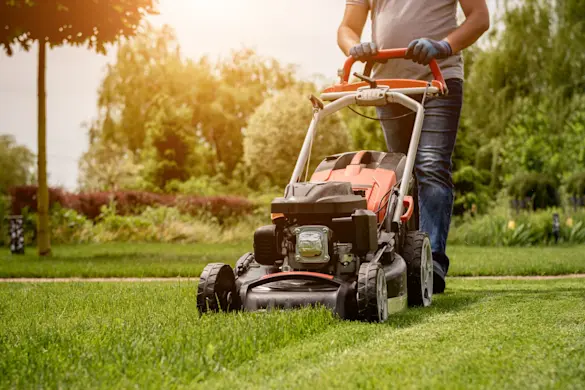
Mowing the lawn in late fallhelps keep grass healthy before winter. Cutting grass at the right height lets sunlight and air reach the roots. This promotes strong grass growthand helps it store energy for spring.
Preparing the lawn for winter dormancy is key. Late fall mowing removes old, dead grass. This makes the lawn cleaner and ready for cold weather. It also helps the grass go into rest mode smoothly.
Reducing pest and disease risks is another benefit. Shorter grass means fewer places for bugs and fungi to hide. This keeps the lawn healthier and lowers the chance of problems in spring.
Credit: www.searspartsdirect.com
Frequently Asked Questions
How Often Should I Mow My Lawn In Late Fall?
Mow your lawn every 1 to 2 weeks in late fall. This keeps grass healthy and prevents disease. Adjust frequency based on growth and weather conditions.
What Grass Height Is Best For Late Fall Mowing?
Keep grass height around 2 to 2. 5 inches in late fall. This prevents stress and helps the lawn survive winter effectively.
Should I Change Mower Settings For Late Fall?
Yes, raise the mower blade slightly in late fall. This avoids cutting grass too short and protects roots from cold damage.
Is It Important To Clear Leaves Before Mowing?
Yes, remove leaves before mowing. Leaves block sunlight and trap moisture, which can harm grass and promote fungus growth.
Conclusion
Mowing your lawn in late fall helps keep it healthy through winter. Cut the grass a bit shorter than usual, but not too short. Clear leaves and debris before mowing for best results. Use sharp blades to avoid damaging the grass.
Regular mowing reduces disease and pests in cold months. A tidy lawn in fall means a stronger lawn in spring. Small steps now bring big benefits later. Stay consistent, and your lawn will thank you.





