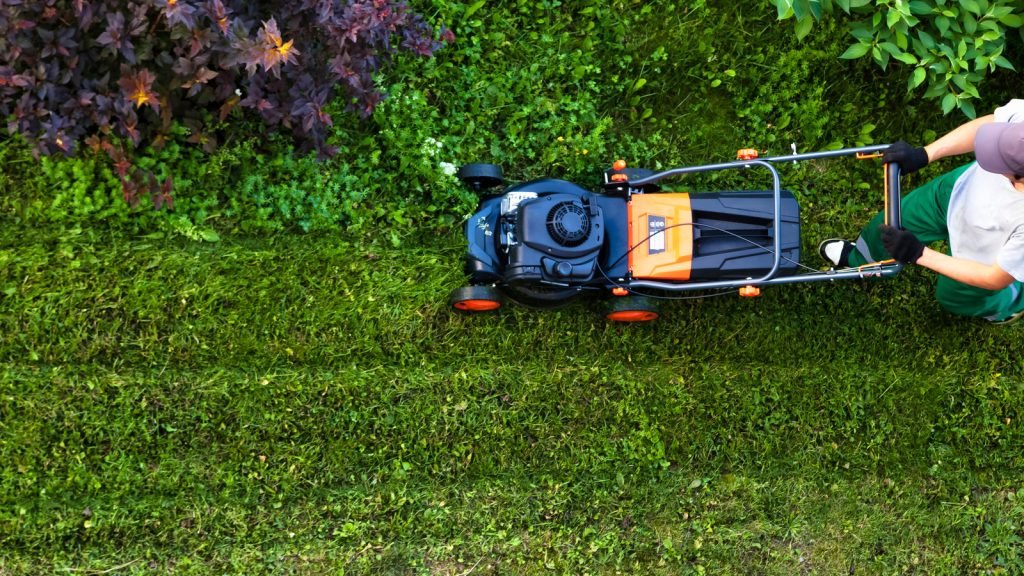
Are you struggling to keep your lawn healthy and green during the scorching summer heat? Mowing your lawn in hot weather can be tricky, but with the right tips, you can protect your grass and make your yard look its best.
You’ll discover simple and effective ways to mow your lawn safely and efficiently when temperatures soar. Keep reading to learn how to save your grass from damage and enjoy a beautiful yard all summer long.
Preparing Your Lawn Mower
Check the blade of your mower before you start. A dull bladecan harm the grass. Sharp blades cut cleanly and keep your lawn healthy. Use a blade sharpener or replace the blade if needed.
Set the cutting height higher for hot summer days. Taller grass helps keep the soil cool and holds moisture better. Avoid cutting too short to stop the grass from drying out.
| Fuel and Maintenance Tips |
|---|
| Use fresh fuel to keep the mower running smoothly. |
| Check the oil level and change it if dirty. |
| Clean air filters to help the engine breathe well. |
| Look for loose bolts or parts and tighten them. |
Best Time To Mow
Mowing the lawn during cooler hourshelps keep the grass healthy. Early morning is often the best choice. The grass is still damp with dew, making cutting easier. Plus, temperatures are lower, so the lawn won’t dry out quickly.
Evening mowing is also good. The sun is less intense, and the air starts to cool down. However, the grass may be dry, so cutting can cause some stress to the lawn. Avoid mowing too late to prevent fungus growth on wet grass.
Avoid mowing in the midday heat.The sun is strong, and the heat can damage the grass. Cutting during this time can make the grass dry and brown. It also makes the mower work harder and can be uncomfortable for you.
Mowing Techniques For Hot Weather
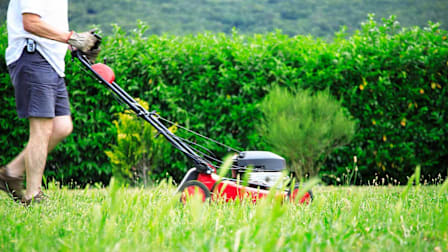
Keep grass longer in hot weather. Longer grass shades roots and holds moisture. This helps the lawn stay green and healthy.
Mow in different directions each time. This prevents grass from leaning one way and keeps it standing tall. It also helps cut grass evenly.
Avoid cutting too short. Short grass dries out faster and can get sunburned. Leave at least 3 inches of grass height for best results.
Credit: www.consumerreports.org
Watering Strategies
Water lawns early in the morning to reduce water loss from heat. Deep, infrequent watering helps roots grow stronger and stay healthy during summer. Avoid watering in the evening to prevent disease.
Water the lawn in the early morning. The sun is not too hot then. This helps the water reach the roots. Watering in the evening can cause fungus. Always avoid watering during the hottest part of the day. Grass needs about 1 inch of water every week. Use a rain gauge to measure the amount. Watering deeply helps roots grow strong. Too much water can harm the grass. Grass turns brown and looks dry. Leaves might feel crunchy underfoot. Footprints stay visible on the lawn. These are signs the grass needs more water. `Lawn Care After Mowing
Grass clippings can block sunlight and trap moisture. It is best to clear them off the lawn after mowing. Use a rake or lawn sweeper for easy collection. Removing clippings helps prevent mold and lawn disease.
Fertilizing helps the lawn recover from heat stress. Use a slow-release fertilizer to feed the grass over time. Avoid fertilizing during the hottest part of the day to prevent burning. Early morning or late evening is ideal for applying fertilizer.
Hot weather can stress your lawn. Water deeply but less often to encourage strong roots. Avoid heavy foot traffic on the grass to reduce damage. Aerate the soil if it feels compacted. This helps water and air reach the roots better.

Credit: getlawnbright.com
Preventing Lawn Damage
Heat stresscan harm grass by making it dry and weak. Mow early in the morning or late evening to avoid the hottest hours. Use a sharp mower blade to cut cleanly and prevent tearing. Set mower height higher to leave longer grass blades. Longer blades help shade the soil and keep roots cooler.
Pest and weed controlis important in summer. Watch for pests like grubs and beetles that eat roots and leaves. Remove weeds quickly as they compete for water and nutrients. Use natural pest control options to protect beneficial insects.
| Soil Health Maintenance | Actions |
|---|---|
| Watering | Water deeply but less often to encourage strong roots. |
| Fertilizing | Use slow-release fertilizer to feed grass without burning it. |
| Soil Aeration | Loosen compacted soil to improve air and water flow. |
Tools And Products To Use
Recommended mowersfor hot summer lawns include electric and gas-powered models. Electric mowers are quieterand lighter, making them easy to use. Gas mowers are better for larger lawnsbecause they have more power. Choose a mower with an adjustable height to avoid cutting grass too short, which can stress it in the heat.
Lawn care accessorieshelp keep grass healthy. Use a raketo remove dead leaves and grass clippings. A sprayercan apply water or fertilizer evenly. Gloves protect hands from sun and dirt. Wear a hat and sunscreen for extra protection.
| Eco-friendly Options | Benefits |
|---|---|
| Battery-powered mowers | Less noise, no gas fumes |
| Manual reel mowers | No fuel, good exercise |
| Organic fertilizers | Safe for pets and plants |
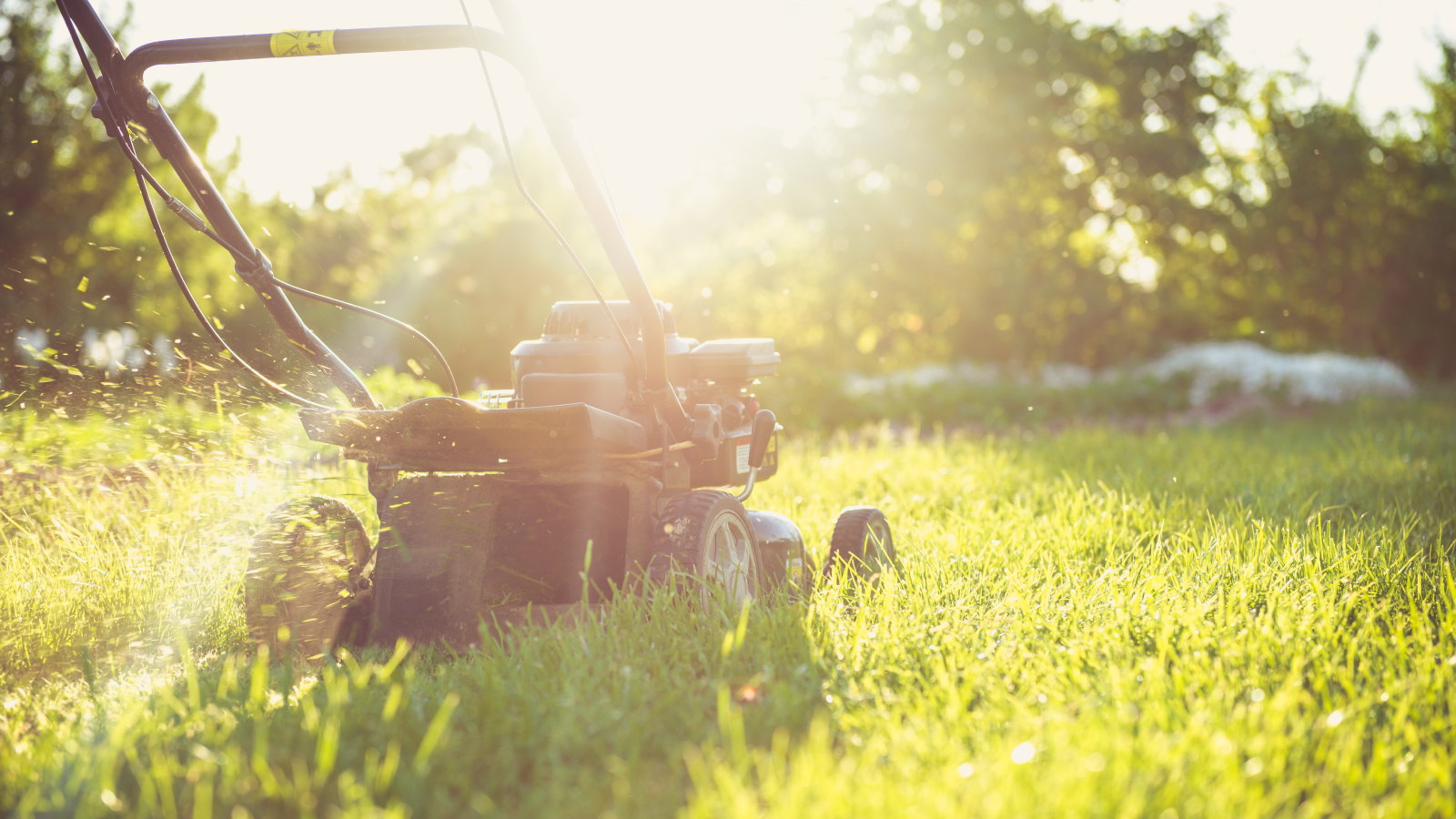
Credit: www.homesandgardens.com
Frequently Asked Questions
How Often Should I Mow My Lawn In Hot Summer?
Mow your lawn once a week during hot summer. Frequent mowing prevents stress and promotes healthy growth. Avoid cutting too short to protect grass from heat damage.
What Grass Height Is Best For Summer Mowing?
Keep grass height between 3 to 4 inches in summer. Taller grass shades roots, retains moisture, and reduces heat stress. Avoid cutting more than one-third of the grass blade at once.
When Is The Best Time To Mow In Summer?
Mow your lawn early morning or late evening in summer. These times are cooler and reduce stress on grass. Avoid midday mowing when heat is strongest to prevent damage.
Should I Water Lawn Before Or After Mowing?
Water your lawn lightly before mowing to soften soil. After mowing, water deeply to help grass recover and stay hydrated. Avoid watering during peak heat to reduce evaporation.
Conclusion
Mowing your lawn in hot summer needs care and timing. Cut grass early or late to avoid heat stress. Use sharp blades for clean cuts that help grass stay healthy. Don’t cut too short; leave some length to protect roots.
Water your lawn properly after mowing to keep it green. These small steps keep your lawn strong and fresh all summer. A healthy lawn makes your outdoor space nice and cool. Take care, and enjoy your green, lively yard every day.