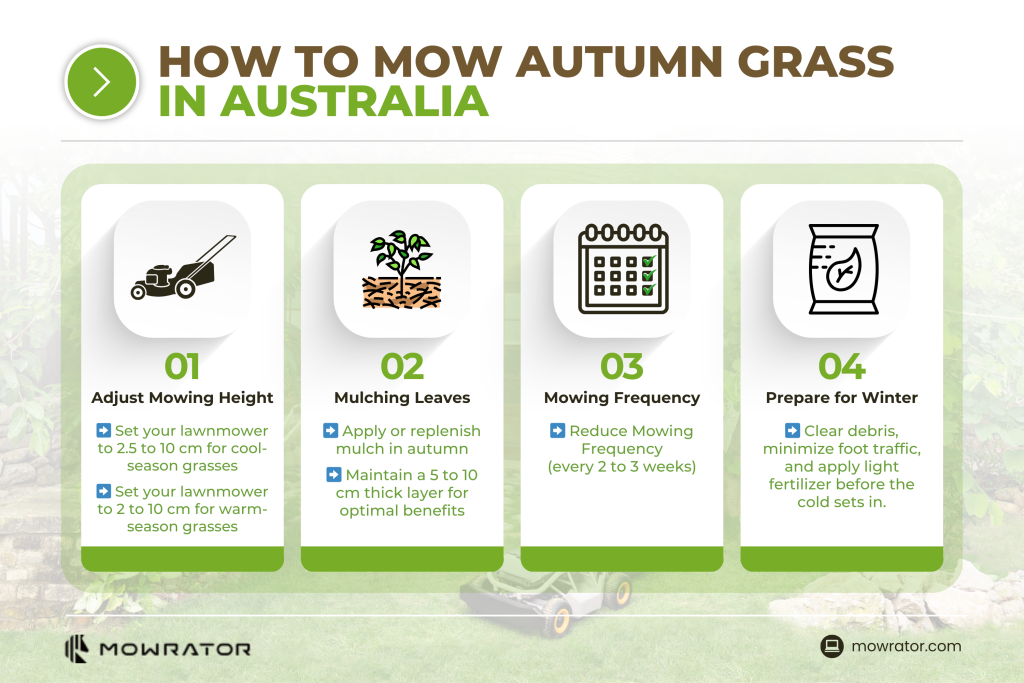
Are you wondering how to keep your lawn healthy as the seasons change? Mowing your lawn in autumn is more important than you might think.
The right mowing techniques now can help your grass stay strong through winter and come back greener in spring. You’ll discover simple, effective tips to mow your lawn the right way this autumn. Keep reading to learn how to protect your lawn and make it look its best all year long.
.png?w=1280&h=720)
Credit: www.yarbo.com
Preparing Your Mower
Check the mower blades carefully for any dullness or damage. Sharp blades cut grass cleanly, helping your lawn stay healthy. Dull blades tear the grass, which can cause disease.
Use a file or sharpening tool to sharpen the blades. Wear gloves to protect your hands. If blades are badly damaged, replace them for safety and better cutting.
Adjust the cutting height to a higher level in autumn. Grass grows slower, so cutting too short can stress it. Setting a higher cut helps protect roots from cold weather.
Clean grass clippings and dirt from the mower after each use. This stops rust and keeps the mower working well. Check the oil and fuel levels, and change the oil if needed.
- Remove stuck grass and debris
- Check and tighten all screws
- Lubricate moving parts
- Store mower in a dry place

Credit: au.mowrator.com
Ideal Mowing Frequency
The growth rate of grassin autumn changes with temperature and daylight. Cooler days and shorter sunlight slow down grass growth. Rainfall also affects how fast the lawn grows. Lawns grow faster after rain but slow during dry periods. Soil quality and grass type matter too. Some grasses grow well in cool weather, others do not.
The recommended mowing schedulevaries. Usually, mowing once a week works early in autumn. As growth slows, mow every 10 to 14 days. Avoid cutting too short; leave grass around 2.5 to 3 inches tall. This helps protect roots from cold. Always use a sharp mower blade for clean cuts.
| Factor | Effect on Growth | Recommended Mowing Frequency |
|---|---|---|
| Temperature | Cooler slows growth | Once every 10-14 days |
| Daylight | Less sunlight slows growth | Reduce mowing frequency |
| Rainfall | More rain speeds growth | Mow weekly after rain |
| Grass Type | Cool-season grows well | Adjust based on type |
| Soil Quality | Better soil supports growth | Maintain regular mowing |
Best Mowing Techniques
Optimal mowing patternshelp keep your lawn healthy and neat. Mow in different directions each time. This prevents grass from leaning and soil compaction. Change patterns between horizontal and vertical cuts. It allows better air and sunlight flow to roots. Avoid always mowing in the same lines. This also stops ruts forming in the soil.
Handling wet or dewy grassneeds care. Wet grass clumps can clog your mower. Wait until the grass dries if possible. Wet mowing can cause uneven cuts and damage. If you must mow wet grass, use a sharp blade. Mow slowly and clean the mower deck often to avoid buildup.
Avoiding scalpingprotects grass crowns. Scalping happens when grass is cut too short. Keep mower height higher during autumn, around 2.5 to 3 inches. Taller grass helps roots stay strong for winter. Cutting too low weakens grass and invites weeds. Adjust mower blades carefully to maintain proper height.
Credit: scottslawncare.net
Managing Fallen Leaves
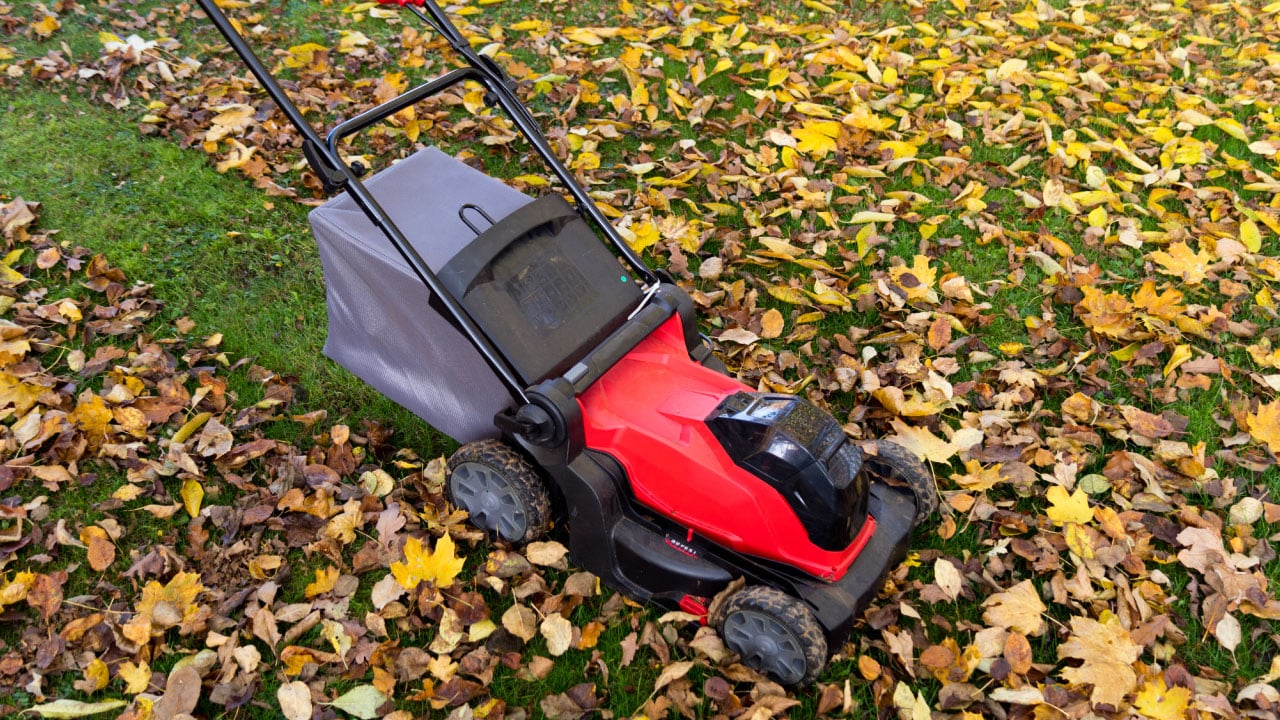
Raking leaves before mowing prevents clogging and helps the lawn breathe. Mulching fallen leaves adds nutrients back into the soil. Mow regularly to keep leaves from piling up and smothering grass.
Mulching Leaves With Mower
Using a mower for mulching is smart. It chops leaves into small bits. These bits become natural fertilizer for your lawn. Grass loves this extra food. Mulching saves time and effort. No need to bag leaves. The mower does the work for you.Raking Vs. Mulching Benefits
- Mulching keeps nutrients in the soil.
- Raking is more work and takes time.
- Mulched leaves break down quickly.
- Raking can cause blisters and tiredness.
- Mulching is better for the environment.
Adjusting Lawn Care For Cooler Weather
Fertilizingin autumn helps your lawn store nutrients for winter. Choose a slow-release fertilizerwith higher potassium. This boosts grass strength and root growth. Apply fertilizer after mowing, on dry grass, for best results. Avoid fertilizing late in the season to prevent new growth.
Watering should be less frequentbut deep. Cooler weather means grass needs less water. Check soil moisture before watering. Water early in the day to reduce evaporation and prevent disease.
Preparing grass for winter means raising mower heightslightly. This helps protect grass blades from frost. Remove leaves and debris to let sunlight reach the grass. Aerate soil if compacted to improve root health. These steps help grass survive cold months.
Common Mistakes To Avoid
Mowing too shortweakens grass roots. Grass needs leaves to gather sunlight. Cutting too low stops growth and makes lawn brown. Keep mower blades higher in autumn to protect grass.
Ignoring lawn healthleads to problems. Fallen leaves and debris block sunlight. Grass can get mold or pests. Remove leaves often and check for signs of disease. Water lawn moderately to keep it healthy.
Neglecting equipment caremakes mowing hard. Dull blades tear grass instead of cutting cleanly. Clean mower parts after use to stop rust. Check fuel and oil before each mow. Well-kept tools help a neat lawn.
Frequently Asked Questions
How Often Should I Mow My Lawn In Autumn?
Mow your lawn every 7 to 10 days during autumn. This frequency maintains grass health without stressing it. Adjust based on growth rate and weather conditions for best results.
What Is The Ideal Grass Height For Autumn Mowing?
Keep your grass height between 2. 5 to 3 inches in autumn. This height protects roots from cold and retains moisture. Avoid cutting too short to prevent lawn damage.
Should I Change Mower Settings For Autumn?
Yes, raise the mower blade slightly in autumn. This helps keep grass blades longer for better insulation. Lowering the blade too much can harm the lawn’s health.
Is It Important To Remove Fallen Leaves Before Mowing?
Yes, remove fallen leaves before mowing to prevent smothering grass. Leaves can block sunlight and trap moisture, causing fungal issues. Clearing leaves promotes healthy lawn growth.
Conclusion
Mowing your lawn in autumn keeps it healthy and neat. Cut the grass shorter than in summer but not too low. Clear fallen leaves often to let sunlight reach the soil. Use sharp mower blades for clean cuts. Avoid mowing when the grass is wet to prevent damage.
Follow these simple steps for a green lawn next spring. Taking care now saves work later. Enjoy your tidy yard all season long.