Are you ready to give your lawn the best care before winter sets in? How you mow your lawn now can make a big difference when spring arrives.
Cutting your grass the right way helps protect it from cold damage and keeps it healthy under snow. If you want a lush, green lawn next year, you need to know exactly how to mow before winter. Keep reading, and you’ll discover simple, easy steps that anyone can follow to get your lawn winter-ready.
Your yard will thank you when the warm weather returns!
Timing Your Last Mow
Cut the grass to about 2 to 2.5 inchesfor most lawns. This height helps protect roots during cold months. Grass too short may get damaged by frost. Too tall grass can trap moisture and cause mold.
Check the weather forecastbefore mowing. Avoid mowing if the ground is wet or frozen. Wet grass clumps and can harm the lawn. Mow on dry, calm daysfor best results.

Credit: www.homesandgardens.com
Preparing Your Mower
Sharpening the mower blade is key for a clean cut. Dull blades tear grass, causing damage. Use a sharpening stone or a grinder. Always wear safety goggles and gloves. Remove the blade carefully before sharpening. Check for nicks or bends; replace if damaged. Balance the blade after sharpening to avoid vibrations. A balanced blade protects your mower motor.
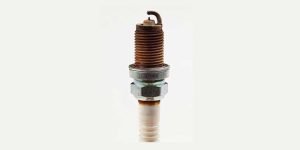
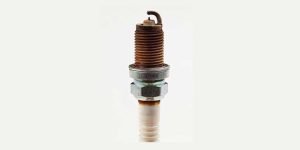
Before storing your mower, clean it well. Remove grass clippings and dirt from under the deck. Check the oil level and change if dirty. Empty the fuel tank or add a fuel stabilizer. Remove the spark plug to prevent accidental starts. Store the mower in a dry, cool place. Cover it to protect from dust and moisture.
Mowing Techniques For Winter
Adjusting the mower height is key for winter lawn care. Set the mower blades higher than usual. This helps protect grass from cold and frost damage. Taller grass blades catch more sunlight and stay healthier.
Cutting too short can stress the lawn. It leaves grass weak and open to disease. Aim for a height around 2.5 to 3 inches before winter.
- Raise mower deck to a higher setting.
- Keep grass blades longer to shield roots.
- Avoid scalping or cutting grass very short.
Avoiding lawn damage means not mowing when grass is wet or frozen. Wet grass can clump and cause uneven cuts. Frozen grass breaks and looks patchy. Mow only on dry, mild days.
Using sharp mower blades also reduces damage. Dull blades tear grass, making it weak for winter. Sharpen blades before the last mow for clean cuts.
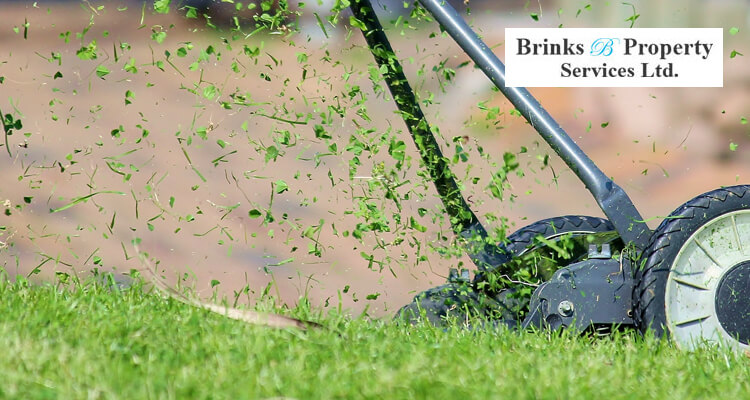
Credit: brinkslandscaping.com
Post-mowing Lawn Care
Cut grass slightly shorter before winter to prevent mold and pests. Clear debris and water your lawn to keep roots healthy. This care helps your lawn stay strong for spring growth.
Clearing Debris
Remove all leaves and sticks from the lawn. This keeps the grass healthy. A clean lawn lets air and sunlight reach the soil. Use a rake to gather loose debris. Bag the debris and dispose of it properly. Check for any hidden items like toys or stones. These can harm the lawn mower next time.
Applying Fertilizer And Treatments
Apply fertilizer to help grass stay strong in winter. Choose a winter-specific fertilizer for best results. Spread it evenly across the lawn. Use a spreader for even application. Follow the instructions on the fertilizer package. Water the lawn lightly after applying fertilizer. This helps it soak into the soil. Treatments like weed control can prevent unwanted plants. Ensure treatments are safe for your lawn type.
Common Mistakes To Avoid
Cutting grass too shortcan harm your lawn before winter. Grass needs some height to stay healthy and protect roots from cold. Leaving grass too short makes it weak and more likely to die. Aim to keep grass about 2 to 3 inches tall to help it survive cold months.
Ignoring weather forecastscan cause problems while mowing. Wet or freezing weather can damage grass and soil. Mow only when the ground is dry and temperatures are above freezing. Check the forecast to pick the best day for mowing. This helps keep your lawn strong and ready for winter.

Credit: gardenexperts.co.nz
Benefits Of Proper Winter Mowing
Proper winter mowinghelps grass stay healthy during cold months. Cutting the lawn at the right height lets roots grow strong. This prepares grass for spring growth. Grass that is too tall can catch snow and moisture, causing damage.
Keeping the lawn shortalso reduces places where pests can hide. Bugs and rodents like tall grass for shelter. A well-mowed lawn lowers pest problems in winter and spring. This means less damage and healthier grass overall.
Frequently Asked Questions
How Often Should I Mow My Lawn Before Winter?
Mow your lawn weekly until growth slows in late fall. Gradually reduce frequency to avoid stressing grass. Regular mowing promotes healthy roots for winter dormancy.
What Is The Ideal Grass Height Before Winter?
Keep grass height around 2 to 2. 5 inches before winter. This length prevents mold and snow damage. Avoid cutting too short to protect roots from cold.
Should I Change Mower Blade Settings For Winter?
Yes, lower your mower blade gradually in late fall. Aim for a shorter cut but not below 2 inches. This helps grass conserve energy and reduces winter diseases.
When Is The Best Time To Do The Last Mow?
The last mow should be just before the first hard frost. This timing strengthens grass and prepares it for dormancy. Avoid mowing wet or frozen grass to prevent damage.
Conclusion
Preparing your lawn before winter helps it stay healthy and strong. Cut the grass to the right height to protect roots. Clear leaves and debris so sunlight reaches the soil. Water the lawn well before cold weather starts. These simple steps make spring growth easier and faster.
A little care now saves time and work later. Your lawn will thank you with a fresh, green look next season. Keep it neat and ready for winter’s rest. Simple actions bring great results.