Are you tired of spending time mowing your lawn and worrying about the impact it has on the environment? What if you could keep your grass looking great while also cutting down on carbon emissions?
You’re about to discover simple, effective ways to mow your lawn that help protect the planet. By making a few smart changes, you can enjoy a healthy yard and do your part to reduce pollution. Keep reading to find out how easy it is to make a big difference with your everyday lawn care.

Credit: fairwaylawns.com
Benefits Of Eco-friendly Lawn Care
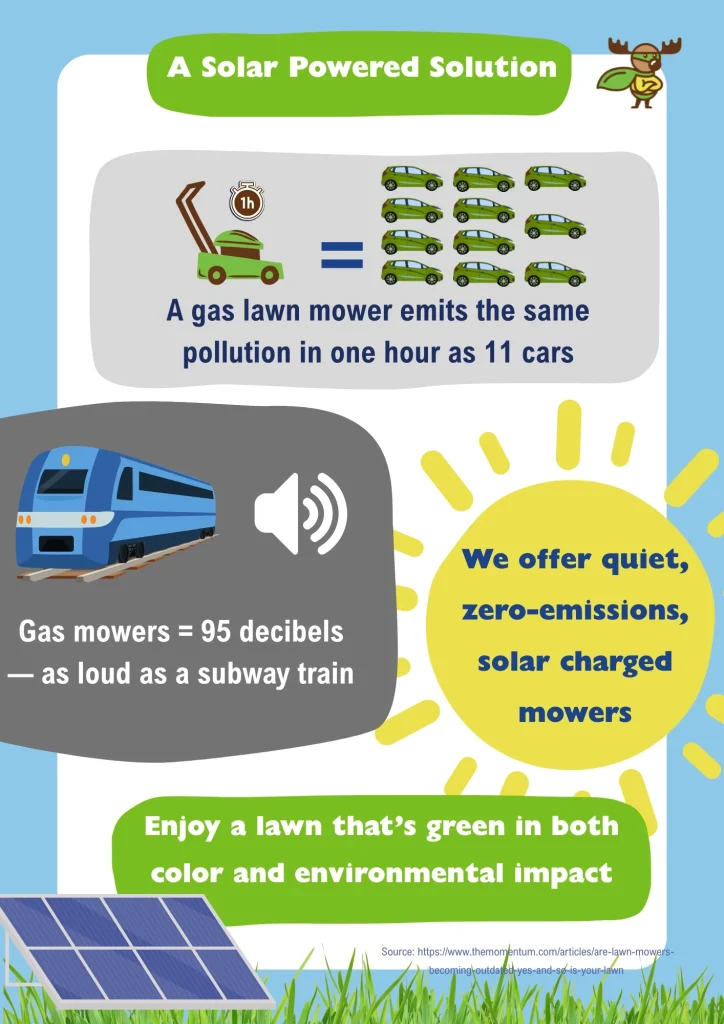
Traditional lawn mowers often run on gas. They release carbon emissionsthat harm the air. This adds to global warmingand pollution. Gas mowers also make noise, disturbing nearby animals and people.
Eco-friendly lawn care uses electricor manual mowers. These produce little or no emissions. They help keep the air cleanand quiet. Using less fuel saves money and protects the planet.
| Environmental Advantage | Benefit |
|---|---|
| Lower Carbon Footprint | Reduces greenhouse gases from lawn care |
| Improved Air Quality | Less pollution means fresher air to breathe |
| Noise Reduction | Creates a peaceful outdoor space |
| Fuel Savings | Reduces spending on gasoline |
Choosing Sustainable Lawn Equipment
Electric and battery-powered mowersproduce less noise and no direct emissions. They run quietly and are easier to maintain. Charging with renewable energy cuts carbon footprint further.
Manual reel mowersuse human power only. No fuel or electricity is needed. They are light, simple, and good for small lawns. Plus, they provide exercise.
Solar-powered alternativesuse solar panels to charge batteries. This option saves energy and reduces pollution. They work best in sunny areas and help cut energy costs.
| Type | Energy Source | Carbon Emissions | Best For |
|---|---|---|---|
| Electric/Battery-Powered | Electricity (can be solar charged) | Low | Medium to large lawns |
| Manual Reel | Human power | None | Small lawns |
| Solar-Powered | Solar energy | Very low | Sunny areas, medium lawns |
Mowing Techniques To Cut Emissions
Keep grass at an optimal heightof about 3 inches. Cutting too short can stress grassand increase water use. Mow more often but remove only one-third of the grass blade each time. This helps the lawn stay healthy and reduces the need for extra watering or chemicals.
Grasscyclingmeans leaving grass clippings on the lawn. These clippings break down quickly and return nutrientsto the soil naturally. It reduces the need for fertilizersand cuts carbon emissions from making and applying them.
Choose the best time for mowing to save energy. Mow early morningor late afternoon to avoid heat stress on grass and mower. Avoid mowing wet grass; it slows the mower and uses more fuel. These small changes help reduce carbon emissions.

Credit: www.oceanriver.org
Alternative Lawn Maintenance Practices
Planting native and drought-resistant grasseshelps save water and reduces the need for mowing. These grasses grow well in your area and need less care. They also attract local wildlife and improve soil health. Choosing the right grass means less watering and fewer chemicals.
Reducing lawn size with landscapingmeans using smaller grass areas and more natural features. Adding trees, shrubs, or flower beds cuts down on the space that needs mowing. This change lowers carbon emissions and creates a more diverse garden.
Incorporating ground covers and mulchprotects soil and keeps weeds away. Ground covers need little mowing and help keep moisture in the soil. Mulch around plants reduces water loss and stops grass growth in unwanted areas. Both practices reduce lawn maintenance time and pollution.
Additional Tips To Lower Carbon Footprint
Choosing electric or manual mowers cuts down harmful emissions significantly. Grasscycling by leaving clippings on the lawn helps return nutrients and reduces waste. Mowing during cooler parts of the day also lowers energy use and emissions.
Regular Equipment Maintenance
Keep your lawn mower in good shape. This means checking the oil and cleaning the blades. Sharp blades cut grass better and use less energy. Regular checks prevent breakdowns and help the machine work well. This way, you use less fuel and reduce pollution.Using Organic Fertilizers And Pest Control
Choose organic fertilizers for your lawn. They are better for the environment. Natural pest control keeps bugs away without harming nature. Less chemicals in the soil means healthier grass and less pollution.Water Conservation Strategies
Water the lawn early in the morning or late afternoon. This reduces water waste. Use rain barrels to collect rainwater for your lawn. Water the lawn deeply, but less often. This helps grass roots grow strong. `
Credit: medium.com
Frequently Asked Questions
How Does Mowing Affect Carbon Emissions?
Mowing releases carbon dioxide from gas-powered mowers. Electric or manual mowers reduce these emissions effectively. Regular mowing also keeps grass healthy, promoting carbon absorption.
What Are Eco-friendly Lawn Mowing Options?
Electric mowers, battery-powered models, and reel mowers produce fewer emissions than gas mowers. They also reduce noise pollution and require less maintenance.
How Often Should I Mow To Reduce Emissions?
Mow your lawn once a week during the growing season. Frequent mowing prevents overgrowth, reducing the need for intensive mowing and lowering emissions.
Can Grass Clippings Help Lower Carbon Footprint?
Yes, leaving clippings on the lawn recycles nutrients and reduces waste. This practice decreases the need for chemical fertilizers, cutting down emissions further.
Conclusion
Mowing your lawn can help lower carbon emissions. Choose electric or manual mowers for cleaner air. Cut grass regularly but not too short to keep plants healthy. Compost grass clippings instead of throwing them away. This adds nutrients back to the soil naturally.
Remember, small actions add up to big changes. Save energy, protect the planet, and enjoy a green yard. Simple steps make a difference for the environment and your home. Keep your lawn green and the air fresh.





