Your lawn is more than just a patch of green—it’s a chance to care for the environment while keeping your yard neat and healthy. But did you know that the way you mow can either help or harm the planet?
What if you could keep your grass looking great and protect nature at the same time? You’ll discover simple, smart mowing tips that save you time, reduce pollution, and boost your lawn’s health. Keep reading to learn how your next mow can make a real difference—for you and the environment.

Credit: southernbotanical.com
Choosing Eco-friendly Mowers
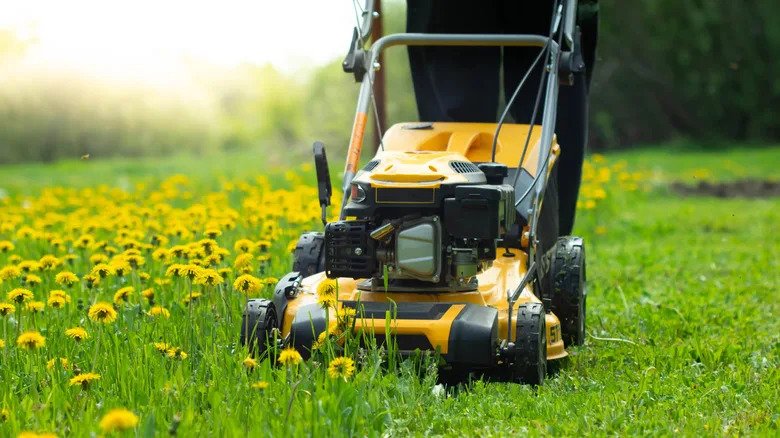
Electric mowersproduce less pollution than gas mowers. They run quietly and need less maintenance. Gas mowers use fuel that harms the air and can leak oil. Battery-powered mowers offer freedom without cords. They are lighter and easier to push.
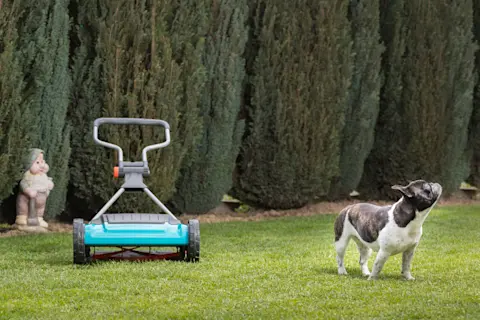
Manual reel mowers do not use fuel or electricity. They cut grass with blades that spin when you push. These mowers are good for small lawns and help reduce noise and pollution.
| Mower Type | Power Source | Environmental Impact | Best For |
|---|---|---|---|
| Electric Mowers | Plug-in Electricity | Low emissions, quiet | Medium to large lawns |
| Gas Mowers | Gasoline | High emissions, noisy | Large lawns |
| Battery-Powered Mowers | Rechargeable Battery | Low emissions, cordless | Small to medium lawns |
| Manual Reel Mowers | Human Power | No emissions, very quiet | Small lawns |
Mowing Techniques For Healthier Lawns
Cut grass at the right height to keep it strong. Most grasses do well when cut between 2.5 to 3 inches. Avoid cutting more than one-third of the grass blade at once. This helps the grass stay green and healthy.
Cut the lawn often but not too much. Mow once a week during active growth. Less frequent mowing can stress the grass. In cool or dry weather, mow less to protect the lawn.
- Grasscyclingmeans leaving grass clippings on the lawn.
- Clippings add nutrients back to the soil naturally.
- This reduces waste and cuts down on fertilizer use.
- Helps keep moisture in the soil for longer.
- Less mowing time and less bagging clippings needed.
Water Conservation Strategies
Water your lawn early in the morningor late in the evening. This reduces water loss due to evaporation. Avoid watering during the hot midday sun.
Collect and use rainwaterto water your lawn. Rainwater is natural and free of chemicals. It helps save tap water and reduces water bills.
| Grass Type | Water Needs | Climate Suitability |
|---|---|---|
| Bermuda Grass | Low | Warm, Dry |
| Buffalo Grass | Very Low | Hot, Arid |
| Fescue | Medium | Cool, Temperate |
Choose drought-resistant grassto reduce watering needs. These grasses survive with less water and stay green longer.
Credit: www.discovermagazine.com
Reducing Chemical Use
Natural fertilizershelp keep your lawn healthy without chemicals. Compost and manure add nutrients and improve soil. These options reduce pollution and support earthworms, which help the soil breathe.
Pest control alternativesavoid harmful sprays. Use ladybugs or praying mantises to eat pests naturally. Planting marigolds or garlic can keep bugs away. Hand-picking pests also works well and is safe for the environment.
Weed prevention methodshelp stop weeds before they grow. Mulching blocks sunlight, so weeds can’t sprout. Regular mowing and watering keep grass strong, making it hard for weeds to grow. Pulling weeds by hand removes them safely.
Protecting Wildlife In Your Lawn
Creating small habitat spacesin your lawn helps wildlife thrive. Leave some areas with long grassor native plants. These spots give shelter and food for insects and small animals.
Avoid using harmful chemicalslike pesticides and herbicides. These can hurt birds, bees, and other helpful creatures. Instead, try natural ways to keep your lawn healthy.
Encourage pollinatorssuch as bees and butterflies by planting flowering plants. Choose flowers that bloom at different times to provide food all year. Pollinators help plants grow and keep the environment strong.
Recycling And Waste Management
Mowing your lawn with care helps protect the environment by reducing waste and pollution. Using electric mowers and leaving grass clippings on the lawn supports recycling and soil health. This simple practice lowers emissions and keeps your yard green and healthy.
Composting Grass Clippings
Grass clippings are great for compost. They are rich in nutrients. Add them to a compost bin. Mix well with other yard waste. This helps them break down faster. Compost enriches soil. It makes plants grow strong.Proper Disposal Of Lawn Waste
Dispose of lawn waste wisely. Use a yard waste bag. Fill it with leaves and branches. Some cities offer collection services. Check local rules about this. Keep your yard clean. It keeps the environment healthy.Using Mulch Effectively
Mulch helps keep moisture in the soil. It stops weeds from growing. Use grass clippings as mulch. Spread them evenly on the ground. They will break down naturally. Mulch also keeps the soil warm. It’s very helpful in winter. `
Credit: customlawn.com
Frequently Asked Questions
How Often Should I Mow My Lawn For Best Results?
Mow your lawn once a week during the growing season. This frequency promotes healthy grass growth and prevents overcutting. Adjust mowing based on weather and grass type. Regular mowing reduces weeds and improves lawn appearance while protecting the environment.
What Mowing Height Protects Grass And Benefits The Environment?
Set your mower blade to 3 inches high. Taller grass shades roots, retains moisture, and reduces weed growth. This height supports soil health and encourages beneficial insects. Proper mowing height conserves water and lessens environmental impact.
Can Grass Clippings Be Left On The Lawn Safely?
Yes, leaving grass clippings recycles nutrients back into the soil. This practice reduces the need for chemical fertilizers. Clippings decompose quickly, improving soil health and supporting earthworms. It’s an eco-friendly way to maintain a healthy lawn.
What Type Of Mower Is Eco-friendly For Lawn Care?
Electric or manual reel mowers are best for the environment. They produce zero emissions and reduce noise pollution. Battery-powered mowers offer convenience with lower environmental impact. Choosing these mowers supports sustainable lawn maintenance.
Conclusion
Mowing your lawn can help the environment too. Choose electric or manual mowers to cut pollution. Keep grass a bit longer to save water and soil. Leave grass clippings on the lawn; they add natural fertilizer. Water early in the morning to reduce evaporation.
Small changes make a big difference for nature. Care for your lawn and protect the planet at the same time. Simple steps lead to a greener, healthier outdoor space. Your lawn can look great and be eco-friendly.