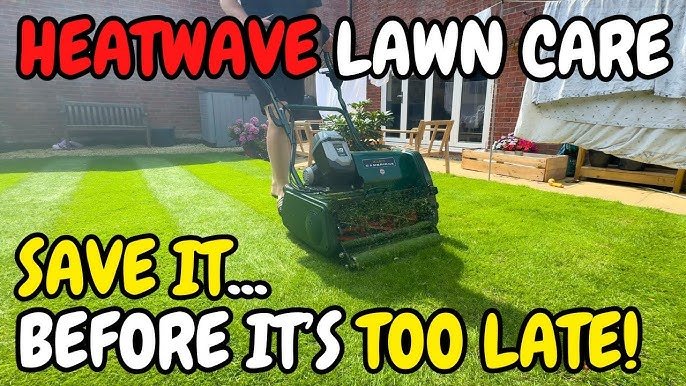
When a heatwave hits, mowing your lawn can feel like a tough and risky task. You might worry about damaging your grass or putting yourself in the scorching sun for too long.
But skipping this important chore can lead to overgrown, unhealthy grass that struggles even more in the heat. What if you could mow your lawn safely, keep your grass healthy, and protect yourself from the heat? You’ll discover simple, effective tips to mow your grass during a heatwave without stress or harm.
Keep reading to learn how to keep your lawn looking its best, even when the temperature soars.

Credit: ca.style.yahoo.com
Timing Your Mowing
Early morningis the best time to mow grass during a heatwave. The temperature is cooler and grass recovers faster. Avoid midday mowing when the sun is strongest. Late afternoon or early evening can work, but the grass may not dry before night. Wet grass can clog the mower and cause uneven cutting.
During heatwaves, mowing less oftenhelps grass stay healthy. Cutting too short stresses the grass and can cause brown patches. Raise mower blades to keep grass taller. Taller grass shades roots and holds moisture better.
- Mow once or twice a week, not more.
- Cut only one-third of the grass height at a time.
- Water the lawn early morning or late evening, not when mowing.
Adjusting Mower Settings
Set the mower blade heighthigher during a heatwave. Taller grass helps keep soil cool and moist. Cutting grass too short can stress it.
Check the blade sharpness before mowing. Dull blades tear grass, causing damage and disease. Sharp blades make clean cuts, helping grass heal faster.
- Raise blade height to 3-4 inches for better protection.
- Sharpen blades regularly to avoid ragged cuts.
- Keep mower clean and well-maintained to improve performance.
Hydration Strategies
Water the grass deeply before mowing to keep it healthy. This helps the grass stay strong during the heat. Avoid watering just a little; it dries out fast. Early morning is the best time to water. This gives the soil time to soak up moisture.
After mowing, water the lawn again but lightly. This helps the grass recover from cutting. Too much water can harm the grass roots. Check the soil moisture often to know when to water next.
| Time | Action | Reason |
|---|---|---|
| Before Mowing | Deep Watering | Keeps grass strong and moist |
| After Mowing | Light Watering | Helps grass recover without drowning roots |

Credit: www.yahoo.com
Grass Type Considerations
Different grass types react to heat differently. Some need higher mowing heights to stay healthy. Adjust mower settings to protect your lawn during a heatwave.
Warm-season Grasses
Warm-season grasses love the sun. They thrive in hot climates. Examples include Bermuda, Zoysia, and St. Augustine. These grasses are tough and hardy. They grow best in summer months. Mow them at the right height. This keeps them healthy and strong. Avoid cutting too short. It can damage the grass. Keep them slightly taller in a heatwave. This helps them stay cool and green.
Cool-season Grasses
Cool-season grasses prefer cooler weather. They include Fescue, Ryegrass, and Bluegrass. These grasses struggle in high heat. Mow them carefully during a heatwave. Keep them a bit taller. Taller grass shades the soil. It helps retain moisture. Water them in early morning. This keeps them hydrated throughout the day. Avoid mowing during the hottest hours. It stresses the grass.
Protecting Lawn Health
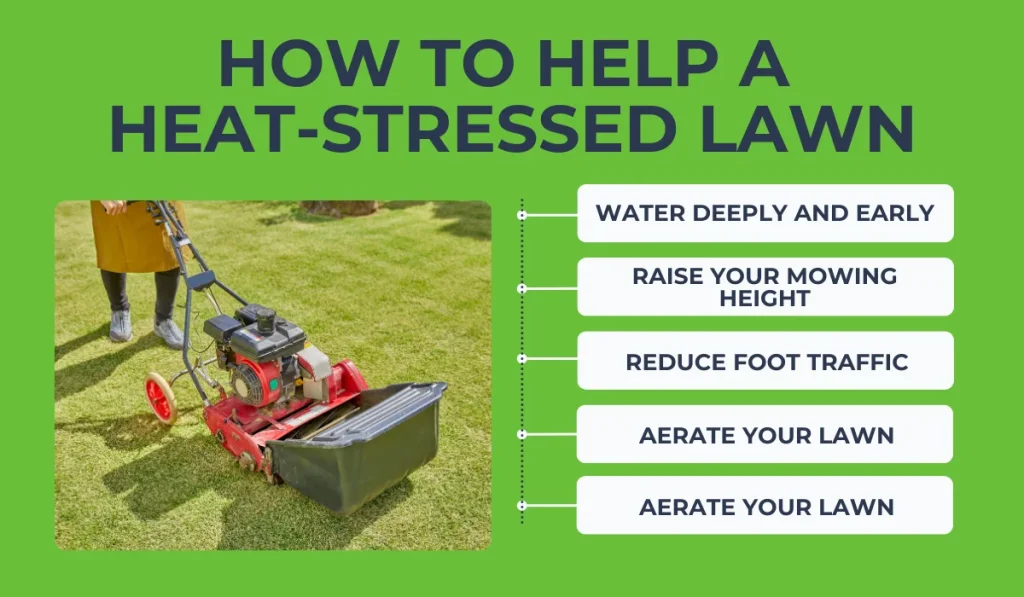
Avoid cutting grass too shortduring a heatwave. Scalping can harm the lawn by exposing roots to harsh sun. Set the mower blade higher to keep more leaf surface.
Grass loses water faster under heat stress. Longer blades help shade the soil and keep moisture in. This reduces the chance of dry, brown patches.
Cutting grass when it is hot can cause damage. Mow early in the morning or late in the evening when it is cooler. This helps grass recover faster.
Water the lawn deeply but less often to encourage strong roots. Avoid watering during midday to reduce evaporation.
- Keep mower blades sharp to make clean cuts
- Do not remove more than one-third of grass height at once
- Leave grass clippings on the lawn to add nutrients
Credit: sodlawn.com
Alternative Lawn Care Tips
Mulching helps keep soil cool and moist during hot days. It reduces water loss and protects grass roots. Mulch also adds nutrients back to the soil as it breaks down. Use grass clippings or leaves as natural mulch. Spread them evenly to cover the lawn but avoid thick layers that block air.
Using lawn treatments can support grass health in the heat. Choose products designed for drought or heat stress. Fertilizers with slow-release formulas feed grass slowly and steadily. Apply treatments early in the morning or late in the evening when temperatures are cooler. Avoid heavy chemicals that can burn grass under strong sun.
Frequently Asked Questions
When Is The Best Time To Mow Grass In A Heatwave?
The best time to mow grass during a heatwave is early morning or late evening. Temperatures are cooler, reducing stress on the grass. Avoid midday heat to prevent damage and dehydration. Mowing during cooler hours helps maintain lawn health effectively.
How High Should I Cut Grass In Extreme Heat?
During extreme heat, set your mower blade higher than usual. Taller grass blades provide shade to roots, retaining moisture. A height of 3 to 4 inches is ideal. This practice helps protect grass from heat stress and promotes deeper root growth.
Should I Water Grass Before Or After Mowing In Heat?
Water your grass lightly before mowing during a heatwave. Moist soil softens grass, making mowing easier and less stressful. After mowing, water again to help grass recover. This two-step watering keeps grass hydrated and resilient against heat damage.
Can Mowing Grass Damage It During A Heatwave?
Yes, mowing grass too short or at the wrong time can damage it. Heat stress weakens grass, so improper mowing worsens damage. Always mow higher and during cooler parts of the day. Proper mowing helps grass survive and thrive in hot weather.
Conclusion
Mowing grass during a heatwave needs care and patience. Choose cooler times, like early morning or late evening. Keep mower blades sharp for clean cuts. Avoid cutting grass too short to protect roots. Water your lawn deeply after mowing to help recovery.
Watch your grass for signs of stress or damage. Small steps make your lawn healthy and strong. With simple actions, your grass can survive the heat. Stay mindful and enjoy a green yard even in hot weather.