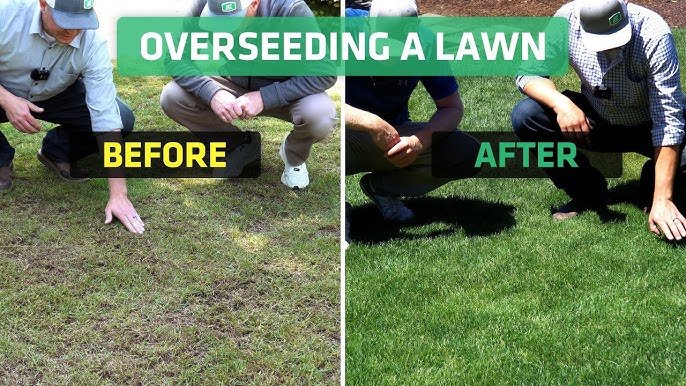
You’ve just overseeded your lawn, and now you’re wondering how to mow grass without damaging those tiny new shoots. Mowing too soon or too aggressively can wipe out all your hard work.
But waiting too long might let weeds take over or make your lawn look messy. So, what’s the right way to mow after overseeding? You’ll discover simple, practical steps to keep your grass healthy and growing strong. Stick with me, and you’ll learn how to protect your new grass while keeping your lawn neat and green.
Let’s get started!
Preparing For Mowing
Wait until grass seeds have germinatedbefore mowing. This usually takes about 2 to 3 weeks. Check the lawn for tiny green shoots. They should be at least 2 to 3 inches tall before the first cut.
Set your mower blade to a higher setting than usual. This prevents cutting young grass too short. Cutting too low can damage new seedlings and slow growth.
- Check seed germination by looking for small green shoots.
- Wait until grass reaches 2 to 3 inches tall.
- Adjust mower height to the highest setting for the first mow.
- Cut slowly and gently to avoid pulling out seedlings.

Credit: www.reddit.com
Mowing Techniques After Overseeding
Using sharp bladeshelps cut grass cleanly without damaging new seedlings. Dull blades can tear grass and slow growth.
Mowing frequencyshould be light and careful. Start mowing once grass reaches about 3 inches tall. Mow every 7 to 10 days to avoid stressing new grass.
Avoid scalpingby never cutting grass too short. Keep mower height high, around 3 inches or more. Cutting too low can hurt grass roots and stop growth.
Lawn Care Tips Post-mowing
Water the lawn lightly after mowing to keep the soil moist. Avoid soaking the grass to prevent seed washout. Frequent watering helps new grass roots grow strong. Early morning is the best time to water, reducing evaporation.
Use a balanced fertilizer to support new grass growth. Choose one with nitrogen, phosphorus, and potassium for healthy roots and blades. Apply fertilizer carefully to avoid burning young grass. Follow the product’s instructions for the best results.
- Limit foot traffic on the lawn to avoid damaging new grass.
- Use pathways or stepping stones to protect seedlings.
- Avoid heavy equipment or pets on the grass until it is strong.
- Encourage family members to stay off the lawn during early growth.

Credit: getlawnbright.com
Common Mistakes To Avoid
Mowing grass too soon after overseeding can harm new seeds. Give new grass time to grow strong. Wait until the grass reaches three inches tall. This helps the roots get strong and healthy.
Cutting grass too short stresses the lawn. Keep the grass at least three inches tall. Taller grass shades the soil and keeps it moist. Short grass can dry out and weaken the lawn.
Always check your lawn for signs of stress. Brown patches or thin grass need attention. Water your lawn regularly and keep it clean. Healthy grass fights weeds and grows well.
Tools And Equipment Recommendations
Choosing the right mower is key for new grass care. A lawn mower with adjustable heighthelps avoid cutting too low and harming young grass. A mulching mowerreturns clippings to the soil, feeding your lawn naturally.
Keep mower blades sharp. Dull blades tear grass, causing stress and disease risk. Clean blades after each use to remove dirt and sap build-up. Check blade balance often to reduce vibration and wear.
- Rake: Removes dead grass and helps air reach soil.
- Hose with a spray nozzle: Gently waters without washing seeds away.
- Lawn roller: Ensures good seed-to-soil contact after overseeding.
- Spreader: Evenly distributes seeds and fertilizer.

Credit: au.mowrator.com
Frequently Asked Questions
How Soon Can I Mow After Overseeding Grass?
You should wait 21 to 30 days after overseeding before mowing. Ensure new grass reaches 3 inches tall to avoid damage. Mowing too early can uproot seedlings and hinder growth.
What Mowing Height Is Best After Overseeding?
Set your mower blade to 3 inches or higher after overseeding. This height protects young grass and promotes strong root development. Avoid cutting more than one-third of the grass blade at once.
Should I Change Mowing Frequency After Overseeding?
Yes, mow less frequently initially to allow seedlings to establish. Gradually increase mowing frequency as the grass thickens. This helps maintain lawn health and encourages dense growth.
Can I Use A Regular Mower After Overseeding?
Yes, but ensure mower blades are sharp to avoid pulling new grass. Use a high mower deck setting to prevent cutting seedlings too short. Regular mowing techniques apply once grass is established.
Conclusion
Mowing grass after overseeding needs care and patience. Wait until new grass grows tall enough before cutting. Use a sharp mower blade to avoid damage. Cut only a small part of the grass at a time. Regular mowing helps grass grow thick and healthy.
Keep the mower height higher than usual at first. Water the lawn well after mowing to support growth. Follow these simple steps for a green, lush lawn. Your grass will thank you with strong, even growth.