If you want a healthy, green lawn without wasting water, mowing drought tolerant grass the right way is key. You might think mowing is simple, but how and when you cut your grass can make all the difference, especially when water is scarce.
In this guide, you’ll discover easy tips to keep your lawn looking great while saving water and effort. Keep reading to learn how to make your grass thrive even during dry times.

Credit: www.lyngsogarden.com
Choosing Drought Tolerant Grass
Choosing the right grassis key for dry areas. Some types use less water and stay green longer. These grasses survive heat and drought well. They need less care and save water.
Best grass types for dry climatesinclude Bermuda, Buffalo, Zoysia, and Fescue. Bermuda grass grows fast and tolerates heat. Buffalo grass needs very little water. Zoysia is thick and soft. Fescue works well in cooler dry spots.
| Grass Type | Water Needs | Heat Tolerance | Maintenance |
|---|---|---|---|
| Bermuda | Low | High | Moderate |
| Buffalo | Very Low | Medium | Low |
| Zoysia | Low | High | Low |
| Fescue | Medium | Medium | Moderate |
- Prepare soil by removing weeds and rocks.
- Loosen soil for better root growth.
- Add compost or organic matter to improve soil health.
- Check soil pH and adjust if needed.
Seedingis cheaper and offers more grass types. It takes longer to grow and needs more care early on.
Soddinggives instant lawn but costs more. It is good for quick coverage and erosion control.
Optimal Mowing Practices
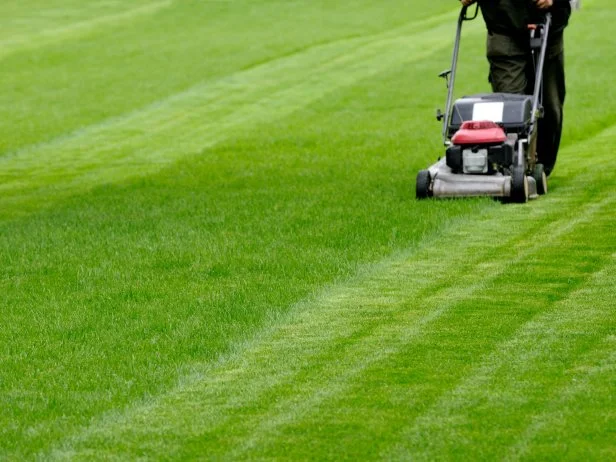
Ideal mowing heighthelps grass stay healthy during dry times. Keep the grass blades longer, about 3 to 4 inches. Longer blades shade the soil, which saves water and cools roots. Cutting grass too short can stress it and cause damage.
Mowing frequency during droughtshould be less often. Grass grows slower when dry, so mow only when needed. This helps the grass keep its energy and moisture. Avoid cutting more than one-third of the grass height at once.
Using sharp bladesis very important. Sharp blades cut cleanly and do not tear the grass. Torn grass can get sick or lose water faster. Check mower blades before each use and sharpen if needed.
Water Management Strategies
Water your drought tolerant grassearly in the morning. This reduces water loss from evaporation. Evening watering can cause disease by leaving grass wet overnight.
Use efficient irrigation methodslike drip systems or soaker hoses. These deliver water directly to the roots. Avoid sprinklers that waste water through mist or runoff.
Signs of overwatering include:
- Soft, muddy soil
- Yellowing or wilting grass
- Fungal growth or mold
Check the soil moisture before watering again. Grass needs less water in cooler weather. Water deeply but less often to encourage deep roots.
Credit: www.hgtv.com
Fertilizing For Drought Resilience
Pick a fertilizer low in nitrogen. Nitrogen makes grass grow too fast. Fast growth needs more water. Look for fertilizers with potassium. Potassium helps roots stay strong. Strong roots find water deep in the ground. Check labels for these nutrients.
Fertilize in early spring or late fall. Grass needs nutrients during these times. Avoid the hottest months. Heat makes grass weak. Fertilizing in cooler weather helps grass grow better. Grass becomes stronger and more drought-tolerant.
Too much fertilizer can harm grass. It may burn the roots. Overfertilized grass needs more water. Use the recommended amount only. Follow instructions on the package. Spread the fertilizer evenly. Uneven spreading can cause problems. Remember, less is often more.
Lawn Maintenance Tips
Aerationhelps soil breathe and allows water to reach roots better. It reduces soil compaction, making grass stronger and healthier. Aerate your lawn once or twice a year, especially in spring or fall. This simple step can improve grass growthand help it survive dry spells.
Weeds take water and nutrients from grass. Pull them out early to stop spread. Use a weed control productsafe for drought tolerant grass. Mulch around grass to prevent weed growth. Keep mowing regularly to keep weeds small and weak.
Lawn stress happens during drought or heat. Water grass deeply but less often to encourage deep roots. Avoid cutting grass too short; leave blades longer for shade. Watch for signs like brown patches or wilting. Act fast by watering or aerating to help grass recover.

Credit: www.lawnmasters.co.nz
Frequently Asked Questions
How Often Should I Mow Drought Tolerant Grass?
Mow drought tolerant grass every 7 to 14 days during the growing season. Avoid cutting more than one-third of the grass height at once to prevent stress. Adjust mowing frequency based on rainfall and growth rate to maintain healthy turf.
What Is The Ideal Mowing Height For Drought Tolerant Grass?
Keep drought tolerant grass at 2. 5 to 3. 5 inches tall. Taller grass blades shade the soil, reducing water evaporation and promoting deeper roots. Avoid mowing too short, as it stresses grass and increases drought vulnerability.
Should I Mow Drought Tolerant Grass When Dry?
It is best to mow drought tolerant grass when the soil and grass are dry. Wet mowing can cause clumping and uneven cuts. Dry mowing reduces damage to grass blades and helps maintain a clean, healthy lawn.
Can Mowing Help Grass Survive Drought Conditions?
Yes, proper mowing helps drought tolerant grass survive. Keeping grass at the right height conserves moisture and encourages deeper roots. Avoid scalp mowing, which weakens grass and increases water loss.
Conclusion
Mowing drought tolerant grass needs care and attention. Cut the grass at the right height for best health. Avoid cutting too short to keep roots strong. Water the lawn only when needed, not too much. Use a sharp mower blade for clean cuts every time.
Regular mowing helps grass grow thick and stay green. This saves water and keeps your lawn looking good. Follow these tips for a healthy, drought friendly yard. Your grass will thank you with lasting strength and beauty.