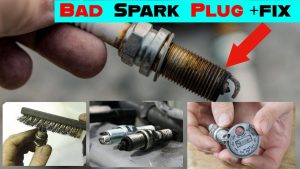
Are you sure your spark plugs are working at their best? The secret to a smooth-running engine often lies in one simple detail: the spark plug gap.
If this tiny space isn’t just right, your car can lose power, burn more fuel, or even stall. But don’t worry—measuring the spark plug gap is easier than you think. You’ll learn exactly how to check and adjust the gap quickly and correctly, saving you time and money on repairs.
Keep reading to make sure your engine fires up perfectly every time.

Credit: www.walmart.com
Spark Plug Gap Basics
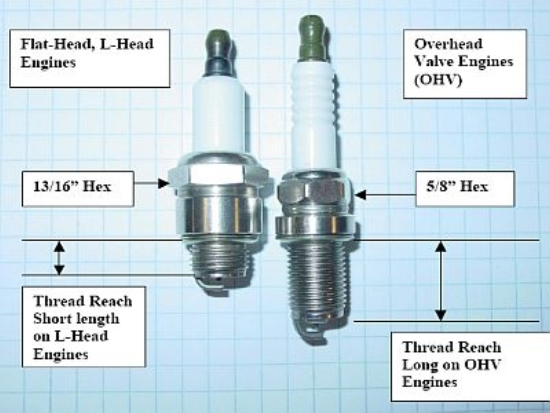
Understanding the basics of spark plug gap helps keep your engine running smoothly. The gap is the small space between the center and ground electrode. This tiny space controls the spark that ignites the fuel-air mix inside the engine. A correct gap size ensures the spark is strong enough for proper combustion. A wrong gap can cause engine misfires or poor fuel efficiency.
Why Gap Size Matters
The spark plug gap affects how well the engine starts and runs. Too wide a gap makes the spark weak and hard to jump across. This can cause rough idling or even engine stalling. Too narrow a gap results in a weak spark that may not ignite fuel properly. This leads to lower power and higher fuel consumption. Correct gap size ensures better fuel burning and less pollution.
Tools You’ll Need
Measuring the spark plug gap requires simple tools. The most common ones include:
- Feeler gauge – thin metal strips of different thicknesses
- Gap gauge tool – a wire or blade designed for spark plugs
- Caliper – for precise measurement if available
These tools help you check and adjust the gap accurately. Using the right tool keeps your spark plug working at its best.
Preparing For Measurement
Preparing to measure the spark plug gap is important for an accurate reading. Cleanliness and correct specifications ensure your engine runs well. Taking time to prepare helps avoid mistakes and costly repairs.
Cleaning The Spark Plug
Remove dirt and carbon deposits from the spark plug surface. Use a soft wire brush or spark plug cleaner tool. Avoid damaging the electrode or ceramic parts. Clean spark plugs give precise gap measurements. Wipe the plug with a dry cloth after brushing.
Choosing The Right Gap Specification
Check the vehicle manual or service guide for the correct gap size. Different engines need different gap widths for best performance. Use a feeler gauge or gap tool that matches the specification. Setting the wrong gap can cause misfires or poor fuel economy. Confirm the gap size before adjusting the spark plug.
Measuring The Gap
Measuring the spark plug gap is essential for engine performance. The gap affects how the spark ignites the fuel-air mix. A correct gap ensures smooth starts and efficient fuel burning. Measuring the gap requires simple tools and careful checking.
Using A Gap Gauge
A gap gauge is a thin metal or plastic tool. It slides between the spark plug’s electrodes to measure the space. The gauge has different thicknesses marked on it. Choose the thickness that matches the recommended gap for your engine.
- Insert the gauge gently between the electrodes.
- Feel the resistance as you move the gauge.
- If the gauge slides too easily, the gap is too wide.
- If it doesn’t fit, the gap is too small.
Adjust the gap by bending the ground electrode carefully. Always check again with the gauge after adjusting.
Alternative Measuring Tools
Other tools also measure spark plug gaps effectively. Feeler gauges are thin metal strips with precise thicknesses. They provide an accurate measurement for various gap sizes.
- Select the correct thickness strip from the set.
- Slide it between the electrodes to test the gap.
- Use multiple strips if the gap falls between two sizes.
Some mechanics use a wire gauge or a coin gauge. These tools work but may not be as precise. Digital gap tools are available for easy reading. They show the exact gap size on a small screen.

Credit: www.amazon.com
Adjusting The Gap
Adjusting the spark plug gap is crucial for your engine’s performance and fuel efficiency. A gap that is too wide or too narrow can cause misfires or poor combustion. Knowing how to adjust the gap correctly ensures your engine runs smoothly and lasts longer.
How To Widen The Gap
To widen the gap, you need a spark plug gap tool or a feeler gauge. Gently insert the tool between the electrodes and carefully bend the ground electrode outward. Take your time—too much force can damage the electrode or change the shape, affecting performance.
Check the gap frequently as you widen it to avoid overshooting the desired measurement. If you don’t have a gap tool, a small flathead screwdriver can work in a pinch, but be very gentle. Have you ever noticed your engine sputtering after a rough adjustment? That’s why precision matters.
How To Narrow The Gap
Narrowing the gap requires bending the ground electrode back toward the center electrode. Use the flat part of a spark plug gap tool or a small pair of pliers with a soft cloth to prevent scratching. Apply light pressure and check the gap often to avoid making it too tight.
A narrow gap can cause weak sparks, so don’t rush this step. Adjusting the gap by feel might be tempting, but measuring with a gauge is the only way to ensure accuracy. Have you ever tried starting a car with a poorly gapped plug? It’s frustrating, but fixing the gap can solve that problem fast.
Tips For Accurate Gap Setting
Setting the spark plug gap correctly ensures your engine runs smoothly. Accurate gap measurement improves fuel efficiency and prevents misfires. Small errors in gap size can cause big problems. Use proper tools and techniques to get the best results.
Avoiding Common Mistakes
- Do not force the gap tool between electrodes. It can change the gap size.
- Always use a feeler gauge or a gap tool made for spark plugs.
- Check the gap several times to confirm accuracy.
- Never use worn or damaged tools for measurement.
- Clean the spark plug before measuring the gap.
- Avoid touching the electrode with your fingers to prevent dirt buildup.
- Do not bend the electrode too much; it can weaken or break it.
When To Replace The Spark Plug
Replace spark plugs if the gap is too wide or too narrow. Excessive wear or corrosion affects the gap size. Check plugs after 30,000 miles or as per your vehicle’s manual. Signs like rough idling or poor fuel economy suggest replacement.
Cracked insulators or burnt electrodes also require new plugs. Use new spark plugs for best engine performance and longevity.
Impact Of Proper Gap On Engine
The spark plug gap plays a crucial role in engine function. It determines how well the spark ignites the air-fuel mixture inside the engine. A gap that is too wide or too narrow affects combustion quality. This imbalance can cause poor engine response and higher emissions. Maintaining the correct spark plug gap helps the engine run smoothly and efficiently. It supports better fuel use and power output.
Fuel Efficiency Benefits
A proper spark plug gap ensures complete fuel burning. This reduces wasted fuel and improves miles per gallon. Engines with the right gap need less fuel to generate power. It also lowers carbon deposits that reduce engine efficiency. Consistent sparks at the right gap keep combustion steady. This steady burn uses fuel more wisely and cuts costs.
Improved Engine Performance
The correct gap produces a strong, consistent spark. This leads to smoother starts and quicker acceleration. It prevents engine misfires that cause rough running. Balanced combustion also reduces engine knocking and vibrations. A well-gapped spark plug improves throttle response and power delivery. It helps the engine maintain optimal performance under all conditions.
Credit: www.vanguardpower.com
Frequently Asked Questions
What Is The Ideal Spark Plug Gap Size?
The ideal gap size depends on your vehicle’s specifications. Check your owner’s manual for exact measurements. Proper gaps ensure efficient combustion and engine performance.
How To Measure Spark Plug Gap Accurately?
Use a feeler gauge or gap tool to measure the gap. Insert the tool between the electrodes gently until it fits snugly without forcing.
Why Is Spark Plug Gap Important?
The gap affects ignition efficiency and fuel combustion. Incorrect gaps can cause misfires, poor fuel economy, and engine performance issues.
How Often Should You Check Spark Plug Gap?
Check the gap during routine maintenance or every 30,000 miles. Regular checks help maintain engine efficiency and prevent ignition problems.
Conclusion
Measuring spark plug gap is essential for engine performance. It ensures efficient combustion. Use a feeler gauge to check the gap size. Adjust it carefully if needed. Proper gap prevents engine issues. Enhances fuel efficiency. Always follow the vehicle manual for specifications.
Regular checks extend spark plug life. Keep your vehicle running smoothly. A well-gapped spark plug makes a difference. Simplicity matters. Basic tools and steps can save time and money. Ensuring the right spark plug gap is crucial. Your engine will thank you.