Are you ready to boost your vehicle’s performance effortlessly? Imagine hitting the road with a car that runs smoothly and efficiently.
One small but crucial component to ensure this is the spark plug gap. If you’re wondering how to measure a spark plug gap accurately, you’re in the right place. This little-known secret can make a big difference in your car’s overall health.
By getting it right, you can improve fuel efficiency, reduce emissions, and enjoy a smoother ride. Stay with us as we guide you step-by-step through the process, ensuring you have the confidence to do it yourself. Let’s unlock the potential of your engine together!

Credit: www.amazon.ca
Spark Plug Gap Basics
Spark plug gap basics are essential for engine performance. The gap is the space between the center and side electrodes of a spark plug. This tiny gap affects how well the spark ignites the fuel and air mixture inside the engine. Proper gap size helps the engine run smoothly and efficiently.
Measuring and adjusting the spark plug gap is a simple task. It ensures the spark plug works at its best. A gap that is too small or too large can cause engine problems. Knowing the basics helps keep your vehicle in good shape.
Why Gap Size Matters
The gap size controls the strength and reach of the spark. A perfect gap produces a strong spark that lights the fuel quickly. If the gap is too narrow, the spark may be weak. This can cause misfires and poor fuel economy. A gap that is too wide makes the spark harder to jump. This can lead to starting issues and rough idling.
Correct gap size improves engine power and reduces emissions. It also helps the spark plug last longer by avoiding extra wear.
Common Gap Measurements
Spark plug gap sizes vary by engine type and manufacturer. Most passenger cars use gaps between 0.028 and 0.060 inches (0.7 to 1.5 mm). Small engines, like lawnmowers, usually have smaller gaps. High-performance engines may require wider gaps.
| Engine Type | Typical Gap Size (inches) | Typical Gap Size (mm) |
|---|---|---|
| Passenger Cars | 0.028 – 0.060 | 0.7 – 1.5 |
| Small Engines | 0.020 – 0.040 | 0.5 – 1.0 |
| High-Performance Engines | 0.040 – 0.060 | 1.0 – 1.5 |
Always check your vehicle’s manual for the exact spark plug gap. Proper measurement helps avoid damage and maintains engine health.

Credit: www.youtube.com
Tools Needed For Measuring
Measuring a spark plug gap accurately requires the right tools. Using the proper equipment ensures your engine runs smoothly and efficiently. Without the right tools, you might end up with incorrect gaps that lead to misfires or poor performance.
Feeler Gauges
Feeler gauges are thin metal strips of varying thicknesses. They slide between the spark plug electrodes to check the gap size. If the gauge fits snugly without forcing, you have the correct gap.
These gauges are precise and widely used by professionals and hobbyists alike. You can find them in most automotive toolkits. Have you ever tried adjusting a spark plug gap without one? It’s nearly impossible to get it right.
Gap Gauges
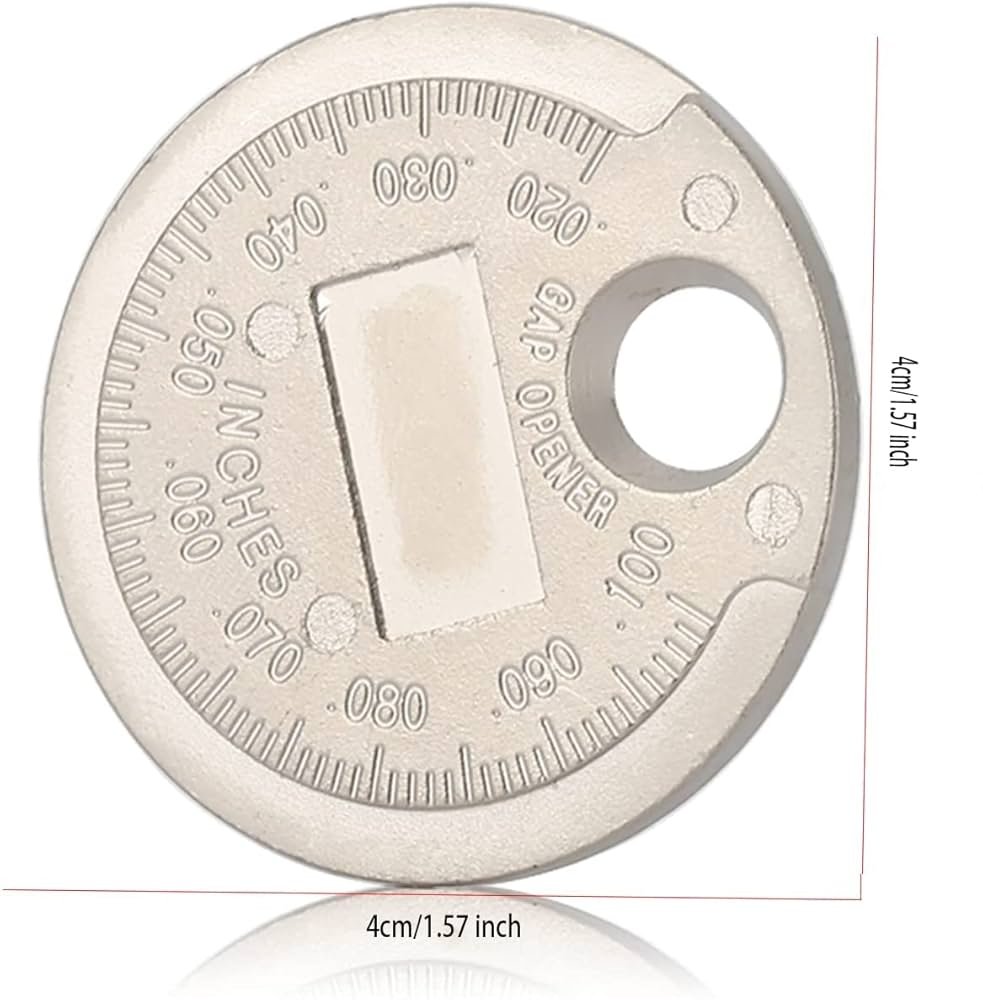
Gap gauges come in different shapes, like wire or coin types. Wire gauges are flexible and easy to use, especially for tight spaces. Coin gauges are flat and simple, showing the gap size directly on the tool.
They’re less precise than feeler gauges but faster for quick checks. If you need to measure multiple spark plugs quickly, a gap gauge might be your best bet. Would you prefer speed or accuracy when tuning your engine?
Alternative Tools
If you don’t have specialized gauges, some household items can help as temporary alternatives. For example, a thin piece of paper or a business card can give a rough idea of the gap size. However, these methods lack precision and should not replace proper tools.
Some mechanics use digital calipers for a more exact measurement, especially in high-performance engines. Investing in digital tools can save you time and improve your tuning accuracy. How much do you value precision when working on your vehicle?
Preparing The Spark Plug
Preparing the spark plug properly is essential before you measure the gap. This step ensures accuracy and helps prevent engine problems caused by incorrect spark plug gaps. Taking a few moments to clean and inspect the plug can save you from costly repairs later.
Cleaning The Plug
Start by removing any dirt, grease, or carbon buildup on the spark plug. Use a wire brush or a spark plug cleaner to gently scrub the metal parts. Avoid using harsh chemicals that might damage the ceramic insulator.
Cleaning the plug allows you to see the electrode clearly and measure the gap accurately. Have you ever tried measuring a dirty spark plug and ended up with inconsistent results? Clean plugs make the process straightforward and reliable.
Inspecting For Damage
After cleaning, closely examine the spark plug for cracks, chips, or worn electrodes. Look for signs of corrosion or burnt areas that can affect performance. If you spot any damage, it’s better to replace the spark plug than to try adjusting a faulty one.
Damaged plugs can cause misfires or reduce fuel efficiency. Remember, a clean but damaged plug is just as problematic as a dirty one. Take a moment to ensure your spark plug is in good condition before moving forward.
Credit: www.vanguardpower.com
Measuring The Gap
Measuring the spark plug gap is a crucial step to ensure your engine runs smoothly and efficiently. The gap affects how the spark ignites the fuel-air mixture, impacting performance and fuel economy. Taking the time to measure and adjust the gap properly can save you from costly engine problems down the road.
Selecting The Correct Tool
Choosing the right tool to measure your spark plug gap is essential. You can use a feeler gauge, a gap tool, or a wire gauge. Each tool offers different levels of precision, but feeler gauges are widely preferred for their accuracy.
Keep in mind that cheap or worn-out tools can give you false readings. Have you ever tried measuring a gap only to find the tool bent or damaged? That’s why investing in a quality tool will save you frustration.
Checking The Gap Size
Before measuring, check your vehicle’s manual for the correct gap specification. The gap size typically ranges between 0.028 to 0.060 inches, depending on the engine. Use your chosen tool to slide between the spark plug’s electrodes gently.
If the tool fits snugly but doesn’t force apart the electrodes, you’ve found the right gap. Too tight or too loose a fit means the gap needs adjustment. This simple test can prevent misfires and rough starts.
Adjusting The Gap
If the gap is off, you can adjust it carefully using a gap tool or a small flathead screwdriver. Gently bend the ground electrode in or out to widen or narrow the gap. Avoid applying too much force; a sudden snap can damage the spark plug.
After adjusting, recheck the gap with your tool to ensure accuracy. You might need to repeat the process a couple of times to get it just right. Have you ever adjusted a gap only to find it off again? Patience is key here.
Tips For Accurate Measurement
Measuring a spark plug gap accurately can make a big difference in your engine’s performance. Small errors in measurement can cause misfires or reduce fuel efficiency. Paying attention to details and following some practical tips will help you get the gap just right every time.
Avoiding Common Mistakes
Many people rush through the measurement process and end up with incorrect gaps. One frequent mistake is using the wrong tool. Always use a proper spark plug gap gauge instead of improvised items like coins or paper.
Another pitfall is applying too much force when checking the gap. You should gently slide the gauge between the electrodes without bending or damaging them. If the gauge feels too tight or too loose, adjust the gap carefully and re-measure.
Also, don’t forget to clean the spark plug before measuring. Dirt or carbon deposits can affect the reading. A quick wipe with a clean cloth ensures you get a true measurement.
Ensuring Consistent Results
Consistency is key when measuring spark plug gaps, especially if you are working on multiple plugs. Use the same gauge each time to avoid variations in thickness. If your gauge has multiple thickness blades, verify which one matches your required gap exactly.
Measure the gap several times to confirm accuracy. If you notice different readings, recalibrate your gauge or try a different one. Consistent results help you avoid engine problems caused by uneven gaps.
Keep a small notebook or digital record of your measurements. Tracking your results over time can reveal patterns or issues that you might otherwise miss. This habit helps you improve your skills and maintain engine health.
When To Replace Spark Plugs
Knowing when to replace your spark plugs is key to keeping your engine running smoothly. Spark plugs wear out over time and can cause various performance issues if ignored. Understanding the signs and effects of worn spark plugs will help you decide the right time for a replacement.
Signs Of Wear
Look for visible damage such as cracked porcelain or heavy carbon buildup on the spark plug tip. If the gap has widened beyond the recommended size, the spark plug won’t fire properly. You might also notice your engine misfiring or having trouble starting.
Have you experienced rough idling or poor acceleration? These can be clear hints that your spark plugs are past their prime. Checking the gap and physical condition regularly can save you from unexpected breakdowns.
Impact On Performance
Worn spark plugs reduce fuel efficiency and increase emissions, which affects your vehicle’s overall performance. The engine may hesitate or stall under load because the spark isn’t strong enough to ignite the fuel-air mix efficiently. This can leave you frustrated, especially during critical moments like merging on a highway.
Replacing old spark plugs restores smooth acceleration and better throttle response. Think about how much easier your drive becomes when your engine fires perfectly every time. Regular maintenance here directly improves your driving experience and can even extend engine life.
Frequently Asked Questions
What Tools Are Needed To Measure A Spark Plug Gap?
You need a spark plug gap tool or feeler gauge to measure the gap accurately. These tools help ensure the gap matches the manufacturer’s specifications for optimal engine performance.
How Do I Check The Spark Plug Gap Correctly?
Place the gap tool between the center and ground electrode. The tool should slide in with slight resistance, indicating the correct gap size. Adjust if necessary by gently bending the ground electrode.
Why Is Spark Plug Gap Measurement Important?
Proper spark plug gap ensures efficient combustion and engine performance. Incorrect gaps can cause misfires, poor fuel economy, and engine damage. Regular checks maintain your vehicle’s reliability and smooth operation.
How Often Should I Measure My Spark Plug Gap?
Check the spark plug gap during every spark plug replacement or maintenance service. Regular inspection prevents engine issues and maintains fuel efficiency. Follow your vehicle manufacturer’s recommended service intervals for best results.
Conclusion
Measuring a spark plug gap keeps your engine running well. Use a feeler gauge for the best results. Check the gap often to avoid engine problems. Small changes can make a big difference. Keep your tools clean and handle parts carefully.
Regular checks help save money on repairs. Stay safe and follow instructions closely. Taking time to measure the gap right improves performance. Simple steps lead to better fuel efficiency. Your engine will thank you for the care.





