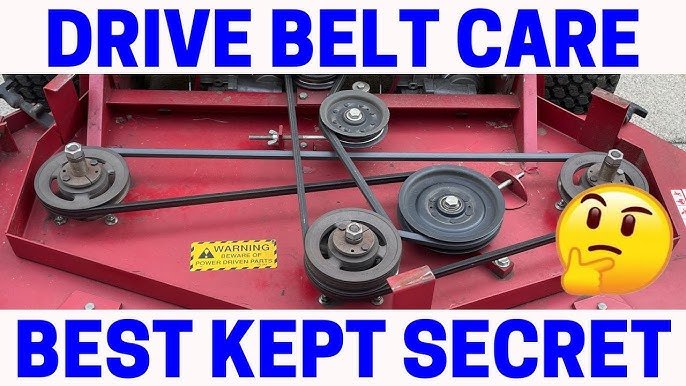
Your mower belt plays a key role in keeping your lawn looking sharp. If it wears out or breaks, your mower stops working, and your yard suffers.
But don’t worry—maintaining your mower belt is easier than you think. With a few simple steps, you can save time, avoid costly repairs, and keep your mower running smoothly all season long. Ready to learn how to take care of your mower belt like a pro?
Let’s dive in.

Credit: www.criticalhit.net
Signs Of A Worn Mower Belt
Visible cracks and frayingon the mower belt show it is worn out. Check the belt edges for tiny tears or rough spots. These signs mean the belt may soon break and stop working.
Slipping and loss of powerhappen when the belt cannot hold tight. The mower blades turn slower or stop cutting well. You might notice the engine sounds faster but the mower does less work.
Unusual noiseslike squealing or chirping come from a loose or damaged belt. These sounds warn that the belt needs attention before it breaks.

Credit: www.youtube.com
Tools Needed For Belt Maintenance
Basic hand tools are essential for mower belt maintenance. A wrenchor socket sethelps remove bolts. A screwdriveris useful for adjusting belt tension. Pliers assist in handling clips or pins. These simple tools make the job easier and faster.
Safety gear is important to protect yourself. Wear glovesto avoid cuts and scrapes. Eye protection like safety glassesguards against dirt and debris. Hearing protection is helpful when working near loud machines. Always use safety gear to stay safe during maintenance.
Step-by-step Belt Inspection
Remove the mower cover to see the belt area clearly. Use gloves to protect your hands. Clean any dirt or grass around the belt for better inspection.
Check the belt tension by pressing it with your finger. It should be firm but have a little give. Too loose or too tight belts can cause problems.
Look closely at the belt surface. Watch for cracks, frays, or worn spots. A damaged belt needs replacement to keep the mower working well.
Proper Belt Cleaning Methods
Remove dirt and debris gently from the mower belt. Use a soft brush or cloth to wipe the belt clean. Avoid using water directly on the belt to prevent damage. Dirt and grass clippings can cause the belt to slip or wear out faster.
Harsh chemicals can harm the belt material. Stay away from strong cleaners, solvents, or oils. Use mild soap and water if needed, then dry the belt completely before use. Keeping the belt clean helps it last longer and work better.
Adjusting Belt Tension
Correct belt tensionis key for mower performance. Too tight, and the belt may wear out quickly. Too loose, and it can slip or fall off.
Check tension by pressing the belt midway between pulleys. It should move about 1/2 inchto 3/4 inch. Less or more means adjustment is needed.
- Find the tension adjusterson your mower. They are usually bolts or levers near the belt.
- Loosen the bolts slightly to allow movement.
- Move the engine or the pulley to tighten or loosen the belt.
- Keep testing the belt tension as you adjust.
- Once the tension is right, firmly tighten the bolts again.
Replacing A Mower Belt
Choosing the right replacement beltis key for mower performance. Check the mower’s manual for belt size and type. Use the exact match to avoid damage. Common belts include V-belts and flat belts. Ensure the belt has the same length and width as the old one.
Removing the old beltrequires safety first. Turn off the mower and disconnect the spark plug. Release the belt tension by loosening the tensioner or idler pulley. Carefully slide the belt off the pulleys. Note the belt’s path for easier installation.
Installing the new beltinvolves following the belt path exactly. Place the belt around the pulleys, starting with the largest pulley. Adjust the tensioner to apply proper tension. Ensure the belt moves smoothly without slack or tight spots. Reconnect the spark plug and test the mower.
Preventive Measures For Belt Longevity
Regularly check and clean mower belts to prevent dirt buildup. Ensure proper tension to avoid slipping. Store mowers in dry places to protect belts from moisture damage.
Regular Maintenance Schedule
Creating a regular maintenance schedule helps keep the mower belt strong. Clean the belt after every use. Remove grass and dirt to prevent wear. Check for any cracks or damage. Replace the belt if necessary. Lubricate the belt pulleys often. This reduces friction and extends belt life. Keep a log of maintenance activities. This helps track what needs to be done next.
Proper Storage Tips
Proper storage is vital for belt longevity. Store the mower in a cool, dry place. Avoid direct sunlight, which can weaken the belt. Roll the belt loosely if removed for winter. Avoid tight bends to prevent damage. Keep the mower covered to protect from dust. Inspect the belt before storing. This ensures it’s in good condition for next use.

Credit: www.mowmore.com
Common Mistakes To Avoid
Over-tightening the beltcan cause damage to the mower. Too much tension wears out the belt quickly. It may also harm the pulleys and bearings. Check the belt tension often but keep it just tight enough to work well. Too tight means more friction and heat, which shortens belt life.
Ignoring early warning signs leads to bigger problems. Listen for squeaking or slipping sounds. Check for cracks, frays, or glazing on the belt surface. If the mower belt slips or breaks, the mower will not cut properly. Spotting problems early helps avoid costly repairs and downtime.
Frequently Asked Questions
How Often Should I Check My Mower Belt?
Regularly inspect your mower belt every 25 hours of use or once a season. Frequent checks prevent unexpected breakdowns and extend belt life.
What Are Signs Of A Worn Mower Belt?
Look for cracks, fraying, or slipping sounds. These indicate wear and may reduce mower efficiency or cause belt failure.
How Do I Properly Clean A Mower Belt?
Use a dry cloth or soft brush to remove grass and debris. Avoid water or solvents that can damage the belt material.
Can I Replace The Mower Belt Myself?
Yes, with basic tools and the mower’s manual, you can replace the belt safely. Follow instructions carefully to ensure proper installation.
Conclusion
Maintaining your mower belt keeps your lawn mower working well. Check the belt often for cracks or wear. Clean the belt and pulleys to avoid slipping. Tighten the belt just enough to keep it firm. Replace the belt if it looks damaged or old.
Doing these steps saves money on repairs later. A well-kept mower belt means a smooth mowing job every time. Simple care helps your mower last longer and work better. Keep your mower belt in good shape to enjoy easy lawn care.





