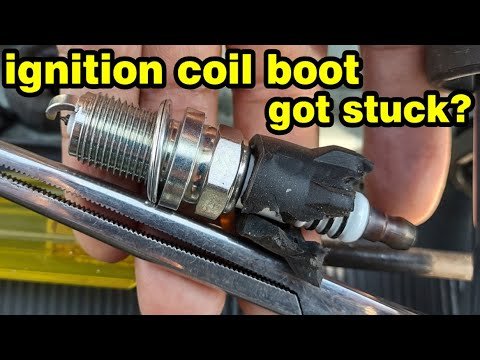
Have you ever tried to remove a spark plug, only to find it stuck fast? It can be frustrating and even a little scary if you’re worried about breaking it or damaging your engine.
But don’t worry—you’re not alone, and there are simple, effective ways to loosen that stubborn spark plug. You’ll discover easy steps and handy tips that anyone can follow to get your spark plug out safely and quickly. Keep reading, because with the right approach, you’ll save time, avoid costly repairs, and get your engine running smoothly again.

Credit: www.youtube.com
Signs Of A Stuck Spark Plug
Knowing the signs of a stuck spark plug helps prevent engine damage. Early detection saves time and effort during repairs. Watch for clear signals that your spark plug is stuck in place.
Common Causes
- Over-tightening during installation
- Corrosion from moisture or road salt
- Carbon buildup on the threads
- Using the wrong spark plug size
- Excessive engine heat causing expansion
Symptoms To Watch For
- Engine misfires or rough idling
- Difficulty starting the engine
- Reduced fuel efficiency
- Unusual noises from the engine area
- Visible damage or wear around the plug
- A spark plug that won’t budge when turning
Tools You’ll Need
To loosen a stuck spark plug, having the right tools makes the job easier and safer. Using proper tools helps avoid damage to the spark plug or engine parts. This section lists the must-have tools for removing a stuck spark plug.
Essential Hand Tools
- Spark plug socket with rubber insert to grip the plug securely
- Ratchet wrench for turning the socket smoothly
- Extension bar to reach deep spark plugs
- Breaker bar for extra leverage if the plug is very tight
- Torque wrench to tighten the spark plug correctly when reinstalling
- Wire brush to clean the spark plug threads after removal
- Gloves for hand protection during the work
Lubricants And Penetrating Oils
- Penetrating oil to loosen rust and corrosion around the spark plug
- WD-40 or similar spray to help the plug move freely
- Silicone spray for protecting threads after cleaning
Preparation Steps
Preparing properly makes loosening a stuck spark plug easier and safer. Taking time to follow key preparation steps helps avoid damage and injury. These steps focus on safety and cleaning, setting the stage for smooth work.
Safety Precautions
Wear safety gloves to protect your hands from sharp edges and hot surfaces.
Use safety goggles to shield your eyes from debris and dust.
Ensure the engine is cool before touching the spark plug to prevent burns.
Disconnect the battery to avoid accidental sparks or electrical shocks.
Cleaning The Area
Remove dirt and debris around the spark plug with a soft brush or compressed air.
Clear any oil or grease to prevent slipping and improve grip on tools.
Use a clean cloth to wipe the area, ensuring no particles fall into the cylinder.
Check the spark plug well for any visible damage before attempting to loosen it.

Credit: m.youtube.com
Quick Tips To Loosen Spark Plug
Stuck spark plugs can cause frustration during vehicle maintenance. Quick, effective tips save time and effort. These simple techniques help loosen tight spark plugs safely. Use tools and materials easily found in most toolkits or garages. Follow these steps carefully to avoid damage and ensure smooth removal.
Using Penetrating Oil
Spray penetrating oil around the spark plug base. Let it soak for 10 to 15 minutes. The oil seeps into rust and corrosion, easing the grip. Apply a little more oil if needed. Avoid over-saturating to prevent engine contamination. Use a wrench gently to test loosening after oil application.
Tapping Techniques
Lightly tap the spark plug with a small hammer or wrench handle. This action breaks rust bonds and vibrations help loosen the plug. Avoid heavy hits to prevent damage. Tap around the plug area evenly. Repeat tapping and trying to turn the plug alternately for better results.
Applying Heat
Heat expands metal parts and breaks rust seals. Use a heat gun or propane torch near the spark plug area. Heat for 1 to 2 minutes carefully without overheating surrounding parts. Let the metal cool slightly before attempting to unscrew the plug. Heat and cool cycles often make stuck plugs easier to turn.
Proper Techniques For Removal
Removing a stuck spark plug requires care and the right approach. Using proper techniques prevents damage to the plug and engine. This section explains key methods to loosen the plug safely.
Correct Tool Usage
Choose a spark plug socket that fits snugly over the plug. Use a ratchet with an extension for better reach. Avoid using pliers or incorrect tools that can break the plug.
A breaker bar can help apply steady force if the plug is very tight. Apply penetrating oil around the plug and let it sit to loosen rust or dirt. Use a torque wrench later to reinstall the plug properly.
Angle And Pressure Tips
Turn the spark plug socket slowly and steadily in the counterclockwise direction. Avoid sudden or jerky movements that might damage the threads. Keep the tool aligned straight with the plug to prevent cross-threading.
Use gentle pressure at first. Increase force gradually if the plug does not move. Stop if you feel excessive resistance and apply more penetrating oil. Let the oil soak before trying again.

Credit: www.reddit.com
What To Do If It Still Won’t Budge
If you’ve tried the usual steps to loosen a stuck spark plug and it still won’t budge, don’t lose hope. Sometimes spark plugs cling on tightly due to corrosion, dirt, or overtightening. Knowing what to do next can save you from damaging your engine or spending more than necessary on repairs.
Alternative Methods
Before calling a mechanic, you can try a few alternative approaches to free that stubborn spark plug.
- Apply penetrating oil:Spray a penetrating lubricant around the spark plug base and let it sit for 15-20 minutes. This helps break down rust and corrosion.
- Use heat:Carefully heating the area around the spark plug with a heat gun or propane torch can expand the metal and loosen the grip. Be cautious not to damage surrounding parts or wiring.
- Tap gently:Lightly tapping the spark plug with a small hammer can shake loose rust or debris binding it. Avoid heavy force that could crack the plug.
- Try a breaker bar:A longer handle on your wrench provides more leverage and control. This extra torque often helps loosen a tight spark plug without excessive force.
Have you ever been surprised by how a little heat or a drop of oil made a stuck part come free? Don’t underestimate the power of patience and the right tools here.
When To Seek Professional Help
If these methods don’t work, it’s time to think about professional assistance. Forcing the plug too hard risks stripping the threads or breaking the plug inside the cylinder head.
Professional mechanics have specialized tools like spark plug extractors and impact wrenches designed for tough situations. They also know how to handle complications, such as a broken plug or damaged threads, without causing further harm.
As frustrating as it feels, asking for help can save you time, money, and a lot of stress. Would you rather risk a costly repair by pushing too hard or get the job done right the first time?
Preventing Future Stuck Spark Plugs
Preventing stuck spark plugs saves you time, money, and frustration. Once you’ve freed a stubborn plug, it’s smart to take steps that keep them moving freely in the future. Small habits and choices make a big difference in how easily spark plugs can be removed later.
Regular Maintenance
Check your spark plugs regularly instead of waiting for problems to appear. Removing and inspecting them every 20,000 to 30,000 miles helps you spot corrosion or buildup early. This simple habit keeps the threads clean and prevents seizing.
Don’t ignore your engine’s tune-ups. A clean engine means less carbon buildup, which reduces the chance of spark plugs getting stuck. Have you ever skipped maintenance and paid for it with a stuck plug? Avoid that hassle by staying on top of your schedule.
Using Anti-seize Compounds
Applying a small amount of anti-seize compound on spark plug threads can work wonders. This grease-like substance creates a barrier that stops rust and corrosion from bonding the plug to the cylinder head. Just a thin layer is enough—too much can disrupt the plug’s heat transfer.
Be careful to use the right type of anti-seize for your spark plugs. Some plugs come with a special coating and don’t need extra compound. Check your manufacturer’s recommendations before adding anything. Have you ever wondered why some spark plugs are easier to remove than others? This might be the reason.
Frequently Asked Questions
How Can I Safely Loosen A Stuck Spark Plug?
Use a spark plug socket with a breaker bar. Apply penetrating oil and let it soak for 15-20 minutes. Turn slowly to avoid breaking the plug. Avoid using excessive force to prevent damage.
What Tools Help Remove A Stuck Spark Plug?
Essential tools include a spark plug socket, breaker bar, penetrating oil, and a ratchet wrench. A torque wrench helps when reinstalling. These tools provide grip and leverage to loosen tight spark plugs safely.
Why Does A Spark Plug Get Stuck?
Spark plugs get stuck due to corrosion, dirt, or overtightening. Moisture and heat cause rust to form, bonding the plug to the cylinder head. Regular maintenance prevents buildup and helps avoid stuck plugs.
Can Heat Help Loosen A Stuck Spark Plug?
Yes, heat can expand metal parts, loosening the spark plug. Use a heat gun or warm the engine slightly. Avoid overheating, which might damage the threads or surrounding components.
Conclusion
Loosening a stuck spark plug can feel challenging, but it’s doable. Start by gathering the right tools. Patience is key when dealing with stubborn plugs. Apply penetrating oil to break down rust. Gently tap the plug to loosen debris. Use a spark plug socket to unscrew it carefully.
Avoid forcing it to prevent damage. Regular maintenance prevents future issues. Always check your vehicle’s manual for specific guidance. With these tips, you can handle stuck spark plugs confidently. Keep your engine running smoothly and efficiently. Good luck with your automotive endeavors!