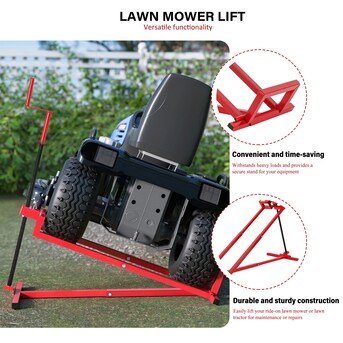
If you want your mower to last longer and work better, cleaning it regularly is a must. But before you start, knowing how to lift your mower safely is key.
Lifting your mower the right way not only protects you from injury but also makes cleaning easier and more effective. You’ll discover simple, step-by-step tips to lift your mower with confidence. Keep reading to learn how to take care of your mower like a pro and keep your lawn looking perfect all season long.
Prepare The Mower
Preparing your mower before lifting it for cleaning is crucial to ensure safety and efficiency. Taking a few simple steps can prevent accidents and make the cleaning process smoother. Let’s break down what you need to do before you even think about lifting that mower.
Gather Safety Gear
Before you touch the mower, put on the right safety gear. Gloves protect your hands from sharp blades and grime, while safety glasses shield your eyes from debris. If you have ear protection, use it, especially if you plan to run the mower shortly after cleaning.
Choose A Flat Surface
Place your mower on a flat, stable surface to avoid any unexpected slips or falls. A level driveway or concrete patio works well. Avoid slopes or uneven ground where the mower could tip over while you’re working on it.
Disconnect Spark Plug
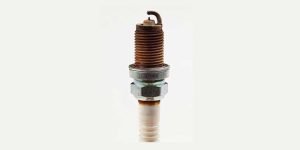
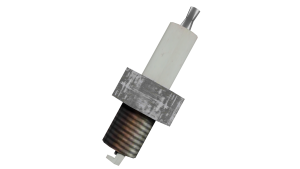
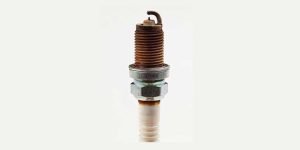
Never skip disconnecting the spark plug before lifting the mower. This simple step prevents the engine from accidentally starting. Locate the spark plug wire, pull it off gently, and keep it away from the plug to stay safe.
Credit: www.vevor.ca
Select The Right Method
Choosing the right way to lift your mower for cleaning is crucial. It affects your safety and the ease of the task. Before you start, think about the tools you have, your physical strength, and the mower’s size. Picking the best option can make the job quicker and prevent accidents.
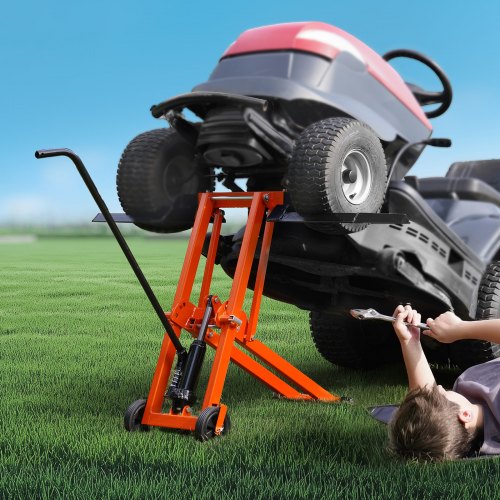
Using A Mower Lift
A mower lift is designed specifically for raising your mower safely. It holds the mower steady, giving you easy access underneath without risking a fall. These lifts often come with adjustable arms to fit different mower sizes.
If you clean your mower regularly, investing in a mower lift can save time and effort. It also reduces strain on your back since you don’t have to bend or lie on the ground. Do you have a sturdy spot in your garage to set one up?
Manual Lifting Techniques
Sometimes, you might not have special equipment. In such cases, manual lifting is an option but requires caution. Always bend your knees and keep your back straight to avoid injury.
Ask for help if your mower is heavy. You can also try tilting the mower on its side carefully to reach the blades. However, check your mower’s manual first—some models advise against this to protect the engine.
Using Ramps Or Blocks
Ramps or sturdy blocks can help you raise the mower safely and steadily. Position the mower on a flat, solid surface before driving it up the ramp. Make sure the ramps or blocks can support the mower’s weight without slipping.
This method gives you enough space to clean underneath without lifting the mower off the ground completely. Have you checked if your ramps have non-slip surfaces? It’s a simple step that can prevent accidents.
Lift The Mower Safely
Lifting your mower safely is crucial to avoid injury and ensure a smooth cleaning process. It’s not just about strength; technique plays a major role. You can protect your back and hands by following simple but effective steps each time you lift.
Positioning Your Hands
Start by placing your hands in the right spots to get a firm grip. Hold the mower’s handle and the base securely—this prevents slipping. Avoid awkward angles that strain your wrists or fingers.
Imagine trying to lift a heavy box with one hand on top and the other loosely hanging. It makes the task harder and riskier. You want your hands to work together like a team, balanced and steady.
Lifting With Your Legs
Use your legs to do the heavy lifting, not your back. Bend your knees deeply and keep your back straight before you lift. This technique uses the strongest muscles in your body and reduces strain.
If you lift with your back, you increase the chance of injury, especially if the mower is heavy or awkwardly shaped. Picture squatting down to pick up a heavy grocery bag instead of bending over—it’s the same principle here.
Securing The Mower
Once lifted, make sure the mower is stable before you start cleaning underneath. Place it on a flat surface or use a sturdy support to hold it in place. Wobbling or shifting can lead to accidents or damage.
Think about how you feel when holding something heavy but unstable—you want to avoid that stress. Securing the mower gives you confidence and keeps your hands free to clean effectively.
Clean Under The Deck
Cleaning under the mower deck is essential to keep your mower running smoothly and to avoid damage caused by built-up debris. Grass clippings and dirt can clog the deck, reducing cutting efficiency and causing uneven cuts. Taking a few moments to clean this area regularly can extend the life of your mower and improve its performance.
Removing Grass Clippings
Start by carefully lifting your mower to access the underside of the deck. Use a stiff brush or a plastic scraper to remove wet or dry grass clippings stuck to the deck. Avoid using metal tools that can scratch or damage the surface.
Have you noticed how compacted clippings can become after several uses? Clearing them prevents rust and helps air flow properly, which keeps your mower cooler during operation.
Inspecting Blades
While under the deck, take a close look at the blades. Check for signs of wear, damage, or dullness. Sharp blades make cleaner cuts and reduce strain on your mower’s engine.
If you spot nicks or bends, it’s time to sharpen or replace the blades. Running your mower with damaged blades can tear the grass instead of cutting it, harming your lawn’s health.
Using Cleaning Tools
Besides brushes and scrapers, a garden hose with a spray nozzle is a handy tool for washing out the deck. Spray water at an angle to dislodge dirt and grass residues. Just make sure the mower is off and cool before you start.
For stubborn buildup, a mild detergent mixed with water can help, but rinse thoroughly afterward. Have you tried a pressure washer? It works well but keep it at a low setting to avoid damage.
Lower The Mower Safely
Lift the mower carefully by holding the handle and the frame for balance. Ensure it is stable before starting to clean underneath. Always lower the mower slowly to avoid damage or injury.
Lowering your mower safely after cleaning is crucial. It ensures the machine remains in good condition. Proper handling also prevents accidents. Follow these steps to lower your mower correctly and safely.Controlled Descent
Lower the mower slowly. Use both hands for stability. Ensure the surface is even. Avoid jerky movements. This prevents the mower from tipping. Use a helper if needed.Final Safety Checks
Inspect the mower for loose parts. Check the blades are secure. Ensure no debris is under the mower. Confirm all cleaning tools are removed. Double-check the ground is clear. Safety first.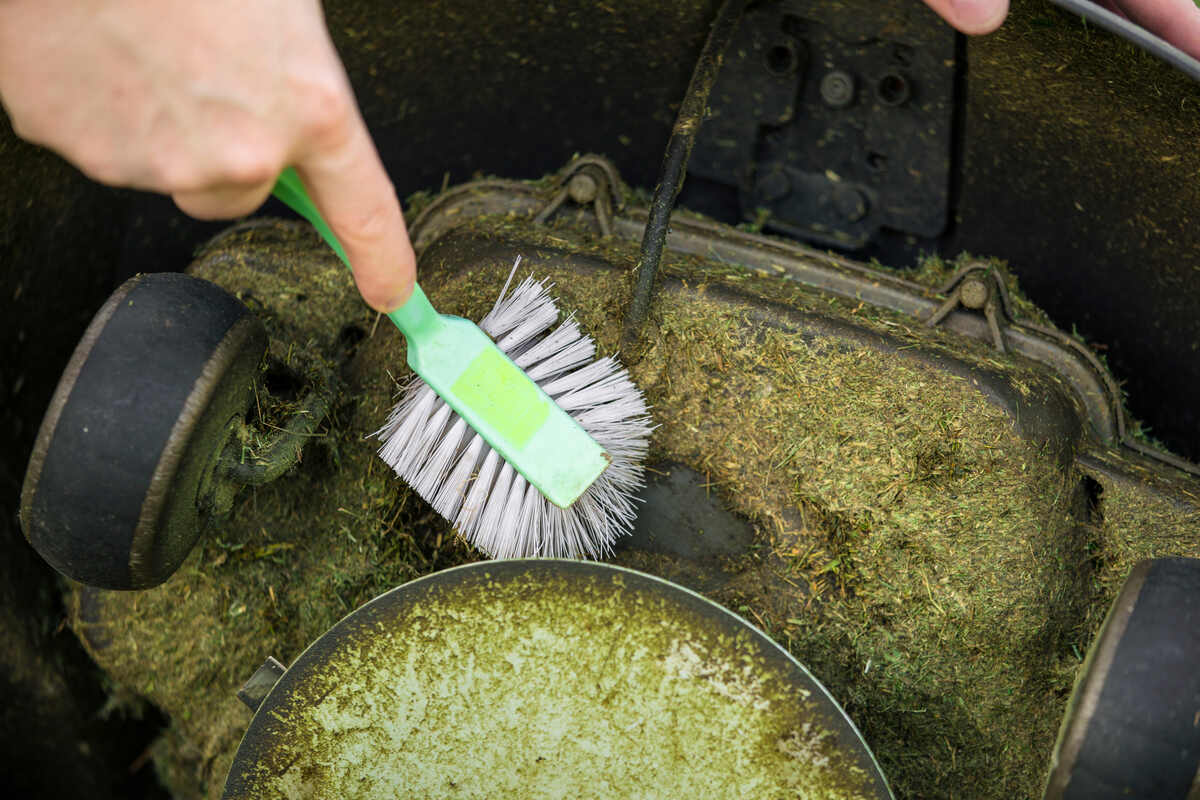
Credit: www.lawnstarter.com
Maintenance Tips
Keeping your mower in top shape is key to making cleaning easier and extending its life. Regular maintenance not only boosts performance but also prevents costly repairs down the road. Let’s dive into some straightforward tips that you can easily add to your routine.
Regular Cleaning Schedule
Set a cleaning schedule that fits how often you mow. After every few uses, remove grass clippings and dirt from underneath the deck to stop buildup. This prevents rust and keeps the mower running smoothly.
Use a hose or a brush to clear debris, but avoid soaking electrical parts. Have you noticed how much easier your mower runs after a quick clean? That’s the payoff of staying consistent.
Blade Sharpening
Dull blades tear grass instead of cutting it cleanly, which stresses your lawn and the mower. Sharpen your blades at least twice a season or more if you mow frequently. You can use a sharpening stone, file, or take it to a professional.
Always balance the blade after sharpening to avoid vibrations. When was the last time you checked your blades? A sharper blade means a healthier lawn and less effort for you.
Checking For Damage
Inspect your mower for cracks, loose bolts, or worn parts before each cleaning session. Catching small issues early can save you from bigger problems later. Pay special attention to the deck, wheels, and blade area.
If you spot rust or wear, address it immediately. Do you know what parts on your mower tend to wear out first? Keeping an eye on these can keep your mower safe and reliable.

Credit: newproxyof.com
Frequently Asked Questions
How Do You Safely Lift A Mower For Cleaning?
First, turn off the mower and disconnect the spark plug. Use the mower’s handles or lift points to raise it carefully. Ensure the mower is stable before cleaning underneath to avoid accidents or damage.
What Tools Are Needed To Lift A Mower For Cleaning?
Generally, no special tools are required. Use sturdy gloves for grip and safety. Some mowers have built-in lift handles or wheels to ease the process. Avoid using makeshift tools that can damage the mower.
How High Should You Lift The Mower For Cleaning?
Lift the mower just enough to access the cutting deck and blades comfortably. Usually, 12 to 18 inches is sufficient. Avoid lifting too high to prevent instability or tipping over.
Can I Lift An Electric Mower For Cleaning?
Yes, electric mowers can be lifted similarly. Always unplug the mower or remove the battery first. Handle the mower gently to avoid damaging electrical components during cleaning.
Conclusion
Cleaning your mower becomes safer and easier with the right lifting method. Always use sturdy tools or ramps to keep the mower stable. Take care to avoid damage to the mower or injury to yourself. Regular cleaning helps your mower work better and last longer.
Keep these simple steps in mind before each clean. A clean mower means a healthy lawn and smooth mowing experience. Stay safe and enjoy your gardening!